The information provided in this article is intended solely for general informational and educational purposes. It does not constitute medical advice, diagnosis or professional treatment, and should not be considered a substitute for consultation with a qualified doctor or other licensed healthcare professional. Any health-related decisions should be made in consultation with accredited medical professionals.
While efforts have been made to ensure the information is accurate and up to date, no guarantees are given—either express or implied—regarding its accuracy, completeness, currency or suitability. Use of this information is at your own discretion.
It is strongly recommended to consult official sources such as the NHS (National Health Service) or other recognised medical institutions before acting on any information contained on this website or article. Under no circumstances should professional medical advice be ignored or delayed due to content read here.
This content is of a general and informational nature only. It is not intended to replace individualised guidance from a healthcare professional or to establish any doctor-patient relationship. The publication of this information does not imply any professional responsibility, guarantee or obligation on the part of the author or this site.
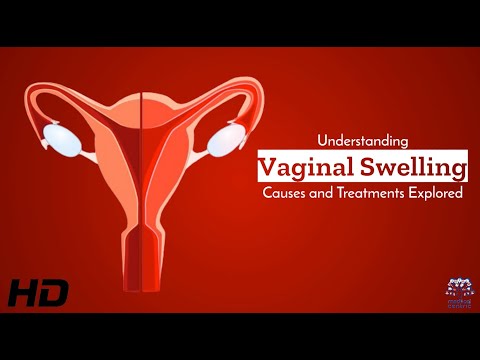
Have you ever felt a strange swelling down there and wondered if it’s normal? Look, it can be a little scary when something seems off with your body. Vaginal swelling is more common than you might think, and often, it’s nothing to worry about. But it’s still important to understand what’s going on.
This article dives into the causes of vaginal swelling, which can range from hormonal changes to infections. You know how life throws these curveballs at us? Sometimes our bodies react in unexpected ways. And that’s where knowledge comes in handy.
We’ll also touch on the best treatments that are available to help alleviate any discomfort. Knowing your options can empower you and put your mind at ease.
While this information is here to help, remember: it’s not a substitute for professional medical advice. Health decisions shouldn’t be based solely on reading online; always consult with a healthcare expert if you’re concerned about your symptoms.
Your health matters, and having reliable information is step one toward feeling better.
Understanding the Causes and When to Seek Help
Understanding Vaginal Swelling: Causes and When to Seek Help
Vaginal swelling can be a discomforting experience. It’s important to grasp the potential causes before deciding what to do. Sometimes, it’s just a minor irritation, but other times, it might signal something more serious.
Common Causes of Vaginal Swelling
There are various reasons why someone might experience vaginal swelling. Infections are often at the top of the list. For instance, yeast infections can cause itching and swelling, making it quite uncomfortable. Think of it like an itchy mosquito bite; irritating and hard to ignore.
Allergic reactions frequently contribute too. Certain soaps, detergents, or even specific fabrics can lead to irritation. Imagine trying a new laundry detergent and suddenly feeling itchy or swollen down there—frustrating, right?
Hormonal changes are another factor. Menstrual cycles or pregnancy can trigger fluctuations that sometimes lead to swelling due to increased blood flow. Kind of like how your feet might swell after a long day on them—just happening in a different part of your body!
When Should You Consider Seeking Help?
If you’re dealing with mild swelling that goes away by itself after a short while, it’s usually not alarming. However, certain signs should make you stop and think twice.
- If the swelling is accompanied by severe pain or discomfort.
- If there’s unusual discharge or odor.
- If you have fever alongside the symptoms.
- If it’s persistent or keeps coming back despite trying over-the-counter remedies.
A good rule of thumb is if you’re worried about your symptoms or they’re affecting your daily life significantly—it’s time to reach out for help.
The Importance of Talking It Out
You know? Sometimes people feel embarrassed discussing vaginal health issues, but remember that medical professionals deal with these concerns all the time. They can provide guidance without judgment.
Keeping an open line of communication with trusted health practitioners is key—not just for reassurance but also for understanding what’s normal for your body and when it’s not.
Your Health Is Valuable
Your comfort matters! Being aware of what’s going on in your body is super important. Take note of changes and never hesitate to seek help if something feels off—you deserve clarity and peace of mind.
Unraveling the Mysteries of Female Swelling: Causes and Solutions
Understanding Vaginal Swelling: A Common Concern
Vaginal swelling can be a perplexing issue for many women. It’s not something often talked about openly, but it’s more common than you might think. So, what causes this swelling, and what can be done about it?
Causes of Vaginal Swelling
There are several reasons why a woman might experience swelling in that area. Let’s break down some of the most common causes.
- Infections: Conditions like yeast infections or bacterial vaginosis are frequent culprits. They may cause irritation, leading to swelling and discomfort.
- Allergies: Sometimes, products like soaps, laundry detergents or even certain foods can trigger an allergic reaction. This can lead to inflammation and swelling.
- Surgery or injury: Any recent surgery or trauma in the vaginal area could easily lead to temporary swelling as your body heals.
- Anatomical changes: Hormonal fluctuations during menstruation or pregnancy can cause natural changes in the body, including puffiness around the vagina.
- Cysts: Fluid-filled sacs in the vaginal area known as Bartholin cysts can form and lead to noticeable swelling.
Symptoms to Watch For
If you’re dealing with vaginal swelling, look out for other symptoms that might accompany it. Redness, itching, and unusual discharge are key signs that something might be off. Don’t ignore pain either; if it’s persistent or severe, it’s a good idea to check in with someone.
Treatments and Solutions
The approach towards relieving vaginal swelling often depends on its underlying cause. Here are some common methods people consider:
- Cleansing: Gentle washing with warm water without harsh soaps can help maintain hygiene while reducing irritation.
- Avoid irritants: Steering clear from scented products is wise – those fragrances often do more harm than good.
- If infected: Over-the-counter antifungal creams may work if a yeast infection is suspected; prescription medicines exist too for bacterial infections.
- Pain relievers: Over-the-counter pain medication like ibuprofen may ease discomfort while waiting for any condition to resolve itself.
When to Seek Help
If you’ve tried some home remedies but still feel uncomfortable after a few days—or if you have other symptoms—it’s probably worth consulting someone who knows about women’s health issues. Getting checked out ensure that nothing serious is going on!
A Final Thought
The bottom line is: vaginal swelling isn’t necessarily alarming but should certainly not be ignored either. Noticing when things change is important since your body speaks volumes about your health! Always listen closely and prioritize self-care—you deserve it!
Simple Strategies for Comfort and Relief
Understanding Vaginal Swelling
Vaginal swelling can feel uncomfortable and might raise a few questions. It helps to know that this isn’t as uncommon as you might think. Many factors can cause it, ranging from hormonal changes to infections.
Hormones play a big role in our bodies. You know, during your menstrual cycle, estrogen levels fluctuate, which can lead to swelling. Think of it like a balloon being inflated and deflated—hormonal shifts do something similar in your body.
Common Causes
- Infections: Conditions like yeast infections or sexually transmitted infections often lead to swelling and discomfort.
- Allergic Reactions: Sometimes, products like soaps or lotions can irritate the vaginal area. This irritation causes swelling.
- Premenstrual Syndrome (PMS): Many people experience increased sensitivity as they approach their period, which can include puffiness around the vagina.
- Tissue Trauma: Activities like vigorous exercise or even rough sex could result in temporary swelling due to trauma.
If you’re feeling discomfort from vaginal swelling, don’t worry! There are some simple things you might try at home for some relief.
- Cooling Compress: Applying a cool cloth can soothe the area. It’s kinda like how ice helps with a bruise; coolness reduces inflammation.
- Avoid Irritants: Steer clear of harsh soaps or scented products for a while. Sensitive skin doesn’t always need extra fragrance!
- Cotton Underwear: Consider wearing breathable materials. This helps with moisture levels and reduces irritation overall.
- Mild Pain Relievers: Over-the-counter pain relievers may help ease any discomfort you’re feeling.
A Few Words of Caution
You should definitely listen to your body. If the swelling persists for more than a few days or gets worse, it could be helpful to have a chat with someone who knows health stuff better than I do. It’s always good to be cautious when it comes to our bodies!
Mental Well-Being Matters Too
The way we feel physically often affects our mental state too—stress about unexplained symptoms is completely normal! Surrounding yourself with support from friends or family may help ease those feelings of anxiety.
Remember, paying attention to changes in your body is important; self-awareness goes hand-in-hand with self-care!
If something feels off beyond just temporary discomfort, reaching out for personalized advice is key. Each person’s situation is unique; what works for one may not work for all!
Understanding Vaginal Swelling: Causes and Effective Treatments
Vaginal swelling can be an uncomfortable and sometimes alarming experience. It’s essential to recognize that there are various reasons why this might occur. Common causes include infections, allergies, hormonal changes, and even physical trauma.
Infections like yeast infections or sexually transmitted infections (STIs) often lead to noticeable swelling. These conditions may come with other symptoms such as itching or an unusual discharge. Allergies to soaps, detergents, or lubricants can also trigger inflammation in the area.
Hormonal fluctuations, particularly around menstrual cycles or during pregnancy, may cause temporary swelling too. As you might imagine, your body is constantly adjusting to these changes. Sometimes it’s just part of the natural process.
Treatments for vaginal swelling depend on the cause. For infections, antifungal or antibiotic medications might be necessary. Practicing good hygiene and wearing breathable fabrics can minimize discomfort from irritation-related swelling.
If allergies are suspected, identifying and avoiding triggers can help significantly. When it comes to hormonal issues, discussing options with a healthcare provider is key for effective management.
Understanding these aspects can empower individuals to seek appropriate care when needed while also reducing unnecessary worry about their health overall.
It’s always a good idea to consult a professional before starting any treatment plan tailored specifically for individual needs!