The information provided in this article is intended solely for general informational and educational purposes. It does not constitute medical advice, diagnosis or professional treatment, and should not be considered a substitute for consultation with a qualified doctor or other licensed healthcare professional. Any health-related decisions should be made in consultation with accredited medical professionals.
While efforts have been made to ensure the information is accurate and up to date, no guarantees are given—either express or implied—regarding its accuracy, completeness, currency or suitability. Use of this information is at your own discretion.
It is strongly recommended to consult official sources such as the NHS (National Health Service) or other recognised medical institutions before acting on any information contained on this website or article. Under no circumstances should professional medical advice be ignored or delayed due to content read here.
This content is of a general and informational nature only. It is not intended to replace individualised guidance from a healthcare professional or to establish any doctor-patient relationship. The publication of this information does not imply any professional responsibility, guarantee or obligation on the part of the author or this site.
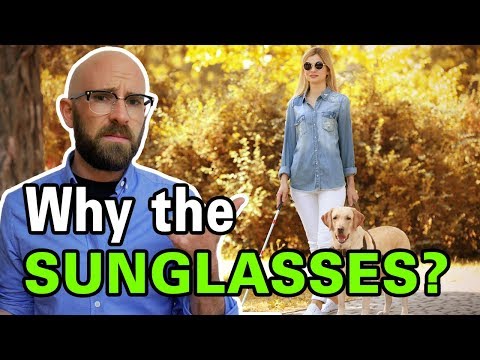
Have you ever noticed how some blind individuals wear sunglasses? It might seem a bit surprising, right? You might wonder why they would need them at all. Well, there’s actually a deeper reason behind this choice that goes beyond just fashion or appearance.
Many people think that if someone can’t see, they don’t have to worry about bright light or glare. But the reality is different. Blindness doesn’t always mean complete absence of vision. Some may still have light perception or experience discomfort from bright environments.
This article dives into why sunglasses are important for blind individuals. We’ll explore how sunglasses protect their eyes and help them navigate the world more comfortably. It’s pretty fascinating, really! And it also brings awareness to an often overlooked aspect of health.
Hey, just a quick reminder: this content is for informational purposes only and shouldn’t replace professional medical advice. Always check in with healthcare experts when making health decisions!
Unveiling the Surprising Reasons Behind a Common Sight
Understanding Why Blind Individuals Wear Sunglasses for Health
Ever noticed how some blind individuals wear sunglasses? It might seem odd at first, but there are actually important reasons behind it. Let’s break it down, shall we?
Protection from UV Rays
Even if someone can’t see, their eyes can still be affected by the sun’s harmful ultraviolet (UV) rays. These rays can lead to conditions like cataracts, which is when the lens of the eye becomes cloudy. So wearing sunglasses is just a way of keeping their eyes safe.
Reducing Light Sensitivity
Some blind people may have sensitivity to light, even if they don’t see it as you do. Imagine walking into a room that has bright lights—it can be uncomfortable, right? Sunglasses help to minimize that harsh glare and make things more comfortable.
Aiding in Social Interactions
Wearing sunglasses can also assist in social settings. Sometimes, sighted folks might feel awkward making eye contact with someone who is blind. Sunglasses serve as a barrier that makes interactions feel less intense or uncomfortable for some people.
Personal Choice and Style
Just like everyone else, blind individuals have personal tastes too! Some folks love the look of sunglasses; they can be seen as a fashion statement just like any other accessory. It’s not always about function—sometimes it’s about style.
Mental Well-being
A lot of times, wearing sunglasses gives people a sense of confidence and security. They might feel more at ease while navigating public spaces because those shades offer a layer of protection—not just for their eyes but also emotionally.
The Broader Picture
This practice highlights something important: it’s easy to jump to conclusions based on appearances alone. The reasons behind why someone wears sunglasses go beyond what meets the eye—pun intended!
- If you see someone wearing shades who appears blind, remember they could be protecting themselves from more than just the sun.
- The choices people make regarding accessories often reflect personal needs and lifestyles.
- Diverse experiences shape our understanding; so listening and learning is crucial.
The next time you see this common sight, take a moment to consider what lies beneath it; there’s always more than what meets the eye—or doesn’t!
Discover the Unique Eyewear Designed for Enhanced Vision and Style
Why Do Blind Individuals Wear Sunglasses?
Hey, you might wonder why someone who can’t see would wear sunglasses. It’s actually a pretty interesting topic! Sunglasses can serve various purposes beyond just protecting the eyes from the sun.
Protection from Light
Even though some people are blind, their eyes can still be sensitive to light. Just like how bright lights can bother anyone, it can be uncomfortable for them too. Sunglasses help block that harsh light.
Privacy and Comfort
Sunglasses provide a degree of privacy. Blind individuals often use them to prevent others from staring or making them feel uncomfortable. It’s kind of like wearing a hat or a scarf—it gives a sense of comfort in public spaces.
Style and Identity
Sunglasses are also a fashion statement! They come in many styles, allowing individuals to express themselves. Wearing cool shades might help someone feel more confident and stylish, just like anyone else.
Reducing Glare
The glare from surfaces like water or pavement can affect everyone, not just those with sight problems. Sunglasses help minimize that glare for blind people too, even if they can’t see it.
The Unique Eyewear Designed for Enhanced Vision
You might have heard about special eyewear designed for folks who have vision impairments. These aren’t your ordinary glasses; they’re made with unique features tailored to meet specific needs.
- Tinted Lenses: Some glasses come with tinted lenses that help reduce brightness and improve contrast. This can be useful even if sight is limited.
- Adaptive Technology: There are designs that incorporate tech to assist with daily tasks—like reading signs through special lenses that enhance visibility.
- Lenses for Depth Perception: For those who retain some vision, certain lenses help improve depth perception and spatial awareness.
The thing is, these innovations aim to make life easier and more enjoyable for people with visual challenges without making any claims about restoring sight or healing conditions.
Your Perspective Matters
If you’ve met someone wearing sunglasses who’s blind or visually impaired, it’s good to remember there’s depth to their choice beyond what meets the eye! Everyone deserves comfort and style in their lives—just like everyone experiences the world differently.
Unraveling the Mystery Behind Vision Accessories for the Visually Impaired
Understanding Vision Accessories for the Visually Impaired
When people think about sunglasses, they often picture sunny days and stylish looks. But for visually impaired individuals, sunglasses serve much more than that.
The first thing to realize is that many blind individuals have some level of light sensitivity. It’s like having a flashlight pointed at your eyes. Imagine how uncomfortable that would feel! Sunglasses help reduce glare and protect sensitive eyes from bright light.
Protection from UV Rays
Sunglasses are also crucial because they block harmful ultraviolet (UV) rays. These rays can cause damage to the eyes over time, leading to conditions like cataracts or even cancer around the eyes. Protecting eye health is important for everyone, but especially for those who might not see well.
Reducing Anxiety in Public Spaces
For many visually impaired people, being out in public can create anxiety. Without clear sight, navigating through crowds or bright lights can feel overwhelming. Wearing sunglasses can provide a sense of comfort and privacy, almost like a shield against the bustling world.
Aiding in Orientation and Mobility
You know how sometimes you just need a little help navigating? Some visually impaired individuals may use sunglasses as part of their orientation and mobility strategies. The right eyewear can help them better perceive changes in light which aids in recognizing their surroundings.
The Importance of Choice
It’s also essential to understand that choosing eyewear is personal. Just like with any accessory, different styles or tints work better for different folks. Some may prefer darker lenses while others might opt for lighter ones depending on comfort levels.
Misconceptions About Blindness
A common myth is that all blind people cannot see anything at all, but this isn’t true! Many have varying degrees of sight loss. That means their needs differ too – some might wear glasses while others rely solely on sunglasses for comfort.
Conclusion: More Than A Fashion Statement
Sunglasses are not just about looking cool; they’re vital tools for many visually impaired individuals to navigate their environment safely and comfortably. Understanding this helps break down barriers and promotes empathy towards their experiences.
- Sunglasses protect against UV rays.
- They ease light sensitivity issues.
- Sunglasses can boost confidence in public spaces.
- Diverse choices meet different needs among users.
The next time you see someone wearing sunglasses indoors or on a cloudy day, remember: there’s often more behind that choice than meets the eye!
When we think about people who are blind, sunglasses might not be the first thing that comes to mind. However, there’s a really important reason why many blind individuals choose to wear them. It’s not just about style; it’s about health and well-being.
First off, wearing sunglasses helps protect the eyes from harmful UV rays. Even for individuals with no vision, UV light can still potentially cause damage to the eyes or the surrounding skin. Sunglasses act as a shield against these rays.
Moreover, wearing shades can also provide comfort in bright environments. The glare from sunlight can be overwhelming, even if someone cannot see. Imagine being in a room that’s too bright for too long; it would be exhausting! For a blind person, sunglasses help create a more comfortable space.
There’s also a social aspect. When someone wears sunglasses, it can help reduce unwanted stares or questions. It adds an extra layer of privacy and can make social interactions less awkward. Think about it: when you see someone in shades, you might assume they’re just trying to look cool or are simply protecting their eyes.
Sunglasses can also provide emotional benefits. They might help individuals feel more confident when out and about—like they have some control over their environment. This sense of empowerment is crucial for anyone navigating public spaces.
In summary, the reasons behind wearing sunglasses for blind individuals are relatable and practical: eye protection, comfort from glare, social ease, and emotional support all play significant roles in this choice.