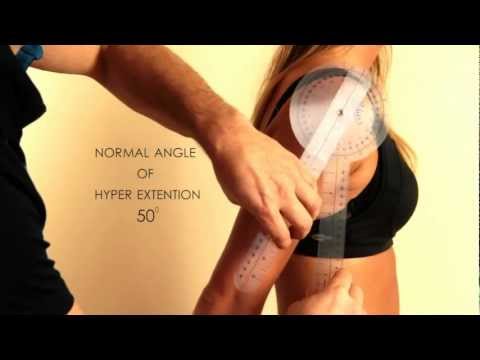
Flexibility plays a crucial role in our overall health and well-being. It allows us to move easily, reduces the risk of injury, and enhances physical performance. But how do we measure flexibility? That’s where the goniometer comes in.
Imagine a protractor you used in school, but instead of measuring angles in geometry class, it measures the range of motion in your joints. A goniometer gives us a clear picture of how flexible a person is by quantifying how far their joints can move. With this tool, therapists can assess progress, tailor exercise programs, and help individuals unlock their full potential.
However, it’s essential to approach any information about flexibility with caution. While understanding tools like the goniometer can be beneficial, it’s always wise to consult various specialists and gather knowledge from multiple sources. Everyone’s body is different; what works for one person may not work for another. So stay curious but informed—your journey to better flexibility should be based on comprehensive insights and sound advice from trusted professionals!
The information provided in this article is intended solely for general informational and educational purposes. It does not constitute medical advice, diagnosis or professional treatment, and should not be considered a substitute for consultation with a qualified doctor or other licensed healthcare professional. Any health-related decisions should be made in consultation with accredited medical professionals.
While efforts have been made to ensure the information is accurate and up to date, no guarantees are given—either express or implied—regarding its accuracy, completeness, currency or suitability. Use of this information is at your own discretion.
It is strongly recommended to consult official sources such as the NHS (National Health Service) or other recognised medical institutions before acting on any information contained on this website or article. Under no circumstances should professional medical advice be ignored or delayed due to content read here.
This content is of a general and informational nature only. It is not intended to replace individualised guidance from a healthcare professional or to establish any doctor-patient relationship. The publication of this information does not imply any professional responsibility, guarantee or obligation on the part of the author or this site.
Unlocking Your Body’s Range: The Science Behind Goniometer Measurements
Understanding flexibility is essential for overall mobility and physical health. One tool that helps in measuring this is the **goniometer**.
A goniometer is a device used to measure the angle of joints. Think of it as a protractor for your body. Just like how a protractor can help you understand angles in geometry, a goniometer provides insight into how flexible your joints are.
How does it work? It consists of two arms and a protractor scale. When assessing a joint’s angle, one arm stays stationary while the other moves to align with the joint’s movement. This allows for precise measurements.
Why might you use one? Measuring joint angles can help track progress in rehabilitation or fitness programs. It shows changes over time, helping you see improvements or identify areas needing attention.
Many people think flexibility is just about feeling good or performing well in sports. However, it’s also crucial for basic daily activities like bending down or reaching up high.
Still, myths abound about flexibility training. For instance, stretching before an activity does not necessarily prevent injuries but may prepare muscles for workout demands instead.
It’s helpful to remember that everyone’s body is unique. Some individuals naturally have greater flexibility than others due to genetics, age, and lifestyle factors.
Tracking your flexibility with a goniometer doesn’t mean you’re stuck chasing unrealistic goals. Instead, it’s about finding what works best for your individual body and enhancing your wellness journey.
Understanding these measurements can empower you to make informed choices about physical activity and overall health without relying on quick fixes or promises of miraculous results.
As with any aspect of health, approach flexibility with patience and persistence rather than pressure or fast expectations.
Discovering the Secrets Behind This Essential Measurement Tool
A goniometer is a simple but powerful tool used to measure angles, specifically in the joints of the body. It plays a significant role in assessing flexibility and range of motion.
You might wonder why this measurement is important. Flexibility can impact how we perform everyday tasks and can influence athletic performance. It also helps identify limitations in movement that may lead to injuries.
Here’s how a goniometer works: it consists of two arms connected by a protractor-like wheel. One arm stays fixed against the body, while the other arm moves to follow the angle of the joint being measured. This setup allows for accurate angle readings.
Now, let’s bust some myths! Some people think that measuring flexibility isn’t necessary unless you’re an athlete. In truth, everyone benefits from knowing their range of motion, regardless of activity level.
It’s essential to use this tool correctly for accurate measurements. Incorrect usage can lead to false conclusions about one’s flexibility and health status.
Remember, while a goniometer offers valuable insights, it does not replace comprehensive assessments by health professionals. Instead, it complements their evaluations as part of a broader understanding of your physical health.
In summary, learning about how to measure flexibility with tools like the goniometer empowers you to make informed decisions about your body and its movement capabilities.
Unlocking the Secrets of Range of Motion in Goniometers
Understanding range of motion is essential for everyone, whether you’re an athlete or just someone trying to stay active. Flexibility plays a big role in how well your body moves. One tool that helps measure this flexibility is the goniometer.
A goniometer looks like a protractor used in school, but it’s specifically designed for measuring angles in joints. It shows how far a joint can move in different directions, giving you important information about flexibility.
Here are some key points about goniometers:
When using a goniometer, the person doing the measuring positions it carefully at the joint. Then, they check how far it can move while keeping an eye on the angle reading.
Regular Measurements: Tracking flexibility over time can show improvement or alert you to potential issues. If you notice changes, it might be good to consult someone who understands these things better.
Myth: Some people think that stretching alone will drastically change their range of motion without specific exercises. That’s not true! While stretching helps, strength and control are also critical components.
Incorporating stretches alongside strength training can provide better results than focusing on just one aspect alone. Your body works best when all parts are balanced and function harmoniously.
In conclusion, understanding range of motion through tools like the goniometer can empower you to make informed health decisions. Always remember that each body is unique and listening to yours is key for maintaining good health and flexibility.
Understanding flexibility is crucial for overall health and physical performance. “Unlocking Flexibility: The Goniometer Explained” sheds light on an important tool used to assess joint range of motion. A goniometer measures angles at which joints can move, similar to how a protractor measures angles in geometry.
This device helps identify limitations in flexibility that may lead to injury or hinder athletic performance. Think of it as a gauge that tells us how far we can stretch or bend, much like checking the air in a tire to ensure it’s not too flat.
Using a goniometer can guide rehabilitation while also monitoring progress over time. It’s important for both athletes and anyone looking to maintain functional movement as they age. However, relying solely on this tool without understanding the broader context of flexibility—like muscle strength and overall fitness—can be misleading.
This reflection emphasizes the importance of using the goniometer alongside other assessments for a comprehensive view of physical health. By appreciating tools like this, we empower ourselves to make informed decisions about our bodies and well-being.