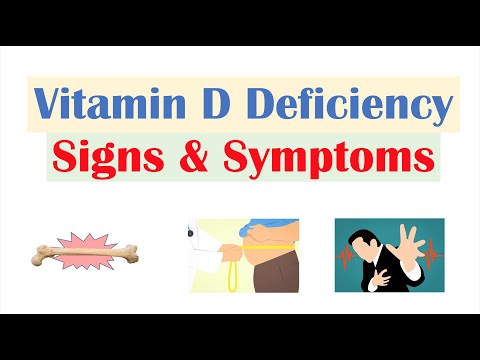
Vitamin D is often called the “sunshine vitamin” because our bodies produce it when exposed to sunlight. But did you know that many people are not getting enough of this essential nutrient? A deficiency in vitamin D can lead to a range of health issues, from weakened bones to mood changes. Understanding the signs, reasons, and remedies for vitamin D deficiency can empower you to make informed health decisions.
When we think about vitamins, it’s easy to overlook how vital they are for our overall well-being. Imagine trying to build a house without a solid foundation—this is similar to what happens in our bodies without adequate vitamin D. It plays crucial roles in maintaining strong bones, supporting immune function, and even regulating mood.
However, many people unknowingly live with low levels of this important vitamin. Factors such as limited sun exposure, certain medical conditions, or dietary choices can contribute to this deficiency. To reverse course, it’s essential to recognize the signs early and explore effective remedies.
It’s important to note that while information about vitamin D is widely available, it’s crucial not to rely solely on any single source or opinion. Make sure to consult various specialists and trusted media outlets when seeking advice on health matters like vitamin D deficiency. This will help you obtain a well-rounded understanding tailored specifically for your needs. Remember—your health is your most valuable asset!
The information provided in this article is intended solely for general informational and educational purposes. It does not constitute medical advice, diagnosis or professional treatment, and should not be considered a substitute for consultation with a qualified doctor or other licensed healthcare professional. Any health-related decisions should be made in consultation with accredited medical professionals.
While efforts have been made to ensure the information is accurate and up to date, no guarantees are given—either express or implied—regarding its accuracy, completeness, currency or suitability. Use of this information is at your own discretion.
It is strongly recommended to consult official sources such as the NHS (National Health Service) or other recognised medical institutions before acting on any information contained on this website or article. Under no circumstances should professional medical advice be ignored or delayed due to content read here.
This content is of a general and informational nature only. It is not intended to replace individualised guidance from a healthcare professional or to establish any doctor-patient relationship. The publication of this information does not imply any professional responsibility, guarantee or obligation on the part of the author or this site.
Uncovering the Hidden Factors Behind Low Vitamin D Levels
Vitamin D is essential for our health, yet many people struggle with low levels of it. Understanding why this happens can help us make better choices for our well-being.
Sunlight Exposure is one of the primary sources of vitamin D. Our skin produces this vitamin when exposed to sunlight, particularly UVB rays. If you live in areas with long winters or not much sunlight, especially during certain months, getting enough vitamin D can be tough.
Next are Dietary Sources. Few foods naturally contain vitamin D. Fatty fish like salmon and mackerel are good options, as well as egg yolks and fortified products like milk and orange juice. If your diet lacks these foods, it may contribute to low levels.
Lifestyle Choices also play a role. If you spend most of your time indoors or use sunscreen religiously without exposing your skin to sunlight first, this might limit your body’s ability to produce vitamin D.
Some people have Health Conditions that affect absorption or metabolism. Conditions like celiac disease or Crohn’s disease can hinder how well our bodies absorb nutrients from food.
Aging is another factor. As we age, our skin becomes less efficient at producing vitamin D from sunlight. This means older adults often face a higher risk of deficiency.
Also worth noting is Obesity. Vitamin D is fat-soluble, which means it can be stored in fat tissue. In those who have obesity, more vitamin D may get trapped in fat cells rather than circulating in the bloodstream where it’s needed.
Lastly, medications can impact how the body uses vitamin D. Some drugs may interfere with absorption or metabolism, leading to lower levels over time.
To address deficiencies:
Understanding these hidden factors allows you to take informed steps towards maintaining adequate vitamin D levels but remember that individual needs vary widely. Always consult a healthcare provider for personal advice regarding supplementation or medical conditions related to vitamin D deficiency.
Discover Quick Strategies to Boost Your Vitamin D Levels Instantly
Vitamin D is essential for our health. It helps with bone strength, immune function, and overall well-being. Unfortunately, many people are not getting enough of it. This can lead to what’s called vitamin D deficiency.
Symptoms of deficiency can include fatigue, bone pain, and muscle weakness. Some may even experience mood changes. If you think you might be low on vitamin D, it can be helpful to explore ways to boost your levels.
Here are some quick strategies:
It’s important to remember that factors like geographical location and skin type can affect how much vitamin D you get from the sun.
Sometimes people think they’re getting enough from diet alone when they may not be. Be mindful of portion sizes and frequency when consuming fortified foods or fish.
Before making significant changes to your diet or sun exposure habits, consider talking with someone who knows about nutrition and health.
Relying solely on any one method might not be effective for everyone. It’s usually best to have a balanced approach for optimal results.
In summary, boosting your vitamin D levels isn’t limited to just one way! Mix & match these strategies based on what fits best into your lifestyle. Your body will thank you!
Discover the Hidden Clues Your Body Might Be Sending You
Your body is constantly communicating with you, often revealing important health clues. One of the most overlooked signals may relate to vitamin D deficiency. Understanding these signs can help you respond proactively.
What is Vitamin D?
Vitamin D is essential for many bodily functions. It helps maintain bone health, supports your immune system, and even plays a role in mood regulation.
Signs of Deficiency
Some subtle hints can suggest that you might not be getting enough vitamin D. Here are a few to look out for:
Why Do We Need Vitamin D?
Vitamin D is like a key that unlocks calcium absorption in your body. Without it, bones can become weak and fragile. Think of it as fuel for your overall health engine.
The Main Reasons Behind Deficiency
There are several reasons why people might not get enough vitamin D:
If You Suspect Deficiency
If you notice any signs mentioned above or if you’re concerned about your intake, consider these steps:
A Word on Supplements
Supplements could also help boost levels if needed but should not replace healthy food choices or sun exposure. It’s essential not to self-diagnose or high-dose supplements without guidance.
In conclusion, paying attention to the hidden clues from your body regarding vitamin D can lead to better health decisions. Remember that small lifestyle adjustments may improve symptoms over time! Always seek personalized guidance when making changes related to supplementation or diet adjustments.
Vitamin D deficiency is a significant health concern affecting many individuals worldwide, often without them realizing it. Understanding the signs, reasons, and remedies for this deficiency is crucial for promoting better health.
Signs of Vitamin D Deficiency:
Many people may experience fatigue, bone pain, or muscle weakness when their vitamin D levels are low. Other subtle signals include mood changes and frequent infections. In children, a serious sign can be rickets, leading to skeletal deformities.
Reasons for Deficiency:
Several factors can lead to insufficient vitamin D levels. Limited sun exposure is a primary cause; we synthesize this vitamin when sunlight hits our skin. Geographic location plays a role too—people living in northern climates may get less sun during winter months. Others at risk include those with darker skin, older adults who spend more time indoors, and individuals with certain medical conditions that affect absorption.
Remedies for Deficiency:
To remedy this issue, consider increasing sun exposure safely—about 15-30 minutes several times a week can help boost your levels. Dietary sources like fatty fish (salmon and mackerel), fortified foods (milk and cereals), and eggs are also beneficial. In some cases, taking supplements may be necessary to achieve optimal levels.
It’s important to approach vitamin D supplementation thoughtfully. Too much can lead to toxicity, so consulting with a healthcare professional before starting any supplement regimen is wise.
In summary, being aware of the signs of deficiency and understanding the underlying causes allows us to take proactive steps toward improving our health through informed decisions regarding diet and lifestyle choices.