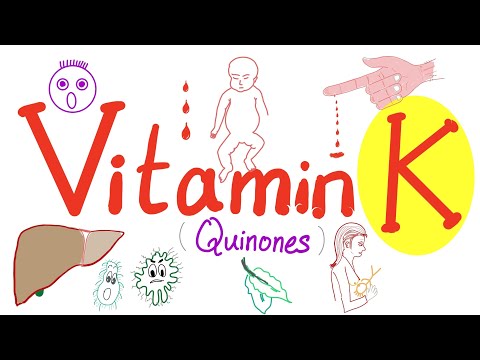
Vitamin K is a vital nutrient that plays a key role in maintaining our overall health. You might think of it as one of those unsung heroes—often overlooked but essential for many of our body’s functions. Its primary job is to help with blood clotting, ensuring that when we get a cut or scrape, we don’t lose too much blood. But that’s just the beginning; vitamin K also contributes to bone health and may support heart health.
Curious about how to get enough vitamin K in your diet? It can be found in various foods, especially green leafy vegetables like spinach and kale. Some fruits, dairy products, and fermented foods also contain this important nutrient. However, understanding the right dosage is critical because too little—or even too much—can pose problems.
Most importantly, while learning about vitamin K is valuable, it’s essential to seek out reliable information through different specialists and trusted sources. Misinformation can lead to poor health choices, so take your time to explore various perspectives before making decisions regarding supplements or dietary changes.
Remember, your health journey should be educated and informed!
The information provided in this article is intended solely for general informational and educational purposes. It does not constitute medical advice, diagnosis or professional treatment, and should not be considered a substitute for consultation with a qualified doctor or other licensed healthcare professional. Any health-related decisions should be made in consultation with accredited medical professionals.
While efforts have been made to ensure the information is accurate and up to date, no guarantees are given—either express or implied—regarding its accuracy, completeness, currency or suitability. Use of this information is at your own discretion.
It is strongly recommended to consult official sources such as the NHS (National Health Service) or other recognised medical institutions before acting on any information contained on this website or article. Under no circumstances should professional medical advice be ignored or delayed due to content read here.
This content is of a general and informational nature only. It is not intended to replace individualised guidance from a healthcare professional or to establish any doctor-patient relationship. The publication of this information does not imply any professional responsibility, guarantee or obligation on the part of the author or this site.
Discover Your Plate’s Hidden Gems for Optimal Health
When we think about vitamins, some often get more attention than others. One of those hidden gems is Vitamin K. It plays an important role in various bodily functions, yet many people don’t know much about it.
What is Vitamin K?
Vitamin K is a fat-soluble vitamin, which means it’s stored in the body’s fat tissues. There are two main forms: K1 and K2. Vitamin K1 comes mostly from plant sources, while K2 is found in animal products and fermented foods.
Benefits of Vitamin K
Its primary job is to help with blood clotting. Think of it as a safeguard against excessive bleeding when you get a cut. But that’s not all! Vitamin K also plays a part in bone health by assisting in calcium regulation.
The Risks of Deficiency
Not getting enough Vitamin K can lead to issues like excessive bleeding or weakened bones. However, true deficiencies are rare for most people since it’s found in many foods.
Signs that you might be low include easy bruising or unusual bleeding after minor injuries. If you suspect deficiency, consider talking to someone who can help guide you.
Dose Recommendations
The recommended intake varies based on age and gender. Generally, adults should aim for about 90 to 120 micrograms daily. But it’s best to focus on getting this vitamin through food rather than supplements unless advised otherwise.
Food Sources
So where can you find this vital nutrient? Here are some excellent sources:
Also, certain oils like olive oil contain some amounts too!
A Balancing Act
Nutrition is all about balance. While it’s important to include foods rich in Vitamin K, pairing them with other vitamins and minerals will give your body what it needs for optimal health.
Be mindful—if you’re on blood-thinning medications like warfarin, you should keep your Vitamin K intake consistent each day; consult your healthcare provider for guidance tailored just for you.
In conclusion, discovering hidden gems on your plate like Vitamin K, could benefit your overall health significantly! Paying attention to this often-overlooked vitamin might just be the key to enhancing your dietary habits for better well-being over time.
Unlocking the Secrets to Optimal Health and Wellness
Vitamin K plays a crucial role in maintaining our health, yet many people don’t know much about it. It’s often overshadowed by vitamins like C and D. Understanding this vitamin can help optimize your overall wellness.
First, let’s look at the benefits of Vitamin K. This vitamin is essential for blood clotting. Think of it as a band-aid for your insides; it helps stop bleeding when you get a cut or injury.
Additionally, Vitamin K contributes to bone health by assisting in calcium regulation. Imagine calcium as bricks building a strong house—Vitamin K helps keep those bricks in place.
Then there’s its role in heart health. Some studies suggest that Vitamin K may help prevent arterial calcification, which is important for keeping our heart functioning well.
Now, what happens when you have a deficiency? A lack of Vitamin K can lead to easy bruising and unusual bleeding, even from minor injuries. In severe cases, it might affect bone density, increasing the risk of fractures.
Deficiency is rare since Vitamin K is found in various foods. In terms of dosage, adults typically need about 90-120 micrograms daily. However, always double-check with reliable sources or professionals for personalized advice.
Food sources rich in Vitamin K include:
If you’re taking blood thinners or other medications, it’s vital to monitor your Vitamin K intake since it can interact with these drugs. Always check with trusted resources if you’re concerned about interactions.
In summary, keeping an eye on your Vitamin K levels through diet can be beneficial for blood clotting, bone density, and heart health. Simple changes can make a big difference in how you feel overall. Focus on balanced meals rich in diverse nutrients for optimal health and wellness!
Uncovering the Hidden Risks and Symptoms of Low Vitamin K Levels
Vitamin K often flies under the radar, but it’s essential for our health. This vitamin plays a pivotal role in blood clotting and bone health. When levels are low, it can lead to some serious issues.
What is Vitamin K?
There are two main forms: K1 and K2. Vitamin K1, found mostly in leafy greens, helps with blood clotting. Vitamin K2, which comes from animal products and fermented foods, supports bone health.
Why Do We Need It?
Vitamin K helps your body produce proteins that regulate bleeding. Think of it as a band-aid at the cellular level. When you cut yourself, vitamin K ensures the bleeding stops promptly.
The Risks of Low Levels
Low vitamin K can lead to excessive bleeding or bruising easily. You might notice unexplained spots on your skin or have difficulty stopping a bleed from minor wounds.
There’s a connection between low vitamin K and weaker bones too. If you’re frequently experiencing fractures or joint pain, it could be linked to vitamin deficiency.
Common Symptoms
Lookout for these signs of low vitamin K:
If someone has gastrointestinal disorders or takes certain medications like antibiotics or anticoagulants, their risk might be higher for deficiency.
The Right Dosage
Most adults need about 90-120 micrograms each day. But needs can vary based on age and overall health. It’s best to talk with someone before jumping into supplements.
Your Food Sources
Incorporating the right foods into your diet can boost your vitamin K levels:
Including these foods regularly can help maintain healthy levels without needing supplements for everyone.
In conclusion, being aware of your vitamin K intake is important for overall well-being. If you’re concerned about your levels or symptoms you experience, it’s good to chat with someone knowledgeable in healthcare for personalized guidance.
Vitamin K is a vital nutrient often overlooked in discussions about diet and health. Its primary role is to assist in blood clotting, which is essential for wound healing. Without enough vitamin K, even minor injuries can lead to excessive bleeding.
Additionally, recent research has linked vitamin K to bone health. It helps bind calcium to bones, potentially reducing the risk of fractures and osteoporosis as we age. This dual role highlights why adequate levels of vitamin K are crucial.
Deficiency in this vitamin can occur, especially in individuals with certain medical conditions or those on long-term antibiotics that disrupt gut bacteria—where much of our vitamin K is produced. Symptoms of deficiency may include easy bruising or bleeding.
In terms of dosage, adults generally need about 90-120 micrograms per day, depending on their age and gender. It’s important not to exceed this through supplements without professional guidance since excessive amounts can interfere with blood-thinning medications.
Food sources rich in vitamin K include leafy greens like kale and spinach, as well as broccoli and Brussels sprouts. Fermented foods such as natto (a fermented soy product) are particularly high in vitamin K2.
Understanding these aspects empowers individuals to make informed dietary choices that promote better health outcomes related to blood coagulation and bone strength. Emphasizing a balanced diet rich in these foods can prevent deficiency while reaping the numerous benefits of this essential nutrient.