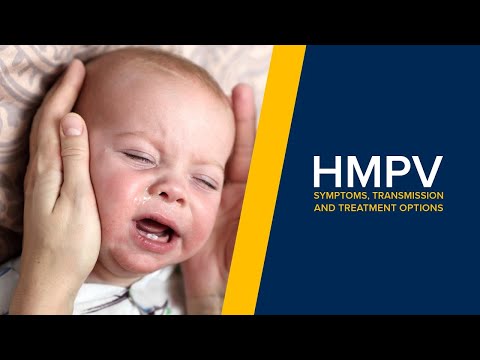
Human Metapneumovirus (hMPV) may sound unfamiliar, but it plays a significant role in respiratory infections, particularly in young children and older adults. Imagine it as an uninvited guest that shows up during flu season, causing coughing, fever, and sore throats. Just like other viruses, hMPV spreads through droplets in the air when an infected person coughs or sneezes.
Recognizing its symptoms is crucial. Early identification can lead to better management and care. Symptoms often resemble those of more common illnesses like the flu or a cold. However, knowing what to watch for can make a real difference.
Key symptoms include:
The information provided in this article is intended solely for general informational and educational purposes. It does not constitute medical advice, diagnosis or professional treatment, and should not be considered a substitute for consultation with a qualified doctor or other licensed healthcare professional. Any health-related decisions should be made in consultation with accredited medical professionals.
While efforts have been made to ensure the information is accurate and up to date, no guarantees are given—either express or implied—regarding its accuracy, completeness, currency or suitability. Use of this information is at your own discretion.
It is strongly recommended to consult official sources such as the NHS (National Health Service) or other recognised medical institutions before acting on any information contained on this website or article. Under no circumstances should professional medical advice be ignored or delayed due to content read here.
This content is of a general and informational nature only. It is not intended to replace individualised guidance from a healthcare professional or to establish any doctor-patient relationship. The publication of this information does not imply any professional responsibility, guarantee or obligation on the part of the author or this site.
While these signs may seem typical for various infections, if they persist or worsen, it’s vital to seek medical advice.
It’s important to stay informed about hMPV and its effects. Rely on trusted sources like healthcare providers and educational websites for accurate information. Misinformation can lead to unnecessary worry or underestimation of risks. Knowledge is your best tool in recognizing symptoms effectively and making informed health choices for you and your loved ones.
Uncovering the Signs and Symptoms of Human Metapneumovirus Infection
Human Metapneumovirus (hMPV) is a virus that can cause respiratory infections. It’s part of the paramyxovirus family. While it may not be as well known as some other viruses, it can lead to significant health issues, especially in certain groups.
Recognizing the signs and symptoms of hMPV is crucial. Most commonly, people might experience:
These symptoms can seem like a cold or flu. That’s because hMPV acts similarly to other respiratory viruses. For most healthy individuals, the infection will resolve on its own.
However, certain populations are more vulnerable. Young children, older adults, and those with weakened immune systems may face more severe symptoms. They can develop pneumonia or bronchiolitis.
In severe cases, you might notice:
If someone in these high-risk groups shows intense symptoms like these, seeking medical help promptly is important.
One common misconception is that hMPV only spreads during winter months. In reality, this virus can circulate year-round but peaks in the fall and spring seasons.
Good hygiene practices help in prevention. Simple actions like washing hands frequently and avoiding close contact with sick individuals are effective measures.
If you think you have hMPV, rest and fluids are key to recovery. Over-the-counter medications may alleviate some symptoms but don’t cure the virus itself.
Always consult with healthcare professionals if you have concerns about your health or if symptoms worsen over time. Understanding how your body reacts helps make informed decisions about your well-being.
Unraveling the Signs: How to Identify Metapneumovirus Symptoms
Metapneumovirus is a virus that can cause respiratory infections. It’s more common in children but can affect people of all ages. Understanding its symptoms is important for timely care.
The symptoms of metapneumovirus can be quite similar to other respiratory viruses, like the flu or common cold. This means they might seem familiar, making it tricky to pinpoint the exact cause without testing.
Common signs include:
Symptoms typically appear within a few days after exposure. They usually last about one week but can linger longer in some cases.
It’s worth noting that metapneumovirus rarely causes severe illness. However, it might lead to complications in vulnerable populations like infants, elderly individuals, and those with weakened immune systems.
If you notice these symptoms, especially if they worsen or lead to difficulty breathing, seeking medical advice is essential.
Remember that many respiratory infections are self-limiting and resolve on their own with rest and hydration. But being aware and recognizing these signs can help you manage your health better.
Lastly, it’s important not to jump to conclusions. Many factors contribute to how we feel when we’re sick; various viruses exhibit overlapping symptoms. Staying informed helps us make better health choices and understand when it’s time for professional evaluation if needed.
Unveiling the Secrets of Metapneumovirus Detection Techniques
Human Metapneumovirus (hMPV) is a virus that can cause respiratory infections. It’s especially concerning for young children, the elderly, and individuals with weakened immune systems. Identifying this virus is crucial for proper treatment and management.
Detecting hMPV involves several techniques. Each method has its pros and cons.
1. PCR Testing:
Polymerase Chain Reaction (PCR) is a common technique used to detect hMPV in respiratory specimens. It’s highly sensitive and can identify the virus even in small amounts.
2. Viral Culture:
This method involves growing the virus from a sample taken from the patient. While it can confirm an infection, it’s slower than other tests, taking days to produce results.
3. Serological Testing:
These tests look for antibodies against hMPV in the blood. They tell if someone has been infected but are not useful for immediate diagnosis during an active infection.
4. Rapid Antigen Tests:
These are quick tests that detect specific proteins from the virus in respiratory samples. They’re easy to use but may not be as reliable as PCR tests.
Recognizing symptoms of hMPV infections helps guide when to seek testing. Common symptoms include:
It’s important not to jump to conclusions based on symptoms alone, as many viruses cause similar signs of illness.
In recent years, advances in detection methods have improved our ability to identify hMPV quickly and effectively. It’s essential for health professionals to stay updated on these techniques.
Understanding how these detection methods work can help you make more informed decisions about health care options when faced with respiratory symptoms.
Always consult a healthcare provider if you suspect an infection or have concerns about health issues related to hMPV or any other virus.
Recognizing the symptoms of Human Metapneumovirus (hMPV) infections is crucial in improving public health responses and patient care. hMPV is a respiratory virus that primarily affects young children, the elderly, and individuals with weakened immune systems.
Symptoms often resemble those of other respiratory infections, making early recognition challenging. Common signs include:
Understanding these symptoms helps in differentiating hMPV from other viruses like influenza or RSV (Respiratory Syncytial Virus). Accurate identification can guide appropriate management and treatment options.
Moreover, widespread awareness can lead to better prevention strategies. Given that hMPV spreads through respiratory droplets, promoting good hygiene practices—such as regular handwashing—can be key in minimizing transmission.
As we continue to study and understand this virus, recognizing its symptoms allows healthcare providers to offer informed care while educating patients on when to seek medical attention. This promotes a proactive approach to respiratory health overall.