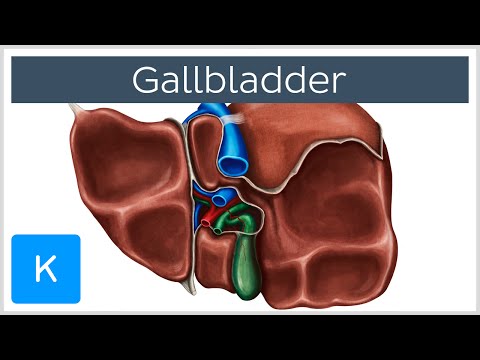
Have you ever wondered about the small yet mighty organ nestled under your liver? That’s the gallbladder! Understanding its anatomy, function, and how we test its health can shed light on many digestive issues we face. This little pouch plays a crucial role in digesting fats by storing bile—a fluid produced by the liver. Think of it as a reservoir that releases bile when you eat, helping break down those creamy pastas or rich cheeses.
But there’s so much more to explore about the gallbladder! From recognizing symptoms of potential problems like gallstones to understanding how imaging tests work, gaining knowledge empowers you to make informed health decisions.
However, be cautious! While information is key, not every source is reliable. Competent communication from healthcare professionals is essential. Always cross-reference advice with trusted medical literature and different specialists to get a well-rounded perspective. Your health deserves thorough investigation and understanding—never settle for just one opinion or source!
The information provided in this article is intended solely for general informational and educational purposes. It does not constitute medical advice, diagnosis or professional treatment, and should not be considered a substitute for consultation with a qualified doctor or other licensed healthcare professional. Any health-related decisions should be made in consultation with accredited medical professionals.
While efforts have been made to ensure the information is accurate and up to date, no guarantees are given—either express or implied—regarding its accuracy, completeness, currency or suitability. Use of this information is at your own discretion.
It is strongly recommended to consult official sources such as the NHS (National Health Service) or other recognised medical institutions before acting on any information contained on this website or article. Under no circumstances should professional medical advice be ignored or delayed due to content read here.
This content is of a general and informational nature only. It is not intended to replace individualised guidance from a healthcare professional or to establish any doctor-patient relationship. The publication of this information does not imply any professional responsibility, guarantee or obligation on the part of the author or this site.
Unveiling the Secrets of Digestive Health: Understanding the Role of the Gallbladder in Your Body
The gallbladder is a small, pear-shaped organ located beneath the liver. It plays a crucial role in our digestive system by storing and concentrating bile. Bile is a fluid made by the liver that helps us digest fats.
When we eat, especially fatty foods, the gallbladder releases bile into the small intestine. This release is like squeezing toothpaste out of a tube when you need it. Without this process, our bodies would struggle to break down fats effectively.
Understanding gallbladder anatomy can help us see how vital it is to digestion. The gallbladder has three main parts: the fundus (the rounded top), the body (the main part), and the neck (where bile exits). Each section plays its part in storing and releasing bile.
Sometimes, problems can occur with the gallbladder. One common issue is gallstones, which are hardened deposits that can block bile flow. This blockage may cause pain or discomfort known as biliary colic.
Testing for gallbladder issues usually involves imaging techniques like ultrasounds or MRIs. These tests allow doctors to see if there are any stones or inflammation present.
It’s important to maintain healthy eating habits for good gallbladder health.
Many myths surround digestive health and the gallbladder. For example, some believe everyone needs their gallbladder removed if they have stones; this isn’t always true! Treatment varies based on individual circumstances.
Being informed about your body’s functions can empower you to make better health choices. If you’re experiencing unusual symptoms related to digestion or your abdomen, it’s essential to consult a healthcare provider for personalized advice.
Remember that while the gallbladder is important, many people live healthy lives without theirs after surgery for severe conditions. Your body adjusts over time with proper care.
By understanding how your body works and staying attuned to changes, you can advocate for your own health more effectively!
Unlocking the Secrets of Your Gallbladder’s Health
Understanding your gallbladder is important for maintaining good health. This small organ plays a key role in digestion. Let’s explore its anatomy, function, and testing.
First, let’s look at what the gallbladder is. It’s a small pouch located under your liver. Think of it as a storage tank for bile, which helps digest fats from the food you eat.
The gallbladder stores bile until it’s needed. When you eat, especially fatty foods, your body signals the gallbladder to release bile into the small intestine. This process is like squeezing a sponge full of water when you need to clean something.
Gallbladder Function: Its main job is to concentrate and store bile made by the liver. Without this organ, your body can still digest food but may struggle with fatty meals.
Now let’s talk about health concerns related to the gallbladder. One common issue is gallstones, which are solid particles that form in the bile. They can block the flow of bile and cause pain or infection.
Symptoms of gallbladder problems can include nausea, vomiting, and sharp pain in the upper right abdomen after eating fatty foods.
To assess gallbladder health, medical professionals may recommend several tests:
These tests are non-invasive and provide valuable information about how well your gallbladder is working.
It’s essential to listen to your body and pay attention to any unusual symptoms. If something feels off after eating or if you experience ongoing discomfort, it’s wise to seek guidance from a healthcare provider.
Remember that maintaining a healthy lifestyle also supports gallbladder health. Eating balanced meals and staying active promotes good digestion overall.
In summary, understanding your gallbladder helps you take proactive steps for better health. By being aware of its function and potential issues—that’s key for making informed choices about what you eat every day!
Unlocking the Secrets of Gallbladder Health and Function
Understanding the gallbladder can help you make informed decisions about your health. This small, pear-shaped organ is located just beneath your liver. It plays a key role in digestion.
The primary function of the gallbladder is to store bile, a fluid produced by the liver. Bile helps break down fats in the food you eat. Think of it as a reservoir that releases bile when needed, especially after meals.
When you eat fatty foods, hormones signal the gallbladder to contract. It releases bile into the small intestine to aid digestion. Without this process, you might have difficulty digesting fats properly.
However, problems can arise with gallbladder health. Gallstones are one common issue. These are hard deposits that form from bile components if there’s too much cholesterol or bilirubin in it. They can cause pain and other digestive issues.
Gallbladder disease can also include inflammation or infection, often leading to symptoms like abdominal pain or nausea. It’s essential to listen to your body and seek medical advice if something feels off.
Testing for gallbladder issues typically includes ultrasounds or blood tests. These methods can identify stones or assess how well your gallbladder is functioning without invasive procedures.
There’s also a connection between diet and gallbladder health. A balanced diet rich in fiber and healthy fats may help support its function. Avoiding excessive fried foods and refined sugars can also be beneficial.
It’s important to know that not everyone with gallstones experiences problems. Many people may have them without any symptoms at all.
Educating yourself about your body’s functions gives you power over your health decisions. Always consult with healthcare professionals before making significant changes related to your health status or lifestyle choices.
In summary:
Understanding how this organ works equips you to take charge of your overall wellness!
Understanding gallbladder anatomy, function, and testing is crucial for comprehending how our digestive system works. The gallbladder is a small, pear-shaped organ located beneath the liver. Its primary function is to store and concentrate bile, a substance produced by the liver that helps digest fats.
When we eat, especially fatty foods, the gallbladder releases bile into the small intestine to aid in digestion. This process showcases how interconnected our organs are and emphasizes the importance of each component in overall health.
Testing for gallbladder issues often includes imaging techniques like ultrasounds or HIDA scans. These tests help diagnose problems such as gallstones or inflammation. Identifying these conditions early can lead to better treatment outcomes.
It’s important to recognize that while many people may not think about their gallbladder until problems arise, maintaining a healthy lifestyle can support its function. A balanced diet low in saturated fats and rich in fiber can help prevent issues like cholesterol buildup.
In summary, understanding the gallbladder’s role and potential disorders empowers individuals to make informed decisions about their health. It encourages proactive measures rather than reactive treatments when symptoms emerge.