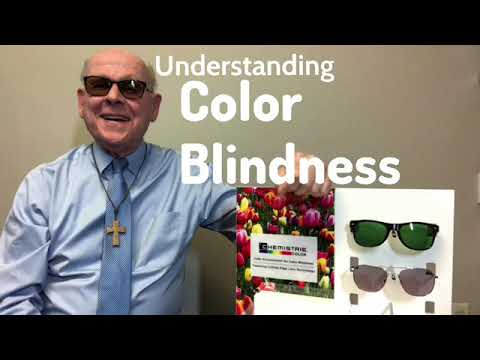
The information provided in this article is intended solely for general informational and educational purposes. It does not constitute medical advice, diagnosis or professional treatment, and should not be considered a substitute for consultation with a qualified doctor or other licensed healthcare professional. Any health-related decisions should be made in consultation with accredited medical professionals.
While efforts have been made to ensure the information is accurate and up to date, no guarantees are given—either express or implied—regarding its accuracy, completeness, currency or suitability. Use of this information is at your own discretion.
It is strongly recommended to consult official sources such as the NHS (National Health Service) or other recognised medical institutions before acting on any information contained on this website or article. Under no circumstances should professional medical advice be ignored or delayed due to content read here.
This content is of a general and informational nature only. It is not intended to replace individualised guidance from a healthcare professional or to establish any doctor-patient relationship. The publication of this information does not imply any professional responsibility, guarantee or obligation on the part of the author or this site.
Have you ever stopped to think about how colors affect your mood? It’s pretty fascinating, right? Colors don’t just make our world beautiful; they can actually influence how we feel and think.
Imagine walking through a park filled with vibrant flowers. The bright reds and yellows can uplift your spirits, while a grey, overcast day might leave you feeling down. This isn’t just coincidence—research shows that color vision plays a significant role in our mental health.
This article will take you through the science of color vision. We’ll explore how colors impact emotions and even cognitive function. Along the way, you’ll find insights that could help you understand your feelings better.
It’s not only interesting; it could be life-changing for some folks struggling with anxiety or depression. After all, little things can make a big difference in well-being.
You should keep in mind that this information doesn’t replace professional medical advice. Always consult with healthcare experts when making health decisions. They’re there to guide you!
Exploring the Hidden Connection Between Hues and Happiness
Understanding Color Vision and Its Impact on Mental Health
Colors surround us every day. From the deep blue of the sky to the bright yellow of a sunflower, they create our world. But did you know that colors can influence our emotions and mental well-being? It’s true! Let’s dive into this fascinating connection.
What is Color Vision?
Color vision refers to our ability to perceive different wavelengths of light as distinct colors. Most people have three types of color receptors, or cones, in their eyes. These cones help us see a range of colors, mixing those primary signals into what we recognize as the rainbow.
When you see red, green, or blue light, these cones send messages to your brain. It’s as if they’re creating a symphony of visual information that helps us navigate our environment.
The Psychology of Colors
Colors can evoke feelings and memories quite strongly. For example, think about how a bright orange may remind you of warmth and joy—like summer sunsets. On the other hand, grey tones might feel more somber or depressing.
- Red: Often associated with energy and passion.
- Blue: Can bring feelings of calmness and tranquility.
- Green: Typically linked to nature and renewal.
- Yellow: Usually seen as cheerful and uplifting.
This emotional response isn’t just subjective; research indicates that colors can affect moods in tangible ways. People exposed to bright colors might report higher levels of happiness compared to those in drab environments.
The Science Behind It
Your brain processes color differently than other types of information. The part called the limbic system—which is responsible for emotions—interacts with color perception. This means that when you see certain hues, they could trigger emotional reactions even without conscious thought!
A study showed that individuals who spent time in colorful surroundings reported feeling happier overall than those in monochrome settings. It’s like giving your mind a little boost every time you encounter vibrant shades!
Your Environment Matters
If you’ve ever walked into a room painted bright red or cheerful yellow, you might’ve noticed your mood shift slightly—just from being there! Our surroundings play an important role in how we feel daily.
This is why artists and designers often choose specific colors based on the emotions they want to convey or evoke in others. Why do restaurants use warm colors? Well, it’s believed they stimulate appetite!
Coping Mechanisms Through Colors
If you’re feeling down or anxious, incorporating more colorful elements into your space could be beneficial — things like paintings or colorful decor could make a difference over time! Some people find comfort in nature’s colors too; think about taking walks among blooming flowers for an instant lift!
Your own personal preferences matter too; some folks find comfort in soft pastels while others love bold hues! Recognizing what speaks to you can enhance your mental space significantly.
A Word on Individuality
You know how not everyone likes broccoli? The same goes for color preferences! Each person has their unique take on what colors help them feel happy or calm. So it’s essential not just follow general suggestions but truly pay attention to what works for YOU!
The Takeaway
The connection between hues and happiness” might seem abstract at times but understanding it gives us insight into creating healthier environments — both at home and outside! Being aware of how color influences our mood allows us to adjust accordingly for better emotional health.
Just remember: while there’s no miracle solution here; small changes can add up over time!
Understanding How We Perceive and Interpret Colors in Our World
Understanding Color Vision
Colors are everywhere, right? They shape our experiences and emotions. But have you ever thought about how we actually see colors? Let’s break it down.
The human eye has tiny cells called cones that are sensitive to light. There’s three types of cones, each responding to different wavelengths of light: red, green, and blue. These cones work together to let us see millions of colors. Think of it like mixing paint; when you add different colors together, you can create new shades.
How Colors Affect Our Mood
Color isn’t just about what we see; it’s also connected to how we feel. For instance, warm colors like red and orange can evoke feelings of excitement or warmth, while cool colors like blues and greens often bring calmness or relaxation.
If you think about a bright yellow sunflower on a sunny day versus a gloomy gray sky, it makes sense how these colors influence your mood. In fact, some studies have shown that certain colors can boost creativity while others may encourage focus.
Color Vision Deficiency
Not everyone sees color in the same way though. Some people have a condition called color vision deficiency—often known as color blindness. This usually means they struggle to differentiate between certain hues.
This condition is more common in males than females and can affect daily life in various ways—like picking clothes that match or reading graphs with color-coded information. It’s fascinating but also shows how subjective our perception really is!
Mental Health Connections
The connection between color vision and mental health is intriguing. Studies indicate that people with better color perception might experience lower levels of anxiety and depression. Perhaps seeing the world in vibrant hues enables more positive feelings—kind of like being wrapped up in a cozy blanket on a chilly day.
A colorful environment has even been linked to enhancing creativity and improving productivity! So hey, maybe decorating your space with thoughtful colors could be beneficial for your mind too.
Culture & Color Interpretation
Cultural background plays an important role as well; different cultures assign various meanings to specific colors. For example, while white symbolizes purity in many Western cultures, it represents mourning in others like some Asian traditions.
You know how we often associate certain holidays with specific colors? Christmas has red and green while Halloween is all about Halloween orange! This cultural context shapes not only our interpretation but also our emotional reactions toward those shades.
The Takeaway
Understanding how we perceive colors helps us appreciate their significance in our lives more deeply—even beyond aesthetics!
- The eye converts light into signals sent to the brain for interpretation.
- Colors can significantly influence mood and emotional responses.
- Cultural factors affect how we interpret and respond to different hues.
- Mental health might benefit from surrounding ourselves with meaningful colors.
The next time you look at a colorful sunset or notice a vibrant flower blooming, take a moment to appreciate not just its beauty but also the complex way your brain is processing those bright memories!
Exploring the Spectrum of Emotions and Experiences Through Color
Color Vision Basics
Color vision is a pretty fascinating topic. It’s how we see and interpret the world around us using colors. At the core, our eyes have cells called cones that respond to different wavelengths of light. You can think of these cones like tiny sensors for color.
Humans typically have three types of cones: they detect red, green, and blue light. Together, these cones allow us to perceive millions of colors by mixing them in various ways. But not everyone sees colors the same way.
Understanding Color Blindness
Some people have color blindness, which means they might not see certain colors as vividly or at all. It’s mostly genetic and affects more men than women. Imagine seeing a beautiful sunset but only spotting shades of gray instead of vibrant reds and oranges—that’s color blindness for you.
The Emotional Power of Colors
Colors aren’t just visual phenomena; they can evoke feelings and emotions too. For instance, warm colors like red and orange often bring about feelings of warmth or energy. Cool colors like blue and green tend to feel calming or soothing.
You know how walking into a bright yellow room might energize you while a soft blue space could help you relax? That’s the emotional power that comes with color!
The Link Between Color and Mental Health
Research suggests that colors can impact mood and even mental health in various ways. For example, exposure to specific colors may influence your feelings throughout the day.
- Blue: Often associated with tranquility, it may help alleviate stress.
- Red: Can raise energy levels but also might cause stress if overexposed.
- Green: Typically linked with nature; many find it refreshing and uplifting.
The Role of Environment
Your environment plays a vital role too! Imagine sitting in a drab office lit by harsh fluorescent lights versus being outside on a sunny day surrounded by greenery—huge difference, right?
This setting can affect how you feel mentally or emotionally just based on the light and colors present around you!
Cultural Perspectives on Color
Cultural context matters when we talk about color perception too. In some cultures, white symbolizes purity; in others, it represents mourning. This shows how personal experiences shape our views on color.
Your Personal Experience Matters
The way you react to certain colors is unique to you. Think about your favorite hues—what do they remind you of? Maybe childhood memories or places that make you happy?
A Few Final Thoughts
If you’re feeling down or stressed out, consider your surroundings—are there ways to incorporate more colors that uplift your mood? It’s simple changes like adding plants or colorful decorations that might help create a better atmosphere for yourself.
Understanding Color Vision and Its Impact on Mental Health
The way we perceive color is fascinating. Color vision isn’t just a biological phenomenon; it also plays a role in our emotions and mental well-being. You know, for some, certain colors can evoke strong feelings—think about how blue often feels calming, while red might ramp up energy.
Research shows that people with color vision deficiencies—often called color blindness—can experience challenges beyond just seeing colors differently. These challenges can affect self-esteem and social interactions. Imagine a child who struggles to identify colors in art class; they might feel left out or less capable than their peers.
This brings us to the connection between color vision and mental health. Colors influence mood, which we see in therapy settings where color is used as a tool for expression. Bright colors can stimulate happiness, while muted tones may evoke sadness or anxiety.
The interesting part? Mental health issues like anxiety and depression may alter one’s perception of colors as well. A person feeling down might see the world as duller or less vibrant. This effect highlights the cyclical relationship between our emotional state and how we perceive our environment.
To wrap it up, understanding color vision isn’t just about biology—it’s also about human experience. It reminds us how intertwined our sensory perceptions are with our moods and mental health. This knowledge opens doors for supporting those who face challenges related to color perception, emphasizing empathy and awareness instead of simply viewing it through a clinical lens.