The information provided in this article is intended solely for general informational and educational purposes. It does not constitute medical advice, diagnosis or professional treatment, and should not be considered a substitute for consultation with a qualified doctor or other licensed healthcare professional. Any health-related decisions should be made in consultation with accredited medical professionals.
While efforts have been made to ensure the information is accurate and up to date, no guarantees are given—either express or implied—regarding its accuracy, completeness, currency or suitability. Use of this information is at your own discretion.
It is strongly recommended to consult official sources such as the NHS (National Health Service) or other recognised medical institutions before acting on any information contained on this website or article. Under no circumstances should professional medical advice be ignored or delayed due to content read here.
This content is of a general and informational nature only. It is not intended to replace individualised guidance from a healthcare professional or to establish any doctor-patient relationship. The publication of this information does not imply any professional responsibility, guarantee or obligation on the part of the author or this site.
Have you ever noticed people who seem to bend and flex in ways that look just a bit too unusual? If so, you might be witnessing hypermobile joints in action. It sounds a bit like a party trick, right? But for many, it can come with discomfort and challenges.
This article dives into the world of hypermobility. We’ll explore what causes those flexible joints and how they affect everyday life. It’s pretty common, yet often misunderstood. You know what I mean? A lot of folks don’t even realize they have it until they face issues like pain or instability.
Understanding hypermobility is crucial because it can impact physical activities and overall well-being. Plus, relief is possible! From lifestyle adjustments to gentle exercises, we’ll discuss effective ways to manage symptoms.
Please remember: this content doesn’t replace medical advice. Always consult a healthcare professional for personalized guidance on your health decisions.
Let’s get started on this journey to understanding hypermobile joints together!
Rediscovering Comfort in Every Move
Understanding Hypermobile Joints: Causes and Effective Relief
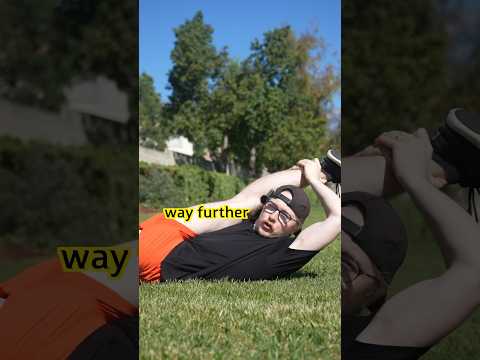
Hey, so let’s talk about hypermobile joints. You know, those people who can bend their fingers back or do the splits with ease? It all comes down to joint hypermobility. But what exactly is that?
Joint hypermobility means that your joints have a greater range of motion than usual. This often happens because of the connective tissues—like ligaments—that hold the bones together being more elastic than normal.
What Causes Hypermobile Joints?
There are a few reasons someone might be hypermobile. Genetics plays a big role; if your parents were flexible, there’s a chance you could be too. It’s like inheriting curly hair or blue eyes!
Some people have it as part of a syndrome like Ehlers-Danlos syndrome—a group of disorders affecting connective tissue. It’s important to mention that not everyone with hypermobile joints has this condition.
The Ups and Downs of Being Hypermobile
With great flexibility comes some challenges, you know? While having flexible joints can be cool in dance or sports, it sometimes leads to pain or injuries. This happens because the lack of stability means the joint could be at risk during certain movements.
You might feel aches after physical activities or even just bending over to tie your shoes! That discomfort can sometimes make everyday tasks tricky.
Finding Comfort: Ways to Manage Symptoms
If you’re experiencing discomfort from hypermobility, there are some strategies to consider. First off, strengthening exercises can help stabilize those loose joints. Think about it like building a strong foundation for a house—the stronger it is, the better it’ll stand up!
- Pilates and yoga focus on core strength and balance which can be very helpful.
- A physical therapist can guide you through tailored exercises that fit your needs.
- You might also look into wearing supportive braces during activities that put extra stress on your joints.
Mental Comfort Matters Too
Sometimes it’s just as important to address mental comfort as physical symptoms. Chronic pain can really take its toll on mental well-being. Mindfulness practices like meditation may help cope with any stress related to joint issues.
A supportive network also makes a difference! Sharing experiences with friends or support groups creates understanding and encouragement—you’re not alone in this!
Navigating Everyday Life
If you’re navigating life with hypermobile joints, education is key! Learning about your body helps you make informed choices about activities you enjoy while taking care not to overdo it.
Keep in mind that every person’s experience is different. What works for one person might not work for another; listen to your body and adapt accordingly!
Your Journey Towards Comfort
This journey towards rediscovering comfort isn’t always straightforward but understanding what’s going on inside your body helps pave the way forward. With some practical adjustments and awareness, movement doesn’t have to mean discomfort anymore!
Discover Your Body’s Flexibility Limits
Understanding Your Body’s Flexibility Limits
Flexibility is the ability of your joints and muscles to move freely. Some people are naturally more flexible than others. This can be due to a variety of factors, including genetics and your activity level. Ever noticed how some folks seem to bend like pretzels? Well, that’s often linked to a condition called hypermobility.
What is Hypermobile Joints?
Hypermobility refers to joints that move beyond the typical range of motion. It’s kinda like having a rubber band that’s stretched too far sometimes. In many cases, it doesn’t cause any issues; many people with hypermobile joints live completely normal lives.
But why does it happen? A lot of it boils down to connective tissues—think ligaments and tendons—that are softer or more elastic in some folks. Genetics plays a major role here.
Causes of Hypermobile Joints
- Genetics: If someone in your family has hypermobility, chances are you might too.
- Athletic Training: Certain sports or activities can increase flexibility over time.
- Tissue Health: Some people have naturally more pliable connective tissues due to their unique biological makeup.
The Benefits and Risks
You might wonder: “Is being flexible always good?” Not necessarily! While hypermobility can be an asset in certain activities like dance or gymnastics, it can also lead to joint pain or injuries if you’re not careful. It’s kinda like having a high-performance car; if you don’t handle it right, things can go wrong!
Coping with Hypermobility
If you find yourself dealing with discomfort from hypermobile joints, there are ways to manage it. Strengthening the muscles around joint areas is essential—stronger muscles provide better support. Doing exercises that focus on stability can help too!
- Physical Therapy: Working with a trained professional can offer tailored strategies for your needs.
- Stretching Carefully: Balancing between mobility and control is key—too much stretching might lead to further issues.
- Pain Management: Sometimes resting an affected area or using cold packs can provide relief during flare-ups.
A Word on Monitoring Your Flexibility
Your body is unique; it’s important to listen to what it’s telling you. Just because you can bend in ways that impress others doesn’t mean you should do so recklessly! Pay attention when engaging in physical activities—if something feels off or painful, take a step back.
Navigating hypermobility isn’t just about flexibility; it’s about understanding what works for your body while staying active and healthy. Remember, everyone’s limits are different!
Exploring the Hidden Risks and Benefits of Flexible Joints
Understanding Flexible Joints
So, you might be wondering about flexible joints, often called hypermobile joints. These are joints that can move beyond the normal range of motion. Imagine bending your thumb backward really far—some people can do that with various joints. It’s kind of impressive but also comes with its own set of challenges.
What Causes Hypermobile Joints?
A lot of it comes down to genetics. If someone in your family has those crazy bendy abilities, you might too! Connective tissues, like ligaments and tendons, play a huge role here. They’re supposed to hold everything together but in some people, they’ve just got a little extra stretch to them.
The Bright Side: Benefits
- Increased Flexibility: A major plus is that flexibility can be amazing for activities like gymnastics or dance.
- Less Pain During Certain Activities: Some hypermobile individuals report less pain when stretching or exercising.
- Athletic Advantage: In sports requiring flexibility, having hypermobile joints might provide an edge.
The Not-So-Great Side: Risks
- Joint Pain: While you may be able to bend easily, this can actually lead to pain over time due to joint strain.
- Higher Injury Risk: More flexibility often means more instability—think sprains and dislocations happening more often.
- Fatigue: Muscles might get tired quicker because they’re constantly trying to stabilize those super flexible joints.
Coping Strategies
If you’ve got hypermobile joints and are feeling discomfort, you’re not alone. Many people find relief through exercises aimed at strengthening the muscles around their joints. Look into physical therapy if that’s available; a knowledgeable therapist can guide you on how best to support your body.
This Isn’t Just About You!
Your lifestyle matters too! Staying active plays a key role in managing any discomfort related to hypermobility. Remember that taking breaks while participating in activities helps prevent overuse injuries and gives your body time to recover from any strain it may experience during daily activities.
A Word on Myths
You’ll often hear that hypermobility is all fun and games—that everyone wants flexible knees or elbows. But that’s not the whole story! It’s important not to dismiss the risks just because some see it as a ‘gift.’ Understanding both sides helps you make informed decisions about your health and fitness journey.
If you’re curious about trying certain strategies or exercises, it’s always wise checking with someone who knows what they’re talking about—like a therapist or trainer with experience in this area!
The bottom line? Hypermobile joints have their perks and pitfalls. Being aware enables you to take positive steps toward managing any issues effectively while enjoying the unique benefits of flexible joints!
Understanding hypermobile joints is a fascinating journey into how our bodies work. Hypermobile joints, or those that move beyond the normal range of motion, can make simple tasks feel effortless for some people. For others, however, this flexibility can lead to discomfort or even pain.
The causes of hypermobility can be genetic. It’s often tied to variations in collagen—the protein that provides structure and strength to our connective tissues. Some individuals inherit this trait, while others may develop it due to conditions like Ehlers-Danlos syndrome.
What’s intriguing is how varied the experiences of those with hypermobility can be. Some folks might find it advantageous in sports or dance, while others might struggle with joint pain or instability. This variance speaks to why personalized approaches are so important.
Relief strategies may include strengthening exercises to provide better support around the joints or physical therapy tailored to individual needs. It’s also crucial for people with hypermobile joints to listen to their bodies and avoid overextending themselves.
Ultimately, understanding hypermobile joints isn’t just about recognizing their presence but appreciating the full spectrum of experiences they bring. Open conversations about joint health and effective relief can empower both patients and healthcare providers alike.