The information provided in this article is intended solely for general informational and educational purposes. It does not constitute medical advice, diagnosis or professional treatment, and should not be considered a substitute for consultation with a qualified doctor or other licensed healthcare professional. Any health-related decisions should be made in consultation with accredited medical professionals.
While efforts have been made to ensure the information is accurate and up to date, no guarantees are given—either express or implied—regarding its accuracy, completeness, currency or suitability. Use of this information is at your own discretion.
It is strongly recommended to consult official sources such as the NHS (National Health Service) or other recognised medical institutions before acting on any information contained on this website or article. Under no circumstances should professional medical advice be ignored or delayed due to content read here.
This content is of a general and informational nature only. It is not intended to replace individualised guidance from a healthcare professional or to establish any doctor-patient relationship. The publication of this information does not imply any professional responsibility, guarantee or obligation on the part of the author or this site.
Have you ever noticed how your dog seems to know when you’re feeling down? It’s like they have a sixth sense! But, the thing is, understanding what goes on inside their bodies can make a huge difference in their health and happiness.
Believe it or not, dogs have an incredible range of anatomical features that are both fascinating and vital to their well-being. For instance, did you know that a dog’s sense of smell is at least 40 times better than ours? This plays a big role in not just daily life but also in issues like health detection.
This article will help you navigate canine anatomy and its importance in promoting better pet care. We’ll explore how different body parts function and why knowing this stuff matters for your furry friend’s health.
But remember, this content doesn’t replace professional medical advice. Health decisions should never be based solely on what you read here. Always consult your vet for proper guidance on your pet’s specific needs.
Exploring the Inner Workings of Our Canine Companions
Understanding Canine Anatomy for Better Pet Health Care
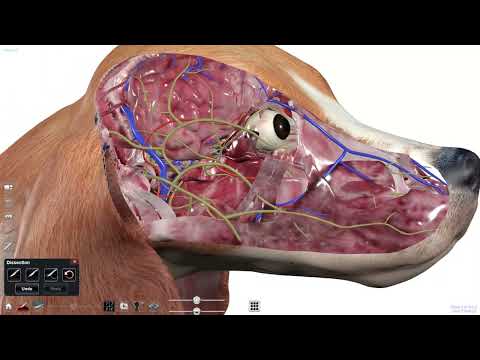
When you think about your dog, it’s easy to focus on their adorable face and wagging tail. But there’s so much more beneath the surface that impacts their health. Let’s break down some of the key aspects of canine anatomy.
The Skeletal System
Dogs have bones just like we do—over 200 of them actually! These bones provide structure, protect vital organs, and help pups move around. The femur, which is the thigh bone, is one of the largest. Think of it as a sturdy support beam in a building.
Now, just like humans can suffer from fractures or arthritis, dogs can too. It’s important to monitor their movement and activity levels to catch any issues early.
The Muscular System
Muscles work with bones to allow dogs to run, jump and play. For example, the biceps in dogs are similar to ours; they help flex the arm and bring food closer when they’re munching treats. Regular exercise keeps these muscles strong.
If your furry friend seems less energetic or struggles with movement, it might be time for a check-up.
The Digestive System
Dogs eat differently than us; they have shorter intestines suited for meat-based diets. Their stomach can also handle raw food better than ours—thanks to strong acids that help break things down.
A healthy diet plays a huge role in keeping their digestive system running smoothly. Just like we feel sluggish after heavy meals, dogs can too!
The Respiratory System
Your dog’s nose is more than cute—it plays a critical role in their breathing! Dogs inhale through their noses where air gets filtered before hitting their lungs. This helps them smell everything around them way better than humans!
If you notice coughing or labored breathing in your buddy—those could be signs that something isn’t right.
The Circulatory System
This system is all about keeping blood flowing throughout your dog’s body—not unlike how highways connect different cities! The heart pumps blood while veins carry it back from the body’s tissues.
A healthy heartbeats count is vital; usually somewhere between 60-160 beats per minute depending on size and breed. Keep an eye on changes here too—it might signal underlying health issues!
The Importance of Regular Check-Ups
Taking care of your pet means understanding all aspects of their anatomy while also ensuring regular vet visits for check-ups and vaccinations. Just like us folks sometimes need that extra nudge from professionals!
- Watch for unusual behavior: Is your dog eating less? Acting lethargic?
- Stay aware: Knowing normal behavior patterns helps spot problems sooner rather than later.
- Treatments: When health issues arise, prompt treatment can lead to better outcomes—similar principles apply across species!
Caring for our canine companions really involves understanding them at a deeper level—both emotionally and physically! By being attentive to their anatomy and behaviors, we ensure they lead happy and healthy lives alongside us!
Unlocking the Secrets of Canine Strength and Movement
Understanding Canine Anatomy for Better Pet Health Care
When we talk about dogs, their strength and movement are pretty amazing. But to appreciate that, it’s essential to understand a bit about canine anatomy. You know, how their bodies are built plays a key role in how they move and stay healthy.
The Basics of a Dog’s Body
A dog’s body is made up of several parts: bones, muscles, tendons, and ligaments. Think of it like a car. You have the framework (bones), the engine (muscles), and various components holding everything together (tendons and ligaments). Without any one part working well, the whole system can struggle.
- Bones: They provide structure and protect vital organs.
- Muscles: These are the engines that create movement.
- Tendons: Connect muscles to bones, allowing us to move those bones.
- Ligaments: These connect bones to other bones at joints—think of them as stabilizers!
The Role of Muscles in Movement
Dogs have different types of muscles that help them do various activities. Some muscle groups support running or jumping, while others help them hold their bodies still when lying down or standing guard. Imagine trying to walk on two legs if one group of muscles just decided not to work! It’d be tough.
You might notice that some dogs are built differently; like Greyhounds are super lean for speed while Bulldogs are stockier for strength. This variation reflects their muscle fibers’ composition—some excel in endurance while others in power.
Getting into the Joints
The joints are kind of like movable links between the bones. They allow motion but also need support from surrounding muscles and ligaments. Ever seen a dog with stiff legs? Well, joint health is crucial for overall mobility! Regular check-ups can help catch any issues early on.
The Importance of Exercise
You know how humans feel better after some exercise? The same goes for dogs! Regular activity helps maintain good muscle tone and keeps joints flexible. Think about taking your dog out for walks or playtime—it benefits both you and your furry friend!
- Poor exercise may lead to muscle atrophy (that’s when muscles get weaker) over time.
- This can make everyday movements painful or difficult for dogs as they age.
#Common Myths About Canine Strength
A common myth is that only large breeds need serious exercise—when honestly every dog benefits from regular activity tailored to their needs! Small breeds can also build strength through playtime; they aren’t just lap companions!
An additional misconception is that an active dog doesn’t require much rest. Rest is vital too! After all, dogs need recovery time just like we do after hitting the gym hard!
Caring for Your Canine Friend
A deeper understanding of canine anatomy helps ensure proper care for your pet’s health & well-being. Paying attention to how they move can alert you if something’s off—for example limping or hesitation on stairs could signal discomfort or injury!
In daily life with your pup: watch their movement patterns closely especially during playtime or going up/down stairs—these small things can tell you volumes about their health status!
Unleashing the Secrets of Canine Strength and Movement
Understanding Canine Anatomy for Better Pet Health Care
Hey there! Let’s talk about our furry friends and their amazing bodies. Dogs are incredible athletes, and understanding their anatomy can really help us take better care of them.
The Basics of Canine Anatomy
A dog’s body is made up of several parts working together, kind of like a well-oiled machine. They have muscles, bones, ligaments, and tendons all playing their roles in movement. Just think about how you feel when you’re running or jumping. Dogs feel that too!
- Muscles: These are the engines that allow movement. Strong muscles help dogs run faster and play harder.
- Bones: These provide structure and support. Without bones, dogs would be like jelly!
- Ligaments: They connect bones to other bones. Ligaments help hold everything in place during action.
- Tendons: Tendons connect muscles to bones. So when a muscle pulls, it moves the bone.
The Importance of Joint Health
If you’ve ever had an ache or pain in your joints, you know how uncomfortable it can be—dogs feel this too! Joints are where two or more bones meet. They allow fluid movement but can also wear down over time.
A condition called arthritis is common in older dogs; it’s basically wearing down those pesky joints over time. Recognizing symptoms like limping or difficulty getting up can really help us respond quickly for better care.
The Role of Exercise
You might’ve noticed that your dog loves to play fetch or go on long walks—that’s because exercise is crucial for maintaining strong muscles and healthy joints! Regular activity supports a healthy weight and improves overall health.
It’s like how we need to stay active to keep fit and agile! Too much inactivity can lead to obesity which puts stress on their joints.
Nutrition Matters Too
The right diet plays a huge role in canine strength as well. Think about it: just like you wouldn’t fuel a car with bad gas, poor nutrition affects your dog’s performance too!
- Protein: Essential for muscle growth and repair.
- Vitamins & minerals: Help with overall health including joint health–vitamin D is super important here!
- Avoiding fillers: Ingredients that don’t offer much nutritional value should be kept at bay.
Sensing Pain in Dogs
You know how sometimes we hide our pains? Dogs do this too—they might not show obvious signs but could be in discomfort due to underlying issues with any part of their anatomy mentioned above.
If your dog seems less playful than usual or avoids certain activities they once enjoyed, it could signal something isn’t right—maybe it’s time for a vet visit!
Caring for Your Dog’s Movement and Strength
Caring means keeping an eye on changes in behavior while providing proper nutrition and regular exercise tailored for their breed & age. Each dog is unique! Knowing their individual quirks really helps maintain overall pet well-being.
– Remember: Understanding canine anatomy goes beyond curiosity—it leads us towards healthier happier pets!
Understanding canine anatomy is crucial for any pet owner who wants to ensure their furry friend’s health and well-being.
Canine anatomy encompasses the structure of dogs’ bodies, including bones, muscles, organs, and systems. This knowledge helps owners recognize signs of illness or injury. For instance, knowing where a dog’s heart or lungs are located can help in understanding symptoms like coughing or difficulty breathing.
Moreover, it allows for better communication with veterinarians. When you understand basic anatomy, you can describe your dog’s symptoms more accurately. This leads to quicker diagnoses and treatments.
A keen awareness of how a dog’s body works can also guide you in choosing the right diet and exercise regimen tailored to your pet’s unique needs. Different breeds may have different anatomical considerations that affect their overall care.
This understanding fosters a deeper bond with your pet because it shows that you’re invested in their well-being. Just as we learn about human health to make informed decisions, educating ourselves about our pets’ anatomy is equally important.
In essence, knowing canine anatomy isn’t just for vets; it’s a shared responsibility between owners and professionals. The better we understand our pets’ bodies, honestly the better we can care for them.