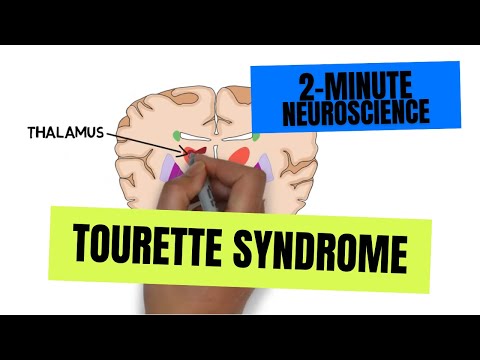
Tourette Syndrome (TS) is a fascinating and often misunderstood neurological condition that affects how some individuals control their movements and speech. Imagine your brain as a busy city, filled with cars zipping around. For those with Tourette Syndrome, some of these cars take unexpected detours or honk at inopportune times. These “detours” manifest as tics—sudden, repetitive movements or sounds that seem to happen without control.
Understanding the symptoms of Tourette’s is the first step toward empathy and support for those affected. Tics can vary widely; they may include blinking, head jerking, or even uttering certain sounds or words. While it can be challenging for both individuals and their loved ones, TS is just one part of who a person is.
Solutions involve more than medical interventions; they also include behavioral strategies and support systems that promote understanding and acceptance. The journey may have its ups and downs, but many with Tourette’s lead fulfilling lives.
However, it’s crucial to approach this topic responsibly. Everyone’s experience with Tourette Syndrome is unique, and there’s a lot of misinformation out there. Always seek reliable information from healthcare professionals or reputable resources. Engaging with diverse specialists can provide comprehensive insights into the condition and its management.
Let’s explore this together—with curiosity! Understanding TS helps break down barriers and fosters a compassionate community where everyone can thrive.
The information provided in this article is intended solely for general informational and educational purposes. It does not constitute medical advice, diagnosis or professional treatment, and should not be considered a substitute for consultation with a qualified doctor or other licensed healthcare professional. Any health-related decisions should be made in consultation with accredited medical professionals.
While efforts have been made to ensure the information is accurate and up to date, no guarantees are given—either express or implied—regarding its accuracy, completeness, currency or suitability. Use of this information is at your own discretion.
It is strongly recommended to consult official sources such as the NHS (National Health Service) or other recognised medical institutions before acting on any information contained on this website or article. Under no circumstances should professional medical advice be ignored or delayed due to content read here.
This content is of a general and informational nature only. It is not intended to replace individualised guidance from a healthcare professional or to establish any doctor-patient relationship. The publication of this information does not imply any professional responsibility, guarantee or obligation on the part of the author or this site.
Exploring Effective Solutions for Managing Tics and Enhancing Daily Life
Tourette Syndrome is a neurological condition that often involves involuntary movements and sounds, known as tics. Understanding this can help in finding effective ways to manage them.
Tics can be motor, like blinking or head jerking. They can also be vocal, such as throat clearing or making noises. These symptoms usually appear in childhood and may change over time.
Managing tics involves several approaches. Here are some effective solutions:
Support from family and friends is crucial. Open communication can create a more understanding environment that respects the individual’s experiences.
It’s important to remember that every person’s experience with Tourette Syndrome is unique. What works for one person might not work for another.
Education plays a vital role in managing Tourette Syndrome effectively. Learn about the condition and recognize the triggers for tics.
Consider joining support groups where individuals share their experiences and coping strategies. This connection can provide comfort and practical advice.
A key point to remember: Tics may fluctuate over time. There might be periods of improvement followed by times when they seem worse.
Staying positive, while realistic about challenges, helps in creating an encouraging atmosphere for those affected by Tourette Syndrome.
In summary, while managing tics presents challenges, various strategies exist that enhance daily life significantly. Patience and persistence are essential in navigating this journey effectively.
Exploring the Everyday Realities and Triumphs of Living with Tourette’s Syndrome
Living with Tourette’s Syndrome can be challenging, but it also brings unique triumphs. Understanding these everyday realities helps foster empathy and support for those affected.
Tourette’s Syndrome is often misunderstood. It’s a neurological condition characterized by tics, which are sudden movements or sounds. These can range from simple eye blinks to more complex jerks or utterances.
Many people think of Tourette’s as solely involving swearing. This is not true for most individuals. Only a small percentage experience coprolalia, the involuntary utterance of swear words or offensive remarks.
Everyday life can feel like an obstacle course for someone with Tourette’s. Tics often increase with stress or excitement, making social situations tricky. Imagine trying to concentrate on a conversation while your body has other plans.
Support systems are vital. Friends and family play a big role in helping someone manage their tics. Understanding that tics aren’t intentional can reduce frustration for everyone involved.
Education also matters. Schools that promote awareness and acceptance create safer spaces for children with Tourette’s. This reduces bullying and fosters understanding among peers.
Treatment options exist but vary widely by individual need. Some people find relief through behavioral therapy, while others may benefit from medication. It’s important to work closely with healthcare providers to find the right approach.
Mindfulness techniques can be helpful too. Simple practices like deep breathing or meditation may help some manage their tics during stressful moments.
Living with Tourette’s isn’t only about challenges—there are many triumphs to celebrate too! Many individuals channel their experiences into creativity, excelling in art, writing, or performance.
Connecting with support groups can provide immense comfort as well. Sharing stories with others who face similar experiences helps lessen feelings of isolation.
In summary, living with Tourette’s involves navigating ups and downs daily. With informed support and understanding from family, friends, and communities, those affected can lead fulfilling lives filled with achievements worth celebrating!
Unraveling the Mysteries of a Complex Condition
Tourette Syndrome is a complex neurological condition. It often manifests in childhood. Understanding it can feel like unraveling a mystery.
People with Tourette’s experience involuntary movements and sounds called tics. These tics can be motor or vocal. Motor tics might include eye blinking or head jerking. Vocal tics could be throat clearing, grunting, or even repeating words.
The prevalence of Tourette’s varies. It affects around 1 in every 160 children, though many may not seek help. Boys are diagnosed more often than girls.
Symptoms usually begin between the ages of 5 and 10. Tics may wax and wane over time, meaning they can get better or worse. This fluctuation can be confusing for families.
Many factors influence the severity of tics, including stress and excitement. For some kids, tics might become less noticeable during periods of calm focus.
Tourette’s is often accompanied by other conditions like ADHD and OCD. This is important for families to consider when seeking support.
Diagnosis typically involves observing the symptoms over time. There are no specific tests to confirm Tourette’s; it relies on clinical assessment by experienced professionals.
When it comes to management, options vary widely. Behavioral therapies such as Cognitive Behavioral Therapy (CBT) can help some people cope with their tics.
For others, medication might be appropriate if the tics interfere with daily life significantly. It’s essential to approach this decision carefully and thoughtfully.
Education plays a crucial role in understanding Tourette’s. Families should learn about the condition together, fostering an atmosphere of acceptance at home and school.
Busting common myths is also vital:
Support from family and friends makes a huge difference for those affected by Tourette’s. Creating a supportive environment helps them navigate daily challenges confidently.
Awareness campaigns also contribute greatly to understanding this condition better within society as a whole.
In conclusion, while Tourette Syndrome presents challenges, it’s essential to remember that each person’s experience is unique. Knowledge empowers families and communities to make informed decisions about support and treatment options available for those living with this condition.
Understanding Tourette Syndrome (TS) is crucial for fostering empathy and support for those affected. TS is a neurological disorder characterized by repetitive, involuntary movements and vocalizations called tics. These symptoms can vary greatly in intensity and frequency, often leading to misunderstandings about the condition.
First and foremost, it’s important to note that TS is not a reflection of a person’s intelligence or character. Tics can be motor—like blinking or head jerking—or vocal, such as throat clearing or shouting. For many individuals, these tics may wax and wane over time.
Education plays a key role in dispelling myths. Many believe that Tourette’s is solely about swearing (a symptom known as coprolalia), but this affects only a minority of individuals with the syndrome. Recognizing the broader range of tics helps build compassion.
Support systems are vital. Therapy options, including behavioral therapies like Comprehensive Behavioral Intervention for Tics (CBIT), can help manage symptoms. In some cases, medication may be necessary to alleviate severe tics.
Effective communication with schools and workplaces can foster understanding and provide accommodations. This approach helps create an inclusive environment that allows individuals with TS to thrive without stigma.
Finally, connecting with support groups offers valuable resources for both individuals living with TS and their families. This shared experience cultivates resilience and community support.
In summary, understanding Tourette Syndrome involves recognizing its complex nature while promoting education and empathy. By doing so, we enhance the lives of those affected by this condition and foster a more accepting society.