The information provided in this article is intended solely for general informational and educational purposes. It does not constitute medical advice, diagnosis or professional treatment, and should not be considered a substitute for consultation with a qualified doctor or other licensed healthcare professional. Any health-related decisions should be made in consultation with accredited medical professionals.
While efforts have been made to ensure the information is accurate and up to date, no guarantees are given—either express or implied—regarding its accuracy, completeness, currency or suitability. Use of this information is at your own discretion.
It is strongly recommended to consult official sources such as the NHS (National Health Service) or other recognised medical institutions before acting on any information contained on this website or article. Under no circumstances should professional medical advice be ignored or delayed due to content read here.
This content is of a general and informational nature only. It is not intended to replace individualised guidance from a healthcare professional or to establish any doctor-patient relationship. The publication of this information does not imply any professional responsibility, guarantee or obligation on the part of the author or this site.
Have you ever felt uncomfortably bloated or dizzy after a meal? You’re not alone. Many people experience similar feelings. One condition that might be at play is dumping syndrome.
This isn’t just a fancy term; it can significantly impact your daily life. Imagine enjoying your favorite meal, but then feeling tired and nauseous shortly after eating. Frustrating, right?
Diving into this topic matters because understanding dumping syndrome can help you recognize symptoms early and seek appropriate care. It’s about feeling better and making informed decisions about your health.
In this article, we’ll talk about what dumping syndrome is, its symptoms, causes, and how to manage it effectively. We want you to have clarity on this condition, so it doesn’t catch you off guard.
Always remember: while this information is useful, it doesn’t replace professional medical advice. It’s important that health decisions be made with the guidance of a healthcare professional.
Understanding the Triggers and Solutions for Managing Dumping Syndrome Naturally
Understanding Dumping Syndrome
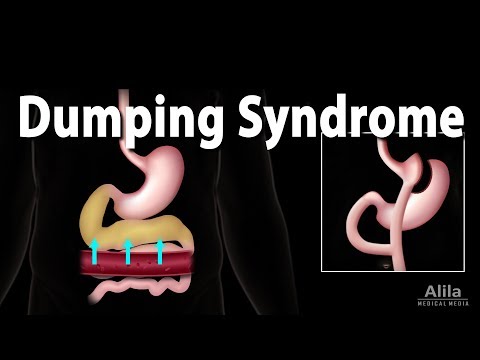
Dumping syndrome is something that can happen after certain surgeries, like gastric bypass. The stomach gets rid of food too quickly into the small intestine. This can cause a range of symptoms, which are pretty uncomfortable.
Common Symptoms
- Nausea and vomiting
- Diarrhea or loose stools
- Abdominal cramps
- Dizziness or lightheadedness
- Rapid heartbeat
- Feeling faint or weak
These symptoms often show up after eating, usually within 30 minutes or so. Imagine eating a big meal and then feeling like you need to rush to the bathroom—that’s what it can feel like.
What Causes It?
The main trigger is how food moves through your digestive system. After surgery, when the stomach is smaller, things don’t work quite right. Food goes in fast and sugar hits the bloodstream quickly, leading to those unpleasant symptoms.
You know how you might feel sluggish after a heavy dessert? Well, with dumping syndrome, it’s more intense because your body reacts strongly to that quick influx of sugar.
Naturally Managing Dumping Syndrome
If you’re looking for ways to manage this condition without relying solely on medications, there are some strategies that might help:
- Eatin small meals: Try breaking down meals into smaller portions throughout the day instead of three big ones.
- Avoid high-sugar foods: Sugary snacks or drinks can worsen symptoms. Opt for foods higher in fiber instead.
- Pace yourself: Take your time when eating; chewing well can slow down digestion and help with absorption.
- Add protein and healthy fats:This helps stabilize blood sugar levels—think eggs or avocados!
- Sit up after meals:Taking some time upright (like 30 minutes) might help reduce symptoms.
The thing is that everyone is different. What works for one person may not work for another—so experimenting gently could lead you to find what’s best for you.
A Word on Hydration
Your body still needs fluids! Try drinking water between meals rather than during them; this can ease discomfort too.
If Symptoms Persist…
If you’ve tried managing symptoms at home but nothing seems to improve, it’s wise to check in with a healthcare provider. They can help evaluate if there’s something else going on that requires attention. Getting support is important—you don’t have to go through it alone!
Coping with Dumping Syndrome
Living with dumping syndrome may require adjustments in diet and routine—don’t stress! Many people find their rhythm over time. Just remember: listening to your body sets a solid foundation for managing your health naturally!
Finding Relief and Regaining Your Well-Being After Surgery
Understanding Dumping Syndrome
So, you’ve just had surgery—maybe a gastric bypass or another procedure related to your digestive system. It’s not unusual to feel a bit off afterward. One thing you might experience is dumping syndrome. Let’s break it down.
What is Dumping Syndrome?
Okay, imagine you eat a meal and your stomach suddenly decides to dump everything into the small intestine very quickly. That’s dumping syndrome. It happens when food moves too fast from the stomach into the intestine, causing a variety of symptoms.
Symptoms You Might Notice
You could notice some pretty uncomfortable symptoms. What are they? Well:
- Nausea and vomiting
- Cramps or abdominal pain
- Dizziness or lightheadedness
- A rapid heartbeat
- Diarrhea
This can happen soon after eating (the early phase) or even later on (the late phase), sometimes several hours after eating.
Why Does it Happen?
The thing is, after surgery, especially if parts of your stomach have been altered, your body needs time to adjust. It’s like teaching a child to ride a bike; they may wobble at first! Your digestive system might simply respond overzealously to what you eat.
Caring for Yourself Post-Surgery
This new chapter requires some attention on how you eat and what you eat. Here are some strategies:
- Small meals: Try eating smaller amounts throughout the day instead of big meals.
- Avoid sugar: Foods high in sugar might trigger those dumping sensations more often.
- Please chew well: Take your time with each bite—palate every flavor!
- Add fiber: Including soluble fiber can help slow digestion.
The Emotional Side of Recovery
Surgery isn’t just physical; it messes with your emotions too! Feeling frustrated about changes in how you eat is totally normal. You’re redefining habits that have been in place for years. Be gentle with yourself during this adjustment period.
A Little Reminder about Seeking Help
If symptoms persist or worsen—and they might—it’s smart to reach out for support from health care providers, nutritionists or support groups where others share their experiences too. Sometimes just knowing you’re not alone makes all the difference.
Your Path Forward
The journey back to feeling like yourself again can take time—time for both body and mind to heal together. Patience is key! Just remember that regaining well-being post-surgery involves understanding these new reactions and working through them one step at a time.
Your body has been through significant changes; give it room to adjust while finding what works best for you in terms of nutrition and comfort after surgery!
Unraveling the Triggers Behind Rapid Gastric Emptying
Understanding Rapid Gastric Emptying
Rapid gastric emptying, often linked with dumping syndrome, can be both confusing and unsettling. So, what does it really mean when we say food empties quickly from the stomach?
Think of your stomach as a blender. Normally, it processes food at just the right speed. But in dumping syndrome, that blender works too fast, sending food into the small intestine before it should.
Symptoms of Dumping Syndrome
When food rushes into the intestine too quickly, your body reacts. You may feel a wave of symptoms:
- Nausea and vomiting
- Bloating or cramping
- Dizziness or lightheadedness
- Rapid heartbeat
- Diarrhea shortly after eating
These symptoms can hit anywhere from minutes to a couple of hours after eating—kind of like a surprise attack on your system!
What Causes It?
The main cause is often surgical procedures like gastric bypass. But sometimes other factors come into play:
- A diet high in sugars or simple carbs.
- Lack of fiber in meals.
- Certain medical conditions like diabetes.
Your stomach might be sensitive because it’s trying to adjust to changes made during surgery or due to other health issues.
Caring for Dumping Syndrome
If you think you might have this condition, changing how you eat can help manage symptoms. Small adjustments can make a big difference:
- Eat smaller meals throughout the day.
- Avoid sugary foods that cause rapid dumping.
- Add more protein and fiber to your diet.
You might also want to consider how you eat—taking time to chew well and avoid drinking fluids right before meals can help slow things down.
When To Seek Help?
If you experience persistent symptoms or they worsen over time, it’s crucial to reach out for professional help. Sometimes further assessment is needed to rule out underlying causes.
Myths And Misunderstandings
A common myth is that only obese individuals experience dumping syndrome. Fact is, anyone who has had certain gastrointestinal surgeries can face this issue regardless of their weight. Another misconception? That all cases require strict dietary restrictions; many find relief with minor modifications instead!
Your Journey Matters
You know? Dealing with rapid gastric emptying may feel overwhelming at times but understanding what’s happening in your body helps! Each person’s experience is different; listen closely to what yours tells you while being kind with yourself along the way.
Dumping syndrome is something that can catch many people off guard, especially after stomach surgery. It occurs when food moves too quickly from your stomach to your small intestine. This rapid movement can cause various symptoms, which can be quite uncomfortable.
Symptoms often include nausea, diarrhea, abdominal cramps, and even dizziness right after eating. Imagine eating a meal, and within minutes, feeling like you need to run to the bathroom! This can happen because the body struggles to adjust to changes in digestion.
There are a few causes for dumping syndrome. Most commonly, it arises after surgeries like gastric bypass, where parts of the stomach or intestine are bypassed. When this happens, the regular digestive process gets disrupted. Sometimes it’s related to specific conditions like diabetes or certain gastrointestinal disorders.
Caring for someone with dumping syndrome requires awareness and adjustments in diet. Small meals that are low in sugar and high in protein can help manage symptoms. This is really about finding what works best for each person since everyone’s experience might differ.
Education and support play a key role here. Understanding how food affects digestion can empower individuals to take control of their health. If someone is struggling with these symptoms, professional advice and guidance are crucial.
Overall, while dumping syndrome can be challenging, knowing its symptoms and causes helps individuals cope better with their condition.