The information provided in this article is intended solely for general informational and educational purposes. It does not constitute medical advice, diagnosis or professional treatment, and should not be considered a substitute for consultation with a qualified doctor or other licensed healthcare professional. Any health-related decisions should be made in consultation with accredited medical professionals.
While efforts have been made to ensure the information is accurate and up to date, no guarantees are given—either express or implied—regarding its accuracy, completeness, currency or suitability. Use of this information is at your own discretion.
It is strongly recommended to consult official sources such as the NHS (National Health Service) or other recognised medical institutions before acting on any information contained on this website or article. Under no circumstances should professional medical advice be ignored or delayed due to content read here.
This content is of a general and informational nature only. It is not intended to replace individualised guidance from a healthcare professional or to establish any doctor-patient relationship. The publication of this information does not imply any professional responsibility, guarantee or obligation on the part of the author or this site.
Understanding Carpal Tunnel Syndrome: Symptoms and Care
Have you ever felt that tingling sensation in your fingers after spending hours on your computer? It’s actually more common than you think. Carpal tunnel syndrome can sneak up on anyone, and it often begins with something as simple as typing or texting.
This condition happens when the median nerve, which runs from your forearm into the palm of your hand, gets squeezed. It might sound a bit scary, but don’t worry! The good news is that understanding what’s going on can help you take the right steps to feel better.
In this article, we’ll walk through the symptoms of carpal tunnel syndrome and discuss different ways to manage it. We’ll also touch on some practical care tips that could make a big difference in your daily routine.
Keep in mind that while this content aims to provide helpful information, it’s not a substitute for professional medical advice. Always check with a healthcare professional before making any health decisions. So let’s dive in and learn more about this common but manageable condition!
Uncovering Hidden Causes of Wrist Pain You Need to Know About
Understanding Wrist Pain and Its Hidden Causes
Wrist pain can be frustrating, right? Sometimes it’s easy to blame it on overuse, but there are hidden causes that many people overlook. One common culprit is Carpal Tunnel Syndrome (CTS), which happens when the median nerve gets compressed as it travels through the wrist.
What Is Carpal Tunnel Syndrome?
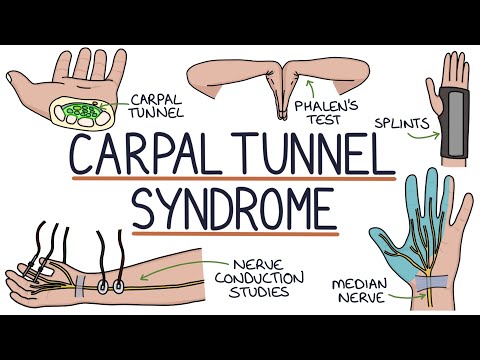
Imagine a tunnel and a cable running through it. In your wrist, that tunnel is formed by bones and ligaments, while the cable is the median nerve. When this tunnel gets narrow or swollen, it can pinch the nerve and cause various symptoms.
Symptoms to Look Out For
- Numbness or tingling in your fingers
- Pain that travels up to your elbow
- Weakness in grasping objects
- A burning sensation in your hands
If you’ve ever woken up with tingling fingers after sleeping awkwardly — that’s a similar sensation!
Other Possible Causes of Wrist Pain
Now, while CTS gets a lot of attention, other factors can contribute to wrist pain too. For example:
- Tendonitis:This occurs when tendons become inflamed due to repetitive motions.
- Arthritis:This involves joint inflammation, causing stiffness and swelling.
- Sciatica or Pinched Nerve:Pain in the wrist may sometimes stem from issues higher up in the arm or even neck!
Caring for Your Wrists
Taking care of your wrists is crucial, especially if you spend hours typing or using handheld devices. Simple adjustments can make a big difference. Pay attention to ergonomics — things like hand positioning when you type or using cushions might help ease discomfort.
When Should You Seek Help?
If wrist pain lingers for more than a few days despite home care efforts, it might be time to talk with someone who knows more about it. Look out for severe symptoms like inability to move your wrist or unexpected swelling.
A Note on Prevention
You know what they say: “An ounce of prevention is worth a pound of cure.” Regular breaks during repetitive tasks can help avoid issues before they start. Stretching your hands and wrists frequently during those tasks may also be beneficial!
The thing with wrist pain is that there isn’t always one clear answer. Each person’s experience can differ based on their activities and medical history. So keep an open mind about potential contributing factors; understanding them could lead you down the right path toward relief!
Discover the Signs and Take Control of Your Comfort
Understanding Carpal Tunnel Syndrome
Carpal Tunnel Syndrome, or CTS, is a common condition that affects the wrist. It occurs when the median nerve, which runs through a narrow passageway in your wrist called the carpal tunnel, gets compressed. You might be wondering why this matters. Well, that nerve is responsible for feeling in your fingers and controlling some hand movements.
Signs to Watch For
So, how do you know if you have CTS? There are several signs you should look out for:
- Numbness or tingling in the thumb and first three fingers.
- Pain that radiates up your arm.
- Weakness when gripping objects.
- A “pins and needles” sensation that often worsens at night.
If you’ve ever woken up shaking your hand because it felt numb, that’s a classic symptom! It can really affect daily tasks—like typing on a keyboard or holding a phone.
What Causes This Condition?
The thing is, many factors can lead to carpal tunnel syndrome. Repetitive movements like typing or using tools can strain your wrist over time. Sometimes, health conditions like arthritis or diabetes also contribute. In some cases, pregnancy can cause swelling that puts pressure on the nerve.
Caring For Yourself
If you’re experiencing symptoms of CTS, there are ways to take control of your comfort:
- Resting Your Hands: Give yourself breaks from repetitive tasks to prevent further strain.
- Wrist Splints: Wearing a splint at night can keep your wrist straight and reduce pressure on the median nerve.
- Icing: Applying ice may help relieve swelling and pain in the affected area.
You know those little adjustments? They could make a big difference. Stretching exercises specifically for your hands and wrists can also help to ease discomfort over time!
When to Seek Help
If home care doesn’t provide relief after several weeks—or if symptoms worsen—it may be time to reach out for professional advice. Sometimes more involved treatments like physical therapy or even surgery could be options if conservative measures aren’t helping.
A Quick Recap
You deserve to feel comfortable with what you’re experiencing in your hands! Recognizing symptoms early lets you act sooner rather than later. Take note of signs like numbness or pain and give yourself a break when needed. After all, caring for yourself is super important!
Uncovering the Hidden Triggers Behind Your Hand Discomfort
Understanding Hand Discomfort
Hand discomfort can sometimes be tricky to pin down. It might feel like a dull ache, tingling, or even occasional numbness. These sensations can make it difficult to do everyday tasks, which is frustrating. You know how it goes—like trying to use your phone with fingers that just won’t cooperate.
What is Carpal Tunnel Syndrome?
One common cause of hand discomfort is Carpal Tunnel Syndrome (CTS). This happens when the median nerve—a key nerve running from your forearm into the palm—is compressed as it passes through a narrow passageway in your wrist called the carpal tunnel.
The median nerve controls feeling and movement in thumb and first three fingers. When it’s under pressure, you might experience sensations that are just plain annoying or even painful.
Recognizing Symptoms
- Tingling or “pins and needles” in the fingers
- Numbness that may radiate up your arm
- Pain in the wrist or hand, especially at night
- Weakness in grip strength—ever dropped something unexpectedly?
If you’ve noticed these symptoms showing up frequently, you’re not alone. Many people experience CTS at some point in their lives.
The Triggers Behind CTS
You might wonder what causes this compression of the median nerve. Various factors play into it:
- Anatomy: Some individuals have a smaller carpal tunnel by nature.
- Repetitive motions: Jobs that require prolonged gripping or repetitive wrist movements, like typing or assembly line work.
- Health conditions: Diabets, rheumatoid arthritis, or thyroid dysfunction can contribute to developing CTS.
- Pregnancy: Hormonal changes may lead to swelling around wrists during pregnancy, increasing risk.
Caring for Your Hands
If you’re dealing with hand discomfort related to CTS, there are steps you can take for relief:
- Take breaks: Periodically stop repetitive motions and stretch your hands and wrists.
- Splinting:You could try wearing a wrist splint at night to keep your wrist straight—this helps minimize pressure on the nerve while you sleep.
- Icing: Applying ice packs might help reduce swelling if there’s inflammation present.
- Coping strategies: A few changes in workspace ergonomics can also make a world of difference. Positioning keyboards at elbow height can reduce strain on wrists!
You know what? Sometimes it’s just about listening to your body. If hand discomfort persists or worsens over time, reaching out for additional help could be necessary!
The Importance of Awareness
No one likes being stuck with continuous pain in their hands; it’s essential to understand what’s causing it. Being aware of potential triggers allows for better management and coping strategies. Little things like changes in habits—noticing how much you’re gripping stuff—could go a long way toward comfort!
Understanding Carpal Tunnel Syndrome: Symptoms and Care
Carpal Tunnel Syndrome (CTS) is a common condition that affects many individuals, especially those who perform repetitive tasks. It occurs when the median nerve, which runs from the forearm into the hand, becomes compressed at the wrist. This can lead to various symptoms that can significantly affect daily life.
Symptoms often include tingling, numbness, and pain in the fingers or hand. Imagine having your hand “fall asleep” repeatedly—this is what many people with CTS experience. The pain might even extend up into the arm. It’s real frustrating when simple tasks like typing or holding objects become painful.
Caring for CTS typically involves a combination of methods. Non-surgical options include rest, wrist splints, and physical therapy. These approaches help reduce inflammation and relieve pressure on the nerve. Sometimes people find relief through over-the-counter medications like ibuprofen for inflammation.
If conservative treatments do not work, surgery may be considered to relieve pressure on the median nerve. It’s a common procedure and most people report improvement afterward.
The key takeaway here is recognizing symptoms early and seeking appropriate care can make a big difference in managing this condition effectively. Staying mindful of our hand health—especially if we often use them in repetitive ways—is super important!