The information provided in this article is intended solely for general informational and educational purposes. It does not constitute medical advice, diagnosis or professional treatment, and should not be considered a substitute for consultation with a qualified doctor or other licensed healthcare professional. Any health-related decisions should be made in consultation with accredited medical professionals.
While efforts have been made to ensure the information is accurate and up to date, no guarantees are given—either express or implied—regarding its accuracy, completeness, currency or suitability. Use of this information is at your own discretion.
It is strongly recommended to consult official sources such as the NHS (National Health Service) or other recognised medical institutions before acting on any information contained on this website or article. Under no circumstances should professional medical advice be ignored or delayed due to content read here.
This content is of a general and informational nature only. It is not intended to replace individualised guidance from a healthcare professional or to establish any doctor-patient relationship. The publication of this information does not imply any professional responsibility, guarantee or obligation on the part of the author or this site.
Have you ever noticed a small bump on your wrist and wondered what it is? You’re not alone. Many people, at some point, might discover something unusual on their bodies and feel a bit anxious about it.
That’s where carpal boss comes in. It’s one of those conditions that sounds complicated, but honestly, it’s more common than you think. Carpal boss is a bony lump that appears on the back of your wrist. It can be bothersome or even painful at times.
This article will dive into the symptoms of carpal boss and explore effective treatments available to manage it. Understanding what you’re dealing with can make all the difference in how you approach your health.
The thing is, while this information can be really helpful, it’s important to remember that it doesn’t replace professional medical advice. Always consult a healthcare professional for personalized guidance because making health decisions shouldn’t rely solely on what you read online.
Let’s take a closer look at carpal boss together—you’ll gain clarity as we break it down step by step.
Unlocking Relief: Effective Solutions for Carpal Boss Discomfort
Understanding Carpal Boss
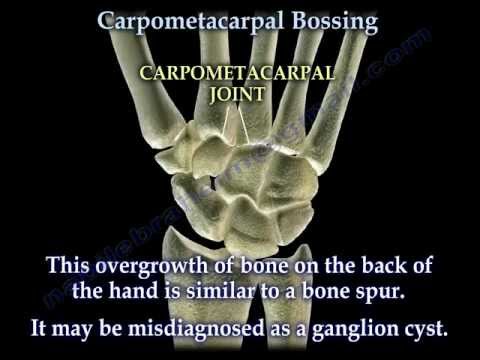
Carpal boss is a term that refers to a bony bump that can develop on the back of the wrist. It usually forms where the small bones of the wrist meet the bones in your hand. Think of it like an unexpected speed bump in a road—it can be annoying and cause discomfort.
Symptoms
People with carpal boss might experience pain or swelling around the bump. Sometimes, it’s just a dull ache; other times, it can feel sharp, especially when you move your wrist. You might also notice stiffness, particularly after periods of inactivity.
Interestingly, some folks don’t even feel anything at all. The bump can be more prominent in certain people based on their activity levels or occupations—like those who do repetitive motions with their wrists.
Effective Treatments
The good news is there are various ways to manage discomfort from carpal boss. Resting the affected wrist is crucial. Just like giving a tired muscle a break, allowing some time for rest may help reduce inflammation and pain.
Ice packs can also do wonders! Applying ice for about 15–20 minutes at a time may help decrease swelling and alleviate pain. Just remember to wrap ice in cloth—nobody wants frostbite!
Physical Therapy
If you’re struggling with ongoing discomfort, physical therapy might be beneficial. A therapist can work with you on specific exercises aimed at improving flexibility and strength in your wrists and hands.
Wrist Splints
An oft-overlooked but helpful approach is using wrist splints or braces during activities or while sleeping. These provide support and limit movement so your wrist has a chance to heal without excessive strain.
Surgical Options
If conservative methods don’t work over time, consulting with a healthcare provider about possible surgical options could be worth considering. Surgery typically aims to remove the bony growth if it’s causing significant pain or restricting movement.
The Bottom Line
Navigating carpal boss discomfort involves understanding its origins and symptoms and exploring treatment options tailored for you. Each person’s experience will vary; some may find relief quickly while others need more time or different approaches to manage their symptoms effectively.
Understanding the Risks and Realities Behind Carpal Boss
Carpal boss is a term you might not hear every day, but it’s a condition that affects some people’s wrists. It involves a bony lump that usually forms on the back of your hand, specifically where the wrist bones meet the fingers. It’s important to know what it is, its symptoms, and how it can affect you.
What Causes Carpal Boss?
So, what causes this bump? Often, it develops due to repetitive stress or overuse of your wrist. If you’ve got a job or hobby that requires lots of wrist movements—like typing or playing sports—you might be at risk. It’s kind of like wearing down a marble; with time and pressure, something starts to change shape.
Symptoms to Watch For
The most common symptom is the lump itself. You might notice tenderness when pushing on it or when moving your wrist. Honestly, it can be annoying but isn’t always painful. Sometimes you could feel stiffness in your wrist, which could interfere with daily activities.
Diagnosis: How Do You Know It’s Carpal Boss?
Your healthcare provider usually starts with a physical exam. They’ll check for tenderness and movement restrictions around your wrist. In some cases—if they think it’s necessary—they may order an X-ray to rule out other issues like arthritis or fractures.
Treatment Options
Treating carpal boss isn’t one-size-fits-all; it often depends on how severe your symptoms are. For mild cases, rest and over-the-counter pain relievers may help ease discomfort. Think of it like letting an athlete recover after too much training.
- Rest: Reducing activities that irritate your wrist is crucial.
- Physical Therapy: This can improve strength and flexibility in your wrist.
- Surgery: In more severe cases where conservative treatments fail, surgery may be considered to remove the lump.
The Importance of Listening to Your Body
If you notice any persistent aches or changes in your wrist function, it’s essential to pay attention. Ignoring these signs can sometimes lead to more significant issues down the road. Remember that everyone’s body reacts differently; what works for one person might not work for another.
Misperceptions About Carpal Boss
A common myth is that carpal boss always leads to chronic pain or problems down the line; that’s not necessarily true! Many people live with it without major inconveniences or complications. It’s good practice though—if you’re unsure about any symptoms—to consult with someone knowledgeable who can guide you appropriately.
Your Role in Managing Symptoms
You play an important part in managing carpal boss too! Maintaining good ergonomics while working at a desk or during sports can make a difference long-term. Simple adjustments like proper keyboard height or using supportive gear while active are steps worth considering.
Understanding the Hidden Risks and Myths Behind a Rare Tumor of the Wrist
Understanding Carpal Boss: A Rare Tumor of the Wrist
Carpal boss is a term you might not have heard before, but it’s important if you’re dealing with wrist pain. So, what exactly is it? The carpal boss refers to a bony lump that can develop on the back of your wrist. It’s usually near where your hand connects to your forearm.
Now, it’s not a tumor in the traditional sense. Instead, it’s an accumulation of bone and tissue. Imagine it like a small bump that grows over time, likely due to repetitive stress from activities like typing or playing sports.
Symptoms of Carpal Boss
You might be wondering: how do I know if I have this? Common symptoms include pain or swelling in the wrist area. Sometimes, there could be limited motion or even tenderness when you press on the bump. Think of it like having a small bruise—it’s noticeable but not alarming for most people.
Here’s something interesting: many folks with carpal boss don’t even realize they have it! It often doesn’t cause significant problems unless you’re using that wrist frequently or pushing through some heavy tasks.
Myths Surrounding Carpal Boss
There are some myths out there about carpal boss that can make things confusing. One common misconception is that every bump on the wrist needs surgery. That’s not necessarily true! Many cases can be managed with rest and therapy.
You might also hear people say these bumps are cancerous or harmful—a big misunderstanding! Carpal boss is benign, meaning it’s not cancerous and usually isn’t dangerous.
Treatments for Carpal Boss
If you find yourself struggling with discomfort from carpal boss, there are several routes to consider. Resting your wrist is often the first step; think of this like giving your body time to heal after exercise.
Sometimes physical therapy can help strengthen muscles around the area and alleviate some pain—it’s kind of like training for better support! In more stubborn cases where pain persists despite other treatments, a healthcare professional may discuss surgical options with you.
The Importance of Professional Advice
This point can’t be emphasized enough: just because some feel well outside pain doesn’t mean everything’s fine. If you’re experiencing issues with your wrist or suspect carpal boss, reaching out for guidance is crucial—everyone’s situation is unique!
- Don’t ignore persistent symptoms; they might need attention.
- Ask questions and educate yourself about treatment options available.
- Your lifestyle habits play a role; take breaks during repetitive activities!
The body has amazing healing capabilities but it also needs proper care! Understanding conditions like carpal boss helps demystify what’s happening in our bodies and empowers us to seek appropriate help when needed.
Understanding Carpal Boss: Symptoms and Effective Treatments
Carpal boss, while not a household term, refers to a bony bump that develops on the back of the wrist. It can seem pretty mysterious at first. Many people might notice some discomfort or swelling there, which can lead to confusion. The thing is, it often arises from overuse or arthritis in the wrist area.
The symptoms typically include pain during movement of the wrist and sometimes even stiffness. People may feel this nagging sensation when gripping objects or performing repetitive tasks like typing. It’s like your body saying, “Hey, slow down!” You know?
Effective treatments usually start with conservative approaches. Rest and ice can help reduce inflammation and discomfort initially. Sometimes splints are recommended to stabilize the wrist during the healing process. Physical therapy can also play a vital role; it helps improve flexibility and strength.
In some cases, if these methods don’t provide relief, options such as corticosteroid injections might be suggested to reduce inflammation further. Surgery comes into play when all else fails but is generally considered a last resort when quality of life is significantly impacted.
It’s crucial for anyone experiencing persistent wrist pain to consult a healthcare professional for an accurate diagnosis and personalized treatment plan. Emphasizing prevention through ergonomic adjustments in daily activities can make a big difference too.
Overall, understanding carpal boss helps demystify this condition and encourages proactive management options for those affected by it.