The information provided in this article is intended solely for general informational and educational purposes. It does not constitute medical advice, diagnosis or professional treatment, and should not be considered a substitute for consultation with a qualified doctor or other licensed healthcare professional. Any health-related decisions should be made in consultation with accredited medical professionals.
While efforts have been made to ensure the information is accurate and up to date, no guarantees are given—either express or implied—regarding its accuracy, completeness, currency or suitability. Use of this information is at your own discretion.
It is strongly recommended to consult official sources such as the NHS (National Health Service) or other recognised medical institutions before acting on any information contained on this website or article. Under no circumstances should professional medical advice be ignored or delayed due to content read here.
This content is of a general and informational nature only. It is not intended to replace individualised guidance from a healthcare professional or to establish any doctor-patient relationship. The publication of this information does not imply any professional responsibility, guarantee or obligation on the part of the author or this site.
Understanding Myoma: Symptoms, Causes, and Effective Treatments
Have you ever felt a strange heaviness in your abdomen or experienced unexpected bloating? It could be more common than you think. Myomas, also known as fibroids, are non-cancerous growths that many women face at some point in their lives. They can range in size from tiny seeds to big oranges.
You might be asking yourself why this matters. Simply put, understanding myomas is crucial because they can affect your overall well-being and daily life. Some women remain completely unaware they have them—while others feel significant symptoms that impact everything from comfort to fertility.
This article will dive into the symptoms you might encounter with myomas, the potential causes behind them, and the effective treatments available today. Remember, this information is here to inform you—but it doesn’t replace medical advice. It’s always important to consult a healthcare professional before making any health decisions based on what you read.
Understanding the Risks of Fibroid Sizes and Their Impact on Your Health
Understanding Fibroids: What Are They?
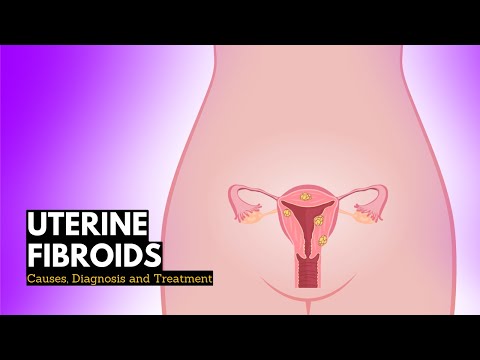
Fibroids, also known as uterine myomas or leiomyomas, are non-cancerous growths in the uterus. Most of the time, they don’t cause any symptoms. They can appear in various sizes, from tiny pea-sized bumps to larger ones that can be quite sizable.
What Causes Fibroids?
The exact cause of fibroids isn’t fully understood. Hormones play a big role; specifically, estrogen and progesterone promote their growth. You know? That’s why they often shrink after menopause when these hormone levels drop.
Symptoms You Might Notice
Many people with fibroids don’t have symptoms. But if you do experience problems, they can include:
- Pain during menstruation
- Heavy periods
- Pain during intercourse
- Frequent urination
- Bloating or pressure in the abdomen
The Impact of Fibroid Size on Health
The size of fibroids can significantly affect your health and quality of life. Larger fibroids might lead to more severe symptoms like heavy bleeding or pain. For example, a small fibroid may just sit quietly without bothering you at all.
Size Categories
You can think of fibroid sizes generally as:
- Small: less than 1 inch (about 2.5 cm)
- Medium: between 1 and 4 inches (about 2.5 – 10 cm)
- Llarge: more than 4 inches (over 10 cm)
Your Body’s Response to Size Changes
If you’ve got larger fibroids, your body might react more strongly compared to smaller ones. This could mean heavier bleeding or discomfort over time.
Treatments Based on Size and Symptoms
Treatment options differ based on size and symptoms you experience. If fibroids are small and asymptomatic, monitoring might be all that’s needed! But when they grow large enough to make life uncomfortable, doctors may suggest medication or even surgery.
The Myths Around Fibroid Treatment Options
You’ll hear lots about different treatments for fibroids—everything from herbal remedies to surgical procedures—but it’s important not to jump into conclusions without checking credible sources.
Your Health Matters Most!
If you’re worried about fibroid size or the symptoms you’re experiencing, it’s crucial that you reach out for support from a healthcare professional who genuinely understands your concerns and needs.
Understanding the Signs Your Body May Be Sending You
Hey there, let’s chat about something important that often goes unnoticed—how our bodies communicate. It’s pretty fascinating when you think about it. Our bodies give us signals all the time, and sometimes we just ignore them.
What Are Myomas?
You might have heard the term “myoma,” which refers to non-cancerous growths in the uterus, often called fibroids. They’re made up of muscle and fibrous tissue. Many women have them, but they don’t always cause issues.
Common Symptoms to Watch Out For
- Heavy Menstrual Bleeding: If your periods seem unusually heavy or last longer than normal, that could be a sign.
- Painful Periods: Some folks experience discomfort that feels like intense cramps. This isn’t the usual period pain.
- Pelvic Pressure: If you feel constant pressure in your lower abdomen or pelvis, it might be worth paying attention to.
- Bloating or Swelling: Feeling bloated frequently? It could relate to myomas pushing against other organs.
- Frequent Urination: This can happen if a myoma is pressing on your bladder.
Why Do Myomas Develop?
This isn’t entirely understood yet. Hormones like estrogen might play a role; they help myomas grow. So, if one part of your body is imbalanced—like with hormonal levels—it can trigger growth in others.
Treatments for Myomas
If you find out you have myomas and are having symptoms, there are options available. Sometimes treatment means medication to manage pain or bleeding. Other times, it may involve procedures like surgery if they’re causing significant problems.
The Importance of Listening to Your Body
You know how sometimes small issues turn into bigger ones? It’s crucial not to brush things off when your body is trying to tell you something important. Regular check-ups can help catch issues early on.
A Word on Critical Thinking
If you’ve read something online and it sounds too good to be true regarding myoma treatments, chances are it might be exaggerated. Always cross-check information from reliable sources!
Please remember that this isn’t meant as a substitute for professional medical advice; just sharing insights that hopefully make things clearer for you regarding what your body might be signaling!
A Simple Guide to Understanding Your Body and Recognizing Signs of Fibroids
Hey there! It’s important to feel comfortable with your own body. Fibroids, or myomas, are non-cancerous growths in the uterus. They can vary in size, from tiny ones that can’t be seen without a microscope to large masses. Knowing about these growths can help you understand what’s happening inside you.
What Are Fibroids?
Fibroids are made of muscle and fibrous tissues. Think of them as small bumps on a road; they can change how things move but aren’t dangerous by themselves. They’re pretty common—many women will have fibroids at some point in their lives.
Common Symptoms
Sometimes fibroids don’t cause any symptoms at all! However, if they do, you might notice:
- Painful periods: Some women experience cramps or discomfort that is stronger than usual.
- Heavy bleeding: This might mean soaking through pads or tampons frequently.
- Pelvic pressure: You might feel a sensation like something is pressing against your abdomen.
- Frequent urination: If the fibroid is pushing on your bladder, this could happen.
- Bloating: A feeling of fullness or swelling in the abdomen is also reported.
Causes of Fibroids
The exact cause isn’t completely understood yet. Hormones like estrogen play a role; that’s why fibroids often shrink after menopause when hormone levels drop. Genetics could also be involved—if your mom had them, you might too!
Treatments That May Help
If you find out that you have fibroids and they’re causing issues, don’t worry! There are several treatment options available:
- Mediation: Sometimes doctors prescribe hormones to help shrink them or manage symptoms.
- Surgery: In cases where symptoms are severe, uterine surgery may be considered but comes with its own risks and recovery time.
- Lifestyle changes: Eating healthy foods and exercising regularly can improve overall well-being and potentially ease some symptoms.
The Importance of Regular Check-ups
You know what’s key? Staying on top of your health with regular check-ups. If something feels off, don’t hesitate to talk to someone about it—it’s never worth ignoring pain or discomfort!
A Word About Myths
A common myth is that all fibroids need treatment. That’s not true! Many women live perfectly normal lives with them without requiring any intervention at all. Always seek advice from someone knowledgeable before deciding on any course of action!
Your Body Knows Best
The bottom line here is: knowing about your body helps empower you! Be aware of how you’re feeling and what changes occur over time. This way, you’ll be better equipped to make informed decisions regarding your health journey!
Understanding Myoma: Symptoms, Causes, and Effective Treatments
Myomas, also known as uterine fibroids, are non-cancerous growths in the uterus. They’re more common than you might think; many women will have them at some point in their lives. The thing is, not all myomas cause symptoms.
Symptoms can vary widely. Some women may experience heavy menstrual bleeding, pelvic pain, or pressure symptoms like frequent urination. Others might be completely asymptomatic; that means they have myomas but don’t even realize it!
The exact cause of myoma isn’t clearly understood yet. Hormones play a significant role. Estrogen and progesterone can stimulate their growth. Genetics might also be a factor—if your mom had them, your chances increase.
When it comes to treatment options, there are several paths one can take depending on the severity of symptoms and personal preferences. For mild cases, watching and waiting could be enough. Conversely, for those with more intense symptoms, medications or surgical options like hysterectomy or myomectomy may be necessary.
A key takeaway here is that open dialogue with healthcare providers is crucial to find the best approach for each individual situation. Each woman’s experience with myoma is unique and deserves tailored care.