The information provided in this article is intended solely for general informational and educational purposes. It does not constitute medical advice, diagnosis or professional treatment, and should not be considered a substitute for consultation with a qualified doctor or other licensed healthcare professional. Any health-related decisions should be made in consultation with accredited medical professionals.
While efforts have been made to ensure the information is accurate and up to date, no guarantees are given—either express or implied—regarding its accuracy, completeness, currency or suitability. Use of this information is at your own discretion.
It is strongly recommended to consult official sources such as the NHS (National Health Service) or other recognised medical institutions before acting on any information contained on this website or article. Under no circumstances should professional medical advice be ignored or delayed due to content read here.
This content is of a general and informational nature only. It is not intended to replace individualised guidance from a healthcare professional or to establish any doctor-patient relationship. The publication of this information does not imply any professional responsibility, guarantee or obligation on the part of the author or this site.
Have you ever felt your heart racing after a long day? Or maybe you’ve wondered why everyone stresses so much about blood pressure? It turns out, those numbers can tell us a lot about our health.
This article is all about understanding blood pressure—what’s considered normal, why it fluctuates, and how it can affect your overall wellbeing. You might think of blood pressure as just another number in a medical chart, but it plays a crucial role in keeping you healthy.
Imagine blood pressure as the force that pumps life through your body. Too high or too low can lead to unwanted issues. Honestly, knowing what’s normal for you can help in making better health choices.
We’ll explore some real-life examples and easy comparisons that make sense. But remember, while this information is helpful, it doesn’t replace medical advice. Always consult with a healthcare professional before making decisions based on this content.
Your health matters—let’s get into why understanding blood pressure is key!
Understanding Blood Pressure Ranges Across Different Life Stages
Blood pressure is often sort of a silent player in our health. It’s important to know what it means and how it changes as we go through life. So, let’s break it down.
What Is Blood Pressure?
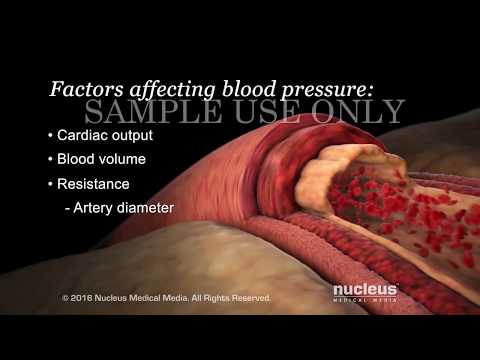
Blood pressure measures the force of blood pushing against the walls of your arteries. Think of your arteries as hoses in a garden; when you turn on the water, the pressure inside can change based on how tightly you squeeze the hose.
Normal Ranges
A normal blood pressure reading for adults is around 120/80 mmHg. Here, ‘mmHg’ stands for millimeters of mercury, which is just a way to measure pressure. The first number (systolic) represents pressure when the heart beats, and the second number (diastolic) shows pressure when the heart rests between beats.
- Normal: Less than 120/80 mmHg
- Elevated: Systolic between 120-129 and diastolic less than 80
- High Blood Pressure Stage 1: Systolic between 130-139 or diastolic between 80-89
- High Blood Pressure Stage 2: Systolic at least 140 or diastolic at least 90
Boys & Girls: Childhood Changes
Kids can have different blood pressure levels depending on their age, height, and weight. For this reason, pediatricians use special charts to guide what’s normal for children. For example, younger kids usually have lower readings compared to teenagers.
Youth and Young Adults
Teenagers often start experiencing fluctuations in their blood pressure due to hormonal changes and growth spurts. Most are still looking at that magical range but may see slight increases as they hit adulthood.
The Middle Years: Ages That Matter
Diving into adulthood? Lifestyle choices become major players now! Diets heavy in salt or sugar can raise blood pressure over time. Regular checks become key here because we’re all busy living life!
Seniors: The Aging Factor
You might wonder why older folks tend to have higher numbers—and that’s a mix of factors like decreased elasticity in arteries and possible underlying conditions. It’s common for older adults to experience isolated systolic hypertension, where only that top number climbs higher.
The Importance of Monitoring Your Blood Pressure
If you’re asking yourself why keeping an eye on your blood pressure matters—well, elevated levels can lead to serious health problems like heart disease or stroke over time.
- Lifestyle Adjustments: Eating healthier foods like fruits and veggies helps manage these numbers better.
- Mental Health: Stress management techniques such as meditation can also play a role in maintaining good blood pressure levels.
- If Something Feels Off:` Always worth discussing with someone who knows about such things if you notice big changes!
A Final Thought
Your body goes through many stages as you grow older; so understanding how blood pressure fits into those changes helps you stay informed about your health journey. It’s about staying aware rather than stressing out!
Understanding the Numbers That Matter for Women’s Health
Understanding Blood Pressure: What’s Normal and Why It Matters
Blood pressure is one of those numbers that can tell you a lot about your health. Think of it like the pressure in a water hose. If the pressure is too high, it can cause problems; if it’s too low, things might not flow as they should.
What Are Blood Pressure Numbers?
Your blood pressure reading comes in two numbers: systolic and diastolic. Systolic (the first number) measures the pressure when your heart beats. Diastolic (the second number) measures the pressure when your heart rests between beats.
A typical normal blood pressure reading is around 120/80 mmHg. The “mmHg” stands for millimeters of mercury, a unit used to measure blood pressure.
Why Should You Care?
Well, high blood pressure, or hypertension, often doesn’t have obvious symptoms. It’s like a sneaky thief that might be damaging your organs without you knowing it! Over time, high blood pressure can lead to serious issues like heart disease or strokes.
What Are Normal Levels?
The American Heart Association categorizes healthy levels like this:
- Normal: Less than 120/80 mmHg
- Elevated: 120-129/
- Hypertension Stage 1: 130-139/80-89 mmHg
- Hypertension Stage 2: 140 or higher/90 or higher mmHg
If you’ve been diagnosed with high blood pressure, it’s good to monitor it regularly. Tracking your numbers can help you see any changes over time.
Lifestyle Factors That Affect Blood Pressure
You know, it’s not just about genetics—your daily habits play a big role! Diet and exercise are crucial here. Eating fruits and veggies and staying active can help keep your numbers in check.
Salt intake is also important; too much salt can raise blood pressure. Sometimes people aren’t even aware of how much sodium they consume daily through processed foods!
The Role of Stress
No surprise here—stress can take a toll on our bodies! When you’re stressed out, hormones flood into your system that temporarily increase your heart rate and narrow your vessels—this raises blood pressuure.
Mental Health Connections
Mental health issues like anxiety or depression are linked to higher blood pressures as well. So taking care of yourself holistically matters—a balanced approach helps maintain healthy numbers.
Regular Checks Are Key!
If you’re over 40 or have risk factors like family history or obesity, keeping tabs on your blood pressure at home may be wise. Digital monitors are easy to use—you just squeeze the cuff around your arm and let the device do its thing!
Your Takeaway: Understanding Blood Pressure Counts!
This isn’t just about what one number means; it’s about how those figures interact with all aspects of women’s health—from stress management to diet choices.
It’s essential for everyone but especially for women who might face unique risks related to conditions such as pregnancy or menopause.
Keep learning! Keeping informed will empower you to make smart decisions about managing that all-important number: your health.
Your Guide to Understanding Blood Pressure Readings
Blood pressure readings can seem like a bunch of numbers that most people just shrug off. But honestly, they’re pretty important! It’s one of the key indicators of your heart health.
What is Blood Pressure?
Blood pressure measures the force of blood pushing against the walls of your arteries. Arteries are the blood vessels that carry oxygen-rich blood from your heart to the rest of your body. Think of it like a garden hose: when you turn on the tap, water flows with force through the hose.
How is Blood Pressure Measured?
Bood pressure is typically shown as two numbers: systolic and diastolic. Systolic (the first number) measures the pressure when your heart beats, while diastolic (the second number) measures it when your heart is at rest between beats. So, if you hear a reading like 120/80 mmHg, that’s what you’re looking at.
What’s Considered Normal?
A normal reading for adults is usually around 120/80 mmHg. But here’s where it can get tricky: what’s normal can vary by age and individual circumstances. For some people, a slightly higher or lower number may still be perfectly fine.
Why Does It Matter?
High or low blood pressure can lead to serious health issues down the road. High blood pressure, often called hypertension, can increase your risk for heart disease and stroke. Low blood pressure might leave you feeling dizzy or lightheaded. It’s essential to keep an eye on these numbers.
Causes of High and Low Blood Pressure
- High Blood Pressure: Stress, poor diet (think too much salt), lack of exercise, obesity – all play a role here.
- Low Blood Pressure: Dehydration, certain medications, or even standing up too quickly can cause this drop.
The Importance of Regular Check-Ups
You know how we go for regular check-ups? This includes measuring our blood pressure! Many people don’t realize they have high blood pressure because it often doesn’t show obvious symptoms until it’s serious.
Myths vs Facts
A common myth is that only older adults should worry about their blood pressure. Not true! Young folks can have high readings too—especially if they lead unhealthy lifestyles.
Anotheer misconception is that only medication controls high blood pressure—lifestyle changes can make a huge difference! Eating well and staying active are key players in managing those numbers.
Your Role in Monitoring Your Health
The bottom line? Your blood pressure speaks volumes about your overall health. Take time to check it regularly and talk to someone if you notice changes or have concerns!
Understanding Blood Pressure: What’s Normal and Why It Matters
Blood pressure is a vital sign that reflects the force of blood against the walls of your arteries. It’s measured in millimeters of mercury (mmHg) and is provided as two numbers: systolic over diastolic. Systolic pressure, the top number, measures the pressure when your heart beats. Diastolic pressure, the bottom number, shows the pressure when your heart is at rest between beats.
Normal blood pressure is generally considered to be around 120/80 mmHg. However, what’s “normal” can vary by individual. Factors like age, gender, weight, and overall health make a difference. For instance, young athletes may have lower readings than older adults who lead less active lifestyles.
High blood pressure—or hypertension—occurs when your readings are consistently at or above 130/80 mmHg. This condition can lead to serious health problems like heart disease or stroke because it forces your heart and arteries to work harder than they should.
Monitoring blood pressure is crucial since many people with hypertension don’t show symptoms. Regular check-ups allow for early detection and management of high blood pressure before it leads to complications.
On the flip side, low blood pressure—referred to as hypotension—can also cause issues such as dizziness or fainting. It’s essential to recognize what’s normal for you because everyone has their unique baseline.
The importance of understanding these figures cannot be overstated; it’s key for maintaining cardiovascular health. Balancing diet, exercise, and stress management plays a significant role in keeping those numbers in check.
In essence, knowing about blood pressure goes beyond just numbers on a screen; it provides insight into our overall wellbeing and helps us make informed choices about our health.