“A Closer Look at How Not to Die” by Dr. Michael Greger invites readers on a journey into the world of nutrition and health. This book explores how lifestyle choices can directly impact longevity and disease prevention. Dr. Greger dives deep into various studies, presenting evidence on how a plant-based diet can reduce the risk of chronic illnesses like heart disease, diabetes, and certain cancers. It’s like having a conversation with a knowledgeable friend who helps you navigate the often-confusing world of food choices.
However, while this book is packed with valuable insights, it’s essential to approach it with a critical eye. Health is complex, and what works for one person may not work for another. It’s crucial to consult various specialists and consider different perspectives when making decisions about your health. No single source should dictate your wellness journey.
Remember, informed decisions come from seeking out multiple viewpoints and understanding the whole picture of health. Enjoy exploring the content in “A Closer Look at How Not to Die,” but be sure to balance your knowledge with advice from other qualified sources as well!
The information provided in this article is intended solely for general informational and educational purposes. It does not constitute medical advice, diagnosis or professional treatment, and should not be considered a substitute for consultation with a qualified doctor or other licensed healthcare professional. Any health-related decisions should be made in consultation with accredited medical professionals.
While efforts have been made to ensure the information is accurate and up to date, no guarantees are given—either express or implied—regarding its accuracy, completeness, currency or suitability. Use of this information is at your own discretion.
It is strongly recommended to consult official sources such as the NHS (National Health Service) or other recognised medical institutions before acting on any information contained on this website or article. Under no circumstances should professional medical advice be ignored or delayed due to content read here.
This content is of a general and informational nature only. It is not intended to replace individualised guidance from a healthcare professional or to establish any doctor-patient relationship. The publication of this information does not imply any professional responsibility, guarantee or obligation on the part of the author or this site.
Discover How a Simple Timing Trick Can Transform Your Eating Habits
Eating is a vital part of life, but timing can make a big difference in how we feel and function. A simple timing trick can help improve eating habits without drastic changes. It’s all about when you eat, not just what you eat.
Many people might not realize that our bodies have natural rhythms, called circadian rhythms. These rhythms influence digestion and metabolism. For instance, eating more during daylight hours and less at night can align your meals with your body’s natural clock.
Research suggests that consuming food at regular intervals can enhance digestion. Eating three meals a day, spaced out evenly, allows your body to process nutrients effectively. Snacking constantly or eating late at night may lead to digestive issues and weight gain.
Here are some tips to consider:
Some people find it helpful to practice time-restricted eating. This involves setting a window during which you consume all your meals—like an 8-hour window from 10 AM to 6 PM. This method allows for fasting during the remaining hours.
Fasting may give your digestive system a break and promote better metabolism. However, it’s essential to listen to your body’s needs if this doesn’t suit you.
Remember: Timing isn’t everything, but it’s an important piece of the puzzle when it comes to healthy eating habits. Be mindful of how timing affects your hunger cues and energy levels throughout the day.
It’s always good practice to observe how changes impact you personally. Start with small adjustments and see how they feel over time before making bigger shifts.
Lastly, keep in mind that individual differences play a role in any health approach. What works for one person might not work for another. Stay curious, explore options, and prioritize what feels right for you!
Unlocking the Secrets to a Healthier, Longer Life Through Simple Choices
Living a healthier, longer life often comes down to simple choices we can make every day. A book like “How Not to Die” offers insights into how our diet and lifestyle can impact our health. Let’s explore some key ideas that can help unlock the secrets to better well-being.
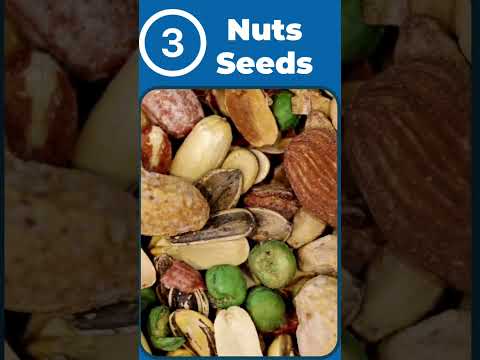
First, focus on whole foods. These are foods that are as close to their natural state as possible. Think fruits, vegetables, whole grains, nuts, and seeds. They provide essential nutrients without added sugars or unhealthy fats.
Next, consider the power of plants. A plant-based diet rich in fruits and veggies has been linked to lower risks of many chronic diseases, like heart disease and diabetes. It’s like filling your car with high-quality fuel instead of junk; it just runs better!
Regular exercise is another vital piece of the puzzle. Even a brisk walk for 30 minutes several times a week can make a significant difference in your health. It’s all about finding activities you enjoy so that it feels less like a chore and more like fun.
Hydration is also essential for overall health. Water helps keep your body functioning properly—it assists in digestion, circulation, and temperature regulation. Think of water as the oil in your car’s engine; without it, things just don’t work smoothly.
Don’t forget about sleep. Quality sleep is crucial for recovery and mental health. It’s during sleep that our bodies repair themselves and consolidate memories. Aim for 7-9 hours per night if you can.
Mindfulness practices like meditation can also play a significant role in overall wellness. They help reduce stress levels which is important since chronic stress can lead to numerous health issues over time.
Lastly, stay socially connected! Good relationships have been shown to improve mental well-being and longevity. It’s similar to having strong support beams holding up a house; they keep everything stable.
In summary, healthier choices don’t have to be complicated or overwhelming. By incorporating whole foods, staying active, drinking plenty of water, getting enough sleep, practicing mindfulness, and nurturing relationships into your daily routine—you’re on the right path toward a healthier life!
Always remember that making changes takes time; small steps are perfectly fine! Be patient with yourself as you navigate this journey toward better health.
Discover the Secrets Behind Dr. Greger’s Daily Vitamin Regimen
Dr. Greger has gained popularity for his approach to health and nutrition, particularly through his book “How Not to Die.” One aspect many people are curious about is his daily vitamin regimen. Understanding this can help you make informed choices about your own health.
First, it’s important to know that vitamins are essential nutrients. They support various functions in our bodies, from immune health to energy production. However, getting enough through diet is crucial.
Greger emphasizes a whole-food, plant-based diet. He believes that food should be the primary source of nutrients. This means consuming a variety of fruits, vegetables, legumes, nuts, and whole grains.
However, he also acknowledges that some people may need supplements. If your diet lacks certain foods or if you have specific conditions, supplementation can help fill those gaps.
Dr. Greger suggests considering these factors when choosing supplements:
Your individual dietary intake. Look at what foods you eat regularly and what nutrients may be lacking.
Your lifestyle choices. Factors like sun exposure can impact your need for Vitamin D.
Your age and specific health conditions. Different life stages and medical issues may require greater attention to certain vitamins.
Lastly, a well-balanced approach is key. It’s wise not to rely solely on supplements as a magic fix or replacement for healthy eating practices.
Always remember that what works best varies from person to person. Consulting with someone knowledgeable before starting any new regimen can provide personalized guidance tailored just for you!
“A Closer Look at How Not to Die” by Michael Greger offers a fascinating exploration of the connections between diet, lifestyle, and disease prevention. Greger’s approach is thorough, focusing on evidence-based research that underscores the benefits of plant-based nutrition.
One key takeaway is the emphasis on whole foods over processed options. Greger highlights how diets rich in fruits, vegetables, whole grains, and legumes can reduce the risk of chronic diseases like heart disease and diabetes. This idea is similar to filling your car with high-quality fuel; when you provide your body with nutritious food, it runs more efficiently.
Another important aspect is the focus on actionable steps. Greger encourages readers to make small yet impactful changes in their daily eating habits. For example, replacing sugary snacks with fresh fruit can have profound health benefits over time. It’s about creating sustainable habits rather than quick fixes.
While his claims are often compelling, it’s crucial to approach them with a critical lens. Not all individuals will experience the same outcomes from dietary changes due to genetics or existing health conditions. Personalization is key when it comes to nutrition.
Overall, Greger’s work invites thoughtful consideration of our food choices and their long-term implications for health. By encouraging readers to engage with scientific data and practical advice, he fosters an environment of informed decision-making in health management.