The information provided in this article is intended solely for general informational and educational purposes. It does not constitute medical advice, diagnosis or professional treatment, and should not be considered a substitute for consultation with a qualified doctor or other licensed healthcare professional. Any health-related decisions should be made in consultation with accredited medical professionals.
While efforts have been made to ensure the information is accurate and up to date, no guarantees are given—either express or implied—regarding its accuracy, completeness, currency or suitability. Use of this information is at your own discretion.
It is strongly recommended to consult official sources such as the NHS (National Health Service) or other recognised medical institutions before acting on any information contained on this website or article. Under no circumstances should professional medical advice be ignored or delayed due to content read here.
This content is of a general and informational nature only. It is not intended to replace individualised guidance from a healthcare professional or to establish any doctor-patient relationship. The publication of this information does not imply any professional responsibility, guarantee or obligation on the part of the author or this site.
Agility Exercises for Better Health: Try These Home Drills
Ever noticed how some people seem to breeze through life, moving with ease and confidence? It’s not just luck. Agility is a skill that can improve your daily life and overall health. Did you know that enhancing your agility can help reduce the risk of injuries? It’s true!
So, what’s this all about? This article will introduce you to some fun and effective agility exercises you can try at home. No fancy gym equipment needed—just a little space and some motivation.
These drills aren’t just for athletes; they’re for everyone! Whether you’re looking to keep up with your kids at the park, or simply want to feel more coordinated, agility exercises can make a noticeable difference.
Remember, while this information is designed to help you on your health journey, it’s not a substitute for professional medical advice. Always consult a healthcare provider before starting any new exercise program.
Unlock Your Potential with Simple Movements You Can Do Anytime
Understanding Agility Exercises
Agility exercises are all about improving your body’s ability to move quickly and easily. Picture a soccer player weaving through defenders or a dancer making sharp turns with grace. These movements help with balance, coordination, and strength.
What Are Agility Exercises?
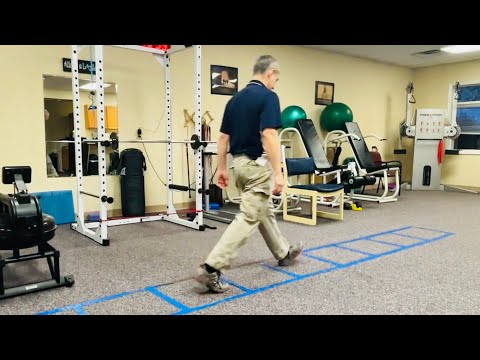
Simply put, agility exercises include any movements that require quick changes of direction. Think of drills like ladder runs, cone drills, or jumping side to side. Each of these helps build muscle memory, so your body can react faster in daily activities.
Why Do They Matter?
You might wonder why agility is important for everyday life. Well, consider walking down the street—suddenly dodging a pothole or catching yourself when you trip is a lot easier when you have good agility. Plus, it can help prevent injuries by strengthening the muscles around your joints.
Simple Movements You Can Try at Home
- Pace Steps: This involves stepping quickly for twenty to thirty seconds while raising your knees high.
- Lateral Hops: Jump back and forth over an imaginary line or small object. Keep it low-impact if you’re just starting out!
- Tuck Jumps: Stand straight then jump up bringing your knees toward your chest—land softly!
- A-B-C’s on the Ground: Write the letters A to Z in the air with one leg while standing on another leg.
Busting Myths About Agility Training
A common belief is that only athletes need agility training—which isn’t true! Everyone can benefit from these simple movements. It boosts overall fitness and helps with daily tasks too.
The Benefits of Practicing Regularly
If you practice agility drills consistently, over time you could notice better overall fitness and energy levels. It’s all about incorporating these movements into your routine without feeling overwhelmed; even just five minutes here and there counts!
Your Comfort Zone Matters
You don’t have to be super fit or young to start doing agility exercises. Just listen to your body—if a movement doesn’t feel right, modify it or try something else that’s gentler on your joints.
Cultivating a Routine
Sneaking in some agility work during commercials while watching TV? Sounds fun! Or how about turning it into a quick family workout session after dinner? The key is making sure it’s enjoyable so you’ll want to keep going!
Final Thoughts on Moving Forward
If you’re looking for simple ways to enhance physical health at home, agility exercises are an excellent choice! Remember: take things at your own pace; consistency is what makes the difference over time!
Enhancing Balance and Flexibility for a More Active Life
Hey, have you ever thought about how important balance and flexibility are? These two factors can really change your day-to-day life. They help us move better, reduce the risk of falls, and support overall physical health.
Why Balance Matters
Balance isn’t just about standing on one leg like a flamingo. It’s about maintaining control of your body as you move. Good balance allows us to walk, run, and even climb stairs without feeling unsteady. Think of it like driving a car; if the tires are out of alignment, the ride is bumpy.
Benefits of Flexibility
Flexibility is all about how far your muscles can stretch without injury. Imagine trying to reach for something on a high shelf; flexible muscles make that easier and safer. Stretching helps keep muscles long and nimble.
Simple Agility Exercises at Home
You don’t need fancy equipment or lots of space to work on agility at home. Here are some ideas:
- Lunges: Step forward with one leg while keeping your other leg straight behind you. Switch legs to engage different muscle groups.
- Knee Raises: March in place but lift your knees high each time. This improves stability while getting your heart rate up.
- Side Leg Raises: Stand tall and raise one leg out to the side then bring it back down—alternate sides.
- Tightrope Walk: Walk heel-to-toe in a straight line as if you’re on a tightrope!
- Squat Taps: Squat down as if sitting in an invisible chair, then tap your toe out in front while standing back up—this gets blood flowing!
The Right Mindset
The key is consistency. Doing these exercises regularly can help you build strength over time. It doesn’t have to be perfect—some days will feel better than others, and that’s totally okay! Besides, it’s not just about big leaps; small improvements count too.
A Few Common Misconceptions
You might hear people say that agility exercises are only for athletes or young folks—but that’s not true! Anyone can benefit from these activities regardless of age or fitness level. Starting slow and listening to your body is what counts.
Your Next Moves
If you’re looking for changes in your activity level or improving overall wellness, balancing flexibility exercises into your routine could be just what you need! Just remember that it’s always smart to ease into new activities…
If anything doesn’t feel right or seems off during exercises, it’s best to stop—your body knows best!
The journey towards better balance and flexibility doesn’t have to be daunting; think of it like learning to ride a bike—you start shaky but gain confidence with practice!
Unlock Your Dog’s Potential with Fun and Engaging Exercises
Understanding the Importance of Exercise for Your Dog
Let’s talk about exercise for dogs. Just like us, they need to move around to stay healthy. Regular physical activity helps maintain a healthy weight, reduces stress, and promotes overall well-being. So, you know, keeping your dog active is crucial.
What is Agility Training?
Agility training involves teaching your dog to navigate courses made up of various obstacles. Think jumping over bars, weaving through poles, or crawling through tunnels. It’s not just about physical fitness; it also sharpens their mental skills.
Why Home Drills Can Be Fun
You don’t need a fancy agility course to get started at home. Simple drills can be just as engaging and effective. Using household items like chairs or broomsticks can turn your living room into an adventure zone!
Simple Exercises You Can Try
- Jumping Jacks: Teaching your dog to jump over a broomstick laid on the ground can be exciting! Start low and gradually increase the height.
- Weaving: Set up some cones or even water bottles in a line and encourage your dog to weave through them.
- Tunnels: If you have a pop-up tunnel or can make one with cardboard boxes, that’s excellent! Dogs love running through them.
- Sit and Stay: This classic command helps with impulse control. Have them sit before they attempt any obstacle!
A Few Tips for Success
Younger dogs tend to have more energy while older ones might need gentler activities. It’s important to tailor these exercises according to their age and fitness level. Always use positive reinforcement—like treats or praise—to motivate your furry friend.
Cautions Around Agility Training
Avoid going too fast; patience is key! If you notice signs of fatigue or stress in your dog, take it easy. It’s not a competition; it’s about building trust and having fun.
The Joy of Engagement
The real magic happens when you bond during these activities. Engaging in physical play not only helps build strength but also strengthens the relationship between you and your pup.
Your Dog’s Happiness Matters!
A happy dog often indicates a well-exercised one! Regular agility drills keep them both mentally stimulated and physically fit—an ideal combination for good health.
If you’re considering adding agility exercises into your routine, remember: always listen to what works best for both you and your dog! Every small step counts towards unlocking their full potential!
Engaging in agility exercises can be a fantastic way to improve overall health and well-being. These drills focus on enhancing coordination, balance, and speed, which are essential for many everyday activities. You know, think about how often we need to change direction quickly or maintain our balance while navigating life.
Many people might not realize that agility workouts don’t require fancy equipment or a gym membership. Simple home drills can work wonders. For instance, practicing lateral lunges or quick foot taps can significantly boost agility. It’s like playing a game of tag; the more you practice your movements, the better you become.
Moreover, agility training isn’t just for athletes. Older adults can especially benefit from these exercises as they help reduce fall risk by improving stability and coordination. Imagine being able to move more confidently during daily activities—like climbing stairs or playing with grandchildren.
One key advantage of agility exercises is that they can be tailored to fit anyone’s fitness level. Starting slow and gradually increasing the intensity allows everyone—from beginners to seasoned fitness enthusiasts—to find their groove.
Incorporating these drills into a regular routine doesn’t have to feel daunting either. Sometimes just 15 minutes can make a difference! It’s mainly about consistency rather than perfection.
Overall, adding agility exercises at home is an effective way to support both physical health and mental sharpness. So why not give it a shot? You’ll likely notice improvements over time in your daily movements and energy levels!