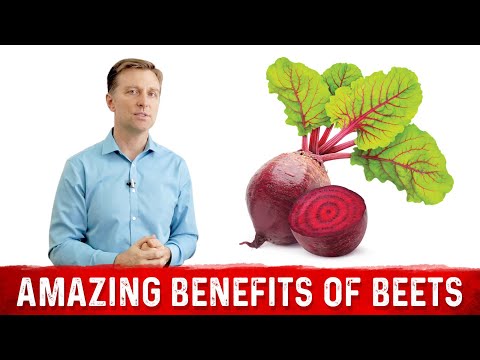
Beetroot, often overlooked in the vegetable aisle, is a vibrant root that packs a powerful punch when it comes to nutrition. With its deep red color and earthy taste, this humble veggie offers not just culinary flair but also a treasure trove of health benefits. Curious about how something so simple can be so beneficial? Let’s dive into the nutritional perks and health gains of beetroot.
The information provided in this article is intended solely for general informational and educational purposes. It does not constitute medical advice, diagnosis or professional treatment, and should not be considered a substitute for consultation with a qualified doctor or other licensed healthcare professional. Any health-related decisions should be made in consultation with accredited medical professionals.
While efforts have been made to ensure the information is accurate and up to date, no guarantees are given—either express or implied—regarding its accuracy, completeness, currency or suitability. Use of this information is at your own discretion.
It is strongly recommended to consult official sources such as the NHS (National Health Service) or other recognised medical institutions before acting on any information contained on this website or article. Under no circumstances should professional medical advice be ignored or delayed due to content read here.
This content is of a general and informational nature only. It is not intended to replace individualised guidance from a healthcare professional or to establish any doctor-patient relationship. The publication of this information does not imply any professional responsibility, guarantee or obligation on the part of the author or this site.
However, while beetroot is indeed beneficial, it’s important to remember that not every food suits everyone perfectly. Some individuals may experience digestive discomfort or allergic reactions. Additionally, too much beetroot can lead to an unusual condition called beeturia – where urine appears pink or red. Always seek advice from various specialists or trusted media sources before making significant changes to your diet. Knowledge is your best ally on this journey toward well-being!
Unlocking the Power of Beetroot for Enhanced Performance and Muscle Growth
Beetroot is a vibrant, root vegetable that has garnered attention for its potential benefits in both athletic performance and muscle growth. Its bright red color comes from natural pigments called betalains, which are also packed with nutrients.
The key to beetroot’s benefits lies in its high nitrate content. Nitrates are compounds that can help widen blood vessels, improving blood flow. Think of it like opening up a highway to allow more traffic. This increased blood flow can enhance oxygen delivery to muscles during exercise.
Regular consumption of beetroot may boost stamina. Some studies suggest athletes who consume beetroot juice perform better during high-intensity workouts. This means they may be able to push themselves harder and longer, enhancing overall performance.
Nitrates also play a role in muscle recovery. Improved circulation helps remove waste products from working muscles and delivers nutrients for repair. Imagine your muscles getting a fresh supply of food right when they need it most.
Besides nitrates, beetroot is rich in other important nutrients such as fiber, vitamins A and C, and antioxidants. Antioxidants help fight off free radicals in the body, which can lead to cellular damage over time.
Here are some key points about beetroot:
While beetroot is generally safe for most people, it’s always wise to enjoy it as part of a balanced diet. Overly relying on any single food won’t provide all the nutrients your body needs.
Incorporating beetroot into your meals can be fun! You can enjoy it roasted, juiced, or even grated into salads. Each method brings out its unique flavor while allowing you to explore its health perks.
Remember that no single food or supplement will magically transform your health or fitness levels. It’s essential to pay attention to overall lifestyle choices — like regular exercise and balanced nutrition — for optimal results.
So whether you’re an athlete aiming for peak performance or someone wanting a nutritious addition to their diet, consider giving beetroot a try!
Discover how this vibrant veggie can boost your health and energize your life.
Beetroot is not just a colorful addition to your plate; it’s a powerhouse of nutrients that can support your health in many ways. Known for its deep purple hue, beetroot offers more than just eye appeal.
First off, let’s talk about the nutrients. Beets are packed with vitamins and minerals like vitamin C, folate, and potassium. These elements play crucial roles in our body—from boosting the immune system to maintaining healthy blood pressure.
One of the standout features of beetroot is its high nitrate content. Nitrates can convert to nitric oxide in the body, which helps widen blood vessels. Imagine this as opening up a crowded highway, allowing better blood flow. Enhanced circulation can improve athletic performance and support heart health.
Additionally, beetroot is rich in antioxidants. These compounds help fight free radicals—unstable molecules that can damage cells. Consuming antioxidants may lower the risk of chronic diseases such as heart disease or cancer.
For those looking to boost energy levels naturally, beets might be a great option worth considering. Some studies have suggested that consuming beetroot juice before exercise can increase stamina and reduce fatigue.
Another benefit of beetroot is its impact on digestion. With a good amount of dietary fiber, it aids in keeping your digestive system running smoothly—like a well-oiled machine.
It’s also important to consider how you incorporate beets into your diet. You can enjoy them roasted, pickled, or even juiced! Try adding them to salads or smoothies for an extra nutritional punch.
Remember that while beetroots are indeed nutritious, they are not a magic food. They work best as part of a well-rounded diet rich in various fruits and vegetables.
In conclusion, incorporating vibrant veggies like beetroot into your meals can offer many health benefits while adding flavor and color to your diet. Enjoy them mindfully and explore how they fit into your overall eating habits!
Unlocking the Surprising Benefits and Effects of Daily Beetroot Consumption
Beetroot is a vibrant vegetable that’s gaining attention for its potential health benefits. Its deep red color isn’t just pretty; it’s packed with nutrients. Let’s explore some of the perks of adding beetroot to your daily diet.
First off, beetroot is high in vitamins and minerals. It contains vitamin C, potassium, and manganese. These nutrients are essential for maintaining overall health. Think of beetroot as a nutrient powerhouse that can support your body’s needs.
One of the standout components of beetroot is nitrates. When you eat them, your body converts these nitrates into nitric oxide. Nitric oxide helps relax and widen blood vessels. This can lead to better blood flow and lower blood pressure, which might make it easier for your heart to pump blood.
Another benefit? Beetroot may enhance exercise performance. Some studies suggest that the nitrates can improve stamina by making oxygen usage more efficient during physical activities. Imagine having more energy on your runs or being able to lift more weights at the gym!
Beetroot also contains antioxidants, which help fight free radicals in the body. Free radicals are unstable molecules that can cause oxidative stress and damage cells over time. By consuming foods rich in antioxidants like beetroot, you’re giving your body a helping hand in staying healthy.
Moreover, beets might assist in digestion due to their fiber content. Fiber plays a crucial role in gut health by promoting regular bowel movements and keeping you feeling full longer. Picture fiber as nature’s broom sweeping through your digestive system.
Adding beetroot to meals is quite easy too! You can enjoy them roasted, juiced, or even raw in salads. The sweet flavor pairs well with various dishes, making it versatile for different tastes.
However, it’s important to note that while beetroot is beneficial, balance is key in any diet. Relying solely on one food won’t provide all nutrients you need for good health.
In summary:
So why not give beetroot a try? Incorporating this colorful vegetable into your diet could be a simple yet effective way to boost overall health without making drastic changes to what you eat!
Beetroot is more than just a vibrant addition to your plate; it’s packed with impressive nutritional benefits and potential health gains. Rich in vitamins, minerals, and antioxidants, it can be a powerhouse for your overall well-being.
One key element of beetroot is its high content of nitrates, which have been shown to support heart health. Nitrates convert into nitric oxide in the body, helping to relax blood vessels and improve circulation. This is akin to how cleaning out a clogged pipe allows water to flow freely; better circulation can lead to lower blood pressure and enhanced cardiovascular function.
Moreover, beetroot is loaded with fiber. This not only aids in digestion but also helps regulate blood sugar levels. Think of fiber as the broom that sweeps through your digestive tract, ensuring everything runs smoothly.
Additionally, beetroot contains compounds called betalains that have anti-inflammatory properties. By incorporating beetroot into your diet, you may help reduce inflammation in the body—similar to how applying ice soothes a swelling injury.
It’s important to remember that while beetroot can offer health benefits, it’s not a cure-all. Including it as part of a balanced diet alongside other fruits and vegetables will yield the best results for your health.
In summary, adding beetroot can enhance nutrition and potentially lead to positive health outcomes. Just like building a strong foundation for a house requires various materials working together harmoniously, thriving health comes from diverse food choices combined with healthy lifestyle habits. Always consult with professionals when making significant changes to your diet or lifestyle for personalized advice tailored to your needs.