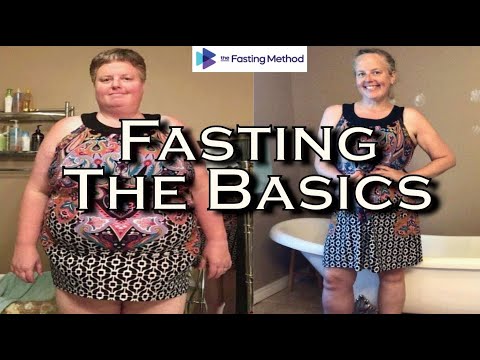
Fasting is more than just skipping meals; it’s a practice with deep roots in various cultures and religions. Picture fasting as a reset button for your body, allowing it to focus on healing and rejuvenation instead of constant digestion. As you embark on this journey, it’s essential to understand the different types of fasting—like intermittent fasting or juice cleanses—and how they can impact your health.
Each person’s experience with fasting can differ greatly. Some may find clarity and energy, while others might struggle with hunger or fatigue. It’s all about finding what works best for you and listening to your body’s signals.
However, before diving into any fasting regimen, be cautious. Fasting is not suitable for everyone. It’s important to consider your personal health conditions and lifestyle. Always consult various specialists—doctors, nutritionists, or dietitians—and explore trusted sources of information. This way, you can make informed decisions tailored to your unique needs.
Your journey into fasting is exciting but should be approached with knowledge and care!
The information provided in this article is intended solely for general informational and educational purposes. It does not constitute medical advice, diagnosis or professional treatment, and should not be considered a substitute for consultation with a qualified doctor or other licensed healthcare professional. Any health-related decisions should be made in consultation with accredited medical professionals.
While efforts have been made to ensure the information is accurate and up to date, no guarantees are given—either express or implied—regarding its accuracy, completeness, currency or suitability. Use of this information is at your own discretion.
It is strongly recommended to consult official sources such as the NHS (National Health Service) or other recognised medical institutions before acting on any information contained on this website or article. Under no circumstances should professional medical advice be ignored or delayed due to content read here.
This content is of a general and informational nature only. It is not intended to replace individualised guidance from a healthcare professional or to establish any doctor-patient relationship. The publication of this information does not imply any professional responsibility, guarantee or obligation on the part of the author or this site.
Unlocking the Secrets of Your Body’s Transformation Through Fasting
Fasting has gained a lot of attention in recent years. It’s often touted as a way to transform your body and health. But what does fasting really involve?
At its core, fasting means going without food for a certain period. This can range from hours to days. Think of it like giving your digestive system a well-deserved break.
When you fast, several things happen in your body. First, glucose levels drop as your body starts using stored energy. It’s like switching from using gas to electric in a car; it adapts its fuel source.
As time goes on, the body begins to enter ketosis, especially during longer fasts. In this state, fat becomes the primary fuel source instead of sugar. Imagine switching from cooking with butter to using olive oil—different sources but still effective.
Fasting can also trigger autophagy, which is when your cells clean out damaged parts. It’s similar to cleaning out an old garage; getting rid of the clutter helps everything function better.
It’s helpful to know that fasting may not suit everyone. Some people might feel tired or irritable when they skip meals. Just like not every workout routine fits every person—it’s about finding what’s right for you.
Here are some key points about fasting:
Before starting any fasting regimen, think critically and consider your individual health needs. Consulting with someone knowledgeable can help you make informed choices.
Remember that while many find benefits in fasting, everyone’s journey is unique. Listen to your body and make adjustments as needed! Understanding these concepts can help empower you on the path toward better health choices through fasting or other methods.
Explore the Transformative Experience of a Week Without Food
Fasting, particularly a week without food, can be a profound experience. Many people are curious about its effects on the body and mind. It’s essential to understand what happens during such fasting periods.
At its core, fasting means abstaining from food for a specific time. A week without food can lead to significant changes in your body. Instead of relying on immediate energy from meals, your body taps into stored fat for fuel.
During the initial days, you might feel hunger pangs and fatigue. These sensations are normal as your body adapts to the lack of food. Hydration becomes crucial during this time; drinking water is essential to stay healthy.
After a few days, something interesting happens. Many people report increased mental clarity and focus. This occurs as your brain begins using ketones—a byproduct of fat breakdown—as energy instead of glucose from carbs.
However, it’s important to mention that not everyone will experience these benefits. Responses vary widely among individuals based on health status and lifestyle factors.
Here are some key points about a week-long fast:
While fasting has historical roots in many cultures for spiritual or health reasons, it’s vital to approach it thoughtfully. If you’re considering fasting, listen to your body and consult with knowledgeable sources if unsure about any aspect.
Keep in mind that prolonged fasting isn’t suitable for everyone. Factors like age, medical conditions, or medications could influence how you respond.
Ultimately, exploring fasting can lead to self-discovery about eating habits and consumption patterns. It’s an opportunity—both physically and mentally—to reassess your relationship with food while promoting mindfulness about what fuels your life.
Always remember that informed choices come from understanding both potential benefits and risks before starting any new journey involving fasting or dietary changes.
Unlock the Secrets to Simple and Sustainable Fasting Practices
Fasting has gained popularity for its potential benefits. However, it can seem overwhelming at first. Let’s break it down into simple and sustainable practices you can explore.
First off, what’s fasting? Simply put, it’s the voluntary act of not eating for a specific period. Just like letting your car rest after a long drive, our bodies sometimes need breaks from constant food intake to reset.
Types of Fasting:
Many people choose intermittent fasting due to its flexibility. You might find it easier to skip breakfast rather than make drastic changes to your diet.
The Science Behind It:
When you fast, your body shifts from using glucose for energy to burning fat. This is similar to a phone switching from charging mode to battery-saving mode when power runs low.
Fasting may also promote cell repair processes like autophagy—think of it as housecleaning at the cellular level.
Still, it’s vital to listen to your body. If you’re hungry or feeling unwell during fasting periods, consider adjusting your approach. Remember that everyone’s body responds differently.
Mistakes to Avoid:
While some claim miracle health benefits from fasting, scientific evidence isn’t uniform across all areas. It’s crucial not to get swept up in trends without understanding what works for you personally.
Thinking critically about health choices is essential. Always question where information comes from and consult reliable sources or professionals if needed.
In summary, if you’re curious about fasting practices: start small. Experiment with different methods until you find what fits in your lifestyle without stress or discomfort. Remember that sustainability is key—it’s about making choices that are easy for you in the long run!
Fasting has gained popularity as a health and wellness practice, but understanding its fundamentals is crucial for anyone considering this journey. It’s important to note that fasting isn’t a one-size-fits-all solution; it requires personal reflection and informed decision-making.
- What is Fasting? Fasting involves abstaining from food for a set period. It can take many forms, including intermittent fasting, where eating windows are limited, or longer-term fasts.
- Benefits Many studies suggest fasting may offer benefits like improved metabolism, better blood sugar control, and enhanced mental clarity. However, these benefits can vary widely between individuals.
- Risks It’s essential to approach fasting with caution. Not everyone should fast, especially individuals with certain health conditions or those who are pregnant or breastfeeding.
- Mindful Practice Approach fasting mindfully. Listen to your body’s signals and avoid using it as a quick fix for weight loss or other health issues.
- Sustainability The best health practices are sustainable. Consider how fasting fits into your lifestyle in the long term rather than seeking immediate results.
Overall, understanding the basics of fasting helps demystify the process and encourages responsible choices. Emphasize listening to your body and seeking professional guidance if needed. This thoughtful approach will pave the way for a more fulfilling journey with fasting.