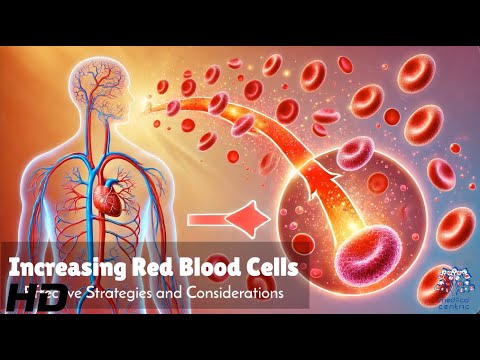
Are you curious about how to naturally boost your red blood cell count? Understanding this vital component of your blood can enhance your overall health and energy. Red blood cells are like tiny delivery trucks in your body, transporting oxygen from your lungs to every cell. When their numbers are low, you might feel tired or weak, impacting daily activities.
Fortunately, there are natural ways to support your red blood cell production! Factors such as diet, hydration, and lifestyle choices play important roles. Foods rich in iron, like spinach and lentils, help fuel the production process. Staying active can also keep your body in prime condition to produce these essential cells.
However, it’s crucial to remember that boosting red blood cells is not one-size-fits-all. Each person’s health needs are unique. Always consult with a healthcare professional before making significant changes. They can guide you based on individual health conditions and needs. Diversifying the information you consume from trusted sources will provide a more comprehensive understanding of how to improve your red blood cell count safely and effectively. Stay informed and empowered on your health journey!
The information provided in this article is intended solely for general informational and educational purposes. It does not constitute medical advice, diagnosis or professional treatment, and should not be considered a substitute for consultation with a qualified doctor or other licensed healthcare professional. Any health-related decisions should be made in consultation with accredited medical professionals.
While efforts have been made to ensure the information is accurate and up to date, no guarantees are given—either express or implied—regarding its accuracy, completeness, currency or suitability. Use of this information is at your own discretion.
It is strongly recommended to consult official sources such as the NHS (National Health Service) or other recognised medical institutions before acting on any information contained on this website or article. Under no circumstances should professional medical advice be ignored or delayed due to content read here.
This content is of a general and informational nature only. It is not intended to replace individualised guidance from a healthcare professional or to establish any doctor-patient relationship. The publication of this information does not imply any professional responsibility, guarantee or obligation on the part of the author or this site.
Discover the Refreshing Beverage That Boosts Your Blood Health
When it comes to maintaining our health, blood plays a critical role. Healthy blood ensures our organs are nourished and our immune system functions well. One fascinating way to support your blood health is through the drinks you choose.
Have you ever heard of pomegranate juice? This delightful beverage is often celebrated for its rich flavor and vibrant color. It’s not just tasty; it has nutrients that can be beneficial for your red blood cells.
Pomegranates are packed with antioxidants. These tiny fighters help reduce oxidative stress in the body. Oxidative stress can damage cells, including red blood cells. By reducing this damage, we may help maintain healthier blood.
Another great option is beet juice. Beets are root vegetables known for their deep red hue. They contain nitrates, which can improve circulation by dilating blood vessels. Better circulation means more oxygen reaches your tissues.
Here are some key benefits of these beverages:
Moreover, these juices can be a tasty way to get essential vitamins such as vitamin C and folate. Both nutrients play a role in red blood cell production.
It’s important to note that while these drinks can contribute to healthy habits, they are not magic solutions. A balanced diet combined with regular physical activity is essential for optimal blood health.
Always consider moderation when enjoying these beverages too! Pomegranate and beet juices may be high in sugar, so it’s wise to limit how much you consume at one time.
Lastly, if you have specific health concerns about your blood or other conditions, consulting with a healthcare provider is key. They can provide tailored advice based on your personal needs.
In conclusion, choosing drinks like pomegranate or beet juice could provide refreshing support for your blood health when combined with a wholesome lifestyle!
Discover the Fruits That Boost Your Red Blood Cell Production
Red blood cells are essential for transporting oxygen throughout your body. A healthy red blood cell count is crucial for overall well-being. While many factors influence this count, certain fruits can help support production naturally.
Fruits rich in iron, vitamin C, and folate play a significant role in boosting red blood cell levels. Let’s explore some of these fruits.
It’s important to remember that no single food will dramatically change your red blood cell levels alone. A balanced diet that includes various nutrients is key.
Additionally, consuming these fruits regularly may support not just red blood cell production but overall vitality as well. Enjoying different combinations can lead to fun meals while nourishing your body.
Always consider how these recommendations fit into your overall diet and lifestyle. It’s best to approach dietary changes thoughtfully and consult a healthcare provider if you have specific health concerns or conditions affecting your blood health.
Incorporating more fruits into your daily routine can be an easy step towards supporting a healthy lifestyle!
Revitalize Your Energy and Well-Being with Simple Natural Solutions
Revitalizing your energy and well-being can often be achieved with simple, natural solutions. One key element in maintaining good health is ensuring you have enough red blood cells. These cells carry oxygen throughout your body, which is essential for energy and overall vitality.
When your red blood cell count is low, you may feel fatigued or weak. Luckily, there are ways to naturally support the production of these important cells.
Iron-rich foods are fundamental. Iron helps your body produce hemoglobin, which carries oxygen in the blood. Include beans, lentils, spinach, and lean meats in your diet.
Vitamin B12 also plays a crucial role. It helps form red blood cells and nerve cells. Good sources include fish, eggs, dairy products, and fortified cereals.
Folate, or Vitamin B9, is another vital nutrient for red blood cell production. Foods rich in folate include dark leafy greens and citrus fruits.
Staying hydrated is equally important. Water helps transport nutrients in the body and keeps your blood flowing smoothly.
Getting regular exercise can boost your circulation and encourage healthy blood flow. Even simple activities like walking or stretching can make a difference.
Consider sufficient sleep. Your body does a lot of repair work while you sleep, including producing new cells—including red blood cells!
Lastly, be mindful of stress management. Chronic stress can affect many aspects of health including fatigue levels. Activities like meditation or yoga can help calm the mind and improve well-being.
Incorporating these natural solutions into your daily routine may enhance both energy levels and overall health. It’s all about small changes that add up over time! If you have concerns about your health or diet, consider talking to a healthcare provider for personalized advice that suits you best.
Boosting your red blood cell count naturally can be an empowering goal for many people, especially those experiencing fatigue or low energy levels. Red blood cells are crucial because they carry oxygen from our lungs to the rest of our body, and without enough of them, we may feel weak or tired.
To encourage a healthy red blood cell count, it’s important to focus on a balanced diet. Iron is a key player here; think of it as fuel. Food sources rich in iron include lean meats, beans, and leafy greens like spinach. Pairing these with vitamin C-rich foods—like oranges or bell peppers—can enhance iron absorption, making the most of what you eat.
Another important nutrient is vitamin B12, often found in animal products like eggs and dairy. This vitamin helps in the formation of red blood cells. If you follow a vegetarian or vegan diet, consider fortified foods or supplements.
Folate is another vital nutrient that supports cell division and is found in foods such as lentils, asparagus, and avocados. For those looking to boost their levels naturally, incorporating these foods into meals can be beneficial.
Staying hydrated also plays an essential role. Think of water as the transport system for nutrients and oxygen throughout your body. Proper hydration ensures your systems work efficiently.
Additionally, regular exercise promotes circulation and can stimulate red blood cell production—imagine a car running smoothly when it’s well-maintained.
While lifestyle changes can make a difference, it’s critical to consult with health professionals if you’re concerned about your red blood cell count or overall health before making any significant changes. Understanding your body’s needs empowers you to take informed steps toward better health without falling prey to misconceptions surrounding quick fixes or miraculous cures.