The information provided in this article is intended solely for general informational and educational purposes. It does not constitute medical advice, diagnosis or professional treatment, and should not be considered a substitute for consultation with a qualified doctor or other licensed healthcare professional. Any health-related decisions should be made in consultation with accredited medical professionals.
While efforts have been made to ensure the information is accurate and up to date, no guarantees are given—either express or implied—regarding its accuracy, completeness, currency or suitability. Use of this information is at your own discretion.
It is strongly recommended to consult official sources such as the NHS (National Health Service) or other recognised medical institutions before acting on any information contained on this website or article. Under no circumstances should professional medical advice be ignored or delayed due to content read here.
This content is of a general and informational nature only. It is not intended to replace individualised guidance from a healthcare professional or to establish any doctor-patient relationship. The publication of this information does not imply any professional responsibility, guarantee or obligation on the part of the author or this site.
Have you ever felt extra tired, even after a good night’s sleep? It’s like you’re dragging yourself through the day. Well, that fatigue could be linked to your red blood cell count. These little cells are pretty vital for our health—they carry oxygen throughout your body.
The thing is, low red blood cell counts can affect how energetic and alert you feel. If you’ve ever been told you have anemia or just wonder about your overall health, you’re not alone. Many people worry about this issue.
This article dives into effective strategies to help increase your red blood cell count. We’ll talk about the nutrients and lifestyle choices that can make a difference. From dietary changes to some smart habits, there are ways to help boost those essential cells in your bloodstream.
However, this content isn’t a substitute for professional medical advice. Health decisions should never be made solely based on what you read online. Always consult a healthcare provider for the best guidance tailored to you.
Boost Your Energy and Vitality in No Time
Understanding Red Blood Cells
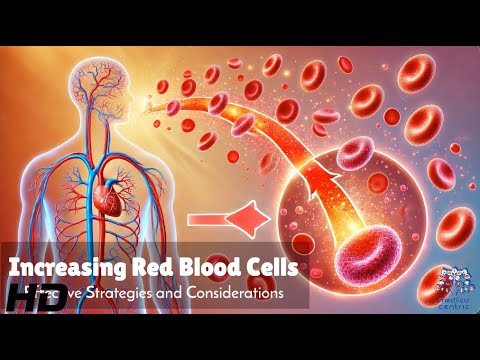
Red blood cells (RBCs) are essential. They carry oxygen from your lungs to the rest of your body and help remove carbon dioxide. Think of them as delivery trucks, transporting vital oxygen to every cell. A healthy red blood cell count is crucial for maintaining energy levels and overall vitality.
Why Boost Your RBC Count?
Low red blood cell counts can lead to fatigue, weakness, and pale skin. Have you ever felt unusually tired or lacked energy? Sometimes, it could be linked to insufficient RBCs. Enhancing your count can potentially improve your vitality.
Diet Matters
Your diet plays a huge role in RBC production. Iron is key since it’s needed for hemoglobin— a protein in RBCs that carries oxygen. Foods high in iron include spinach, lentils, and red meat. Pairing iron-rich foods with vitamin C sources like oranges can enhance absorption.
B Vitamins Are Essential
B vitamins—especially B12 and folate—are critical too. They assist in the formation of red blood cells. You’ll find B12 in animal products like eggs or dairy, while leafy greens are great sources of folate.
Stay Hydrated
Hydration isn’t just about quenching thirst. It also helps maintain optimal blood volume and circulation. Aim for 8 glasses a day; more if you’re active or live in hot weather.
Getting Moving!
A regular exercise routine can stimulate red blood cell production by enhancing circulation. Activities like jogging or even brisk walking increase heart rate, encouraging your body to generate more RBCs to meet higher oxygen demands.
Avoiding Inhibitors
Certain substances might hinder RBC production; smoking is one big one—it can damage your lungs and reduce oxygen efficiency.. Also limit caffeine if you’re sensitive as it may affect nutrient absorption.
Check Your Levels
If you suspect low RBC levels, consider getting a blood test done by a health professional—the results can provide valuable insights into what’s going on inside you!
The Role of Supplements
Sometimes people turn to supplements for adding extra nutrients.. Iron supplements are common but should be taken with caution since too much iron isn’t good either. Consider consulting a health professional before starting any supplement routine.
Your Body’s Unique Needs
No two bodies are alike; factors like age, gender, and health conditions all play roles in how well you produce red blood cells.
Therefore it’s important to listen to your body—and make adjustments based on how you feel!
Your Lifestyle Matters
A balanced lifestyle including stress management techniques like meditation or yoga also contributes positively.
Reducing stress helps maintain overall health which indirectly supports effective RBC function.
- Eat iron-rich foods daily.
- Add B vitamins into your meals regularly.
- Hydrate consistently throughout the day.
- Meditate or engage in calming activities weekly..
Taking small steps towards better nutrition and healthier habits may help boost energy levels over time while supporting red blood cell production! Remember: it’s all about balance—not just one thing will do the trick!
Enhance Your Energy and Vitality Naturally with Powerful Nutrients
Enhance Your Energy and Vitality Naturally
When you’re feeling sluggish or low energy, it can really affect your day-to-day life. One way to combat this is by focusing on your red blood cell count. Red blood cells are like delivery trucks for oxygen in your body. More trucks mean more oxygen, which can lead to better energy levels.
What Are Red Blood Cells?
Red blood cells (RBCs) are essential. They’re responsible for transporting oxygen from your lungs to different parts of the body. They also help take carbon dioxide back to the lungs for exhalation. Think of them as tiny balloons carrying oxygen around.
Why Boost Your RBC Count?
A higher red blood cell count can improve stamina and reduce fatigue. If you’re an athlete or just someone juggling a busy life, having enough healthy RBCs is crucial for maintaining energy levels throughout the day.
Nutrients That Help
Certain nutrients play a major role in supporting healthy red blood cell production. Here are some key players:
- Iron: This mineral is vital as it’s a core component of hemoglobin, the part of RBCs that carries oxygen. Foods rich in iron include red meat, lentils, and spinach.
- B12: Vitamin B12 is essential for making DNA and keeping RBCs healthy. Good sources are meat, dairy products, and fortified cereals.
- Folate: Also called vitamin B9, folate helps produce red blood cells too. Leafy greens, beans, and citrus fruits are great sources.
Lifestyle Changes to Consider
You know what they say about eating well—it’s super important! In addition to focusing on those nutrients I’ve mentioned, a balanced diet contributes immensely to overall health, including RBC health.
Adequate hydration matters too; it helps maintain proper circulation. This way your body can absorb all those good nutrients better!
The Role of Exercise
Regular physical activity supports circulation and stimulates the production of red blood cells. It’s like giving your RBCs a little workout! Even if it’s just a brisk walk each day—every bit counts.
A Final Note
If you think you have low energy or suspect that your RBC count might be off—talking with someone who knows about health makes sense. They can provide personalized advice based on your needs.
The journey towards enhanced vitality often starts with small changes in diet or lifestyle habits rather than drastic measures or quick fixes; consistency is key here!
Nourish Your Body with These Delicious Choices for Healthier Blood Levels
Nourish Your Body with Delicious Choices for Healthier Blood Levels
Let’s talk about something that affects every part of our body: blood. More specifically, red blood cells (RBCs). They are like tiny delivery trucks that transport oxygen throughout your body. So, keeping their count healthy is super important.
What Affects Your Red Blood Cell Count?
A few factors play a role here. Sometimes it’s due to nutrition, while other times it’s about your overall health, or even how well your body absorbs nutrients. It’s kind of like having a garden; if it doesn’t get enough water or sunlight, it won’t thrive.
Nutritional Choices to Boost Your RBCs
Certain foods can help elevate your red blood cell count. Think of these as essential ingredients in your daily meals:
- Iron-Rich Foods: Iron is crucial for RBC production. Include lean meats, fish, beans, and leafy greens like spinach in your diet.
- Vitamin B12: This vitamin is like a booster shot for red blood cells. You’ll find it in eggs, dairy products and fortified cereals.
- Folate: Folate helps with cell division and makes new RBCs. Foods such as lentils, avocados and citrus fruits are fantastic sources.
- Vitamin C: This vitamin aids iron absorption. Pair iron-rich foods with oranges or strawberries for better benefits!
The Role of Hydration
You might not realize it, but hydration plays an important role too! Water helps maintain the volume of blood flow and ensures nutrients reach all areas effectively. Imagine trying to clean a floor with a dry mop—it’s just not going to work well!
A Balanced Approach
Eating a variety of foods can help you cover all bases when it comes to nutrients needed for RBC production. Think about colorful plates; they usually represent different vitamins and minerals working together.
Real-Life Example: Meal Ideas
If you’re wondering what this looks like on your plate: consider grilled chicken paired with quinoa and steamed broccoli sprinkled with lemon juice. It’s tasty and packed with goodies!
Myth-Busting Time
You may have heard that only supplements can fix low red blood cell counts; not true! While some supplements can benefit you when there’s a deficiency, natural food sources offer many advantages too—they come packed with other nutrients that work harmoniously together.
Your Journey Towards Healthy Blood Levels
Keeps things balanced and tasty—it’s not just about eating specific “power” foods but rather creating meals you enjoy while covering what matters nutritionally! Always remember that individual needs differ greatly; what’s right for one person may not be ideal for another.
If you’re considering changes or have concerns regarding your health status—chatting with someone who knows the ins-and-outs can be really helpful!
Effective Strategies to Increase Your Red Blood Cell Count
Red blood cells (RBCs) are essential for transporting oxygen throughout the body. Low RBC counts, or anemia, can lead to fatigue and weakness. So, if you’re looking for ways to boost your red blood cell count, there are several strategies to consider.
Nutrition Matters
The food you eat plays a crucial role in your RBC production. Iron-rich foods like spinach, beans, and lean meats are vital because iron is a key component of hemoglobin, the protein in red blood cells that binds oxygen.
Vitamin B12 is another player here. It helps in RBC formation. You can find it in eggs, fish, and dairy products. If you’re vegetarian or vegan, fortified cereals or supplements may help.
Folic Acid’s Role
Folic acid is also important for making new RBCs. Leafy greens and citrus fruits are excellent sources. Think of folic acid like the building blocks that support healthy cell production.
Hydration is Key
Staying hydrated supports overall health too. Dehydration can make your blood thicker and might lower your RBC count. Aim for plenty of water daily.
Regular Exercise
Exercise stimulates the production of erythropoietin (EPO), a hormone that encourages RBC production in the bones marrow. Even simple activities like walking can have positive effects on your blood health.
Avoiding Certain Substances
Certain substances can hinder red blood cell production as well. For instance, heavy alcohol consumption might negatively affect your bone marrow function—and that’s where red blood cells are made.
Medical Guidance
If you suspect low RBC counts due to a medical condition or dietary issues, it’s always wise to consult with a healthcare professional. They may suggest specific tests or treatments tailored to your needs.
Nurturing your body through nutrition and lifestyle changes can make a significant impact on your red blood cell health over time! Remember that individual needs vary—what works for one person may not work for another.