The information provided in this article is intended solely for general informational and educational purposes. It does not constitute medical advice, diagnosis or professional treatment, and should not be considered a substitute for consultation with a qualified doctor or other licensed healthcare professional. Any health-related decisions should be made in consultation with accredited medical professionals.
While efforts have been made to ensure the information is accurate and up to date, no guarantees are given—either express or implied—regarding its accuracy, completeness, currency or suitability. Use of this information is at your own discretion.
It is strongly recommended to consult official sources such as the NHS (National Health Service) or other recognised medical institutions before acting on any information contained on this website or article. Under no circumstances should professional medical advice be ignored or delayed due to content read here.
This content is of a general and informational nature only. It is not intended to replace individualised guidance from a healthcare professional or to establish any doctor-patient relationship. The publication of this information does not imply any professional responsibility, guarantee or obligation on the part of the author or this site.
Have you ever felt like you just can’t focus, no matter how hard you try? You’re not alone. Many people face this struggle every day, especially those with ADHD. It’s a real challenge that can impact everything from schoolwork to relationships.
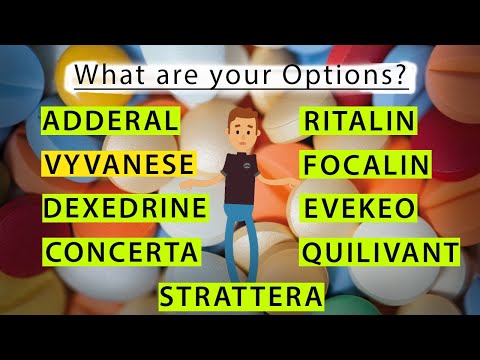
When it comes to treating ADHD, two popular medications often come up: Concerta and Vyvanse. But which one is right for you or someone you care about? The choice can be overwhelming. Each medication works differently, and their effects can vary from person to person.
This article aims to break down what Concerta and Vyvanse are all about—how they function, their benefits, and potential downsides. We’ll explore key differences so that you might have a better understanding of both options.
Remember, though, this information doesn’t replace medical advice. It’s crucial to consult with a healthcare professional before making any decisions about treatment. Your health is important! Let’s take a closer look at these medications together.
Navigating Your Journey to Finding the Right ADHD Medication
Finding the right medication for ADHD can be a bit overwhelming. You might have heard about Concerta and Vyvanse, two common choices. The thing is, they both work differently and may suit people in various ways.
Understanding ADHD Medications
ADHD medications fall into two main categories: stimulants and non-stimulants. Concerta is a stimulant, while Vyvanse, even though it’s also classified as a stimulant, has a unique feature that sets it apart.
Concerta: What Is It?
Concerta contains methylphenidate. It works by increasing the levels of certain brain chemicals that help with focus and impulse control. Usually, it has a quick kick-in time, so many people feel its effects within an hour. It’s designed to last throughout the day, helping you stay focused for up to 12 hours.
Vyvanse: What Makes It Different?
Vyvanse contains lisdexamfetamine. It’s interesting because it’s actually a prodrug, meaning it gets converted into an active form after being ingested. This usually results in smoother effects over time without those sharp peaks and troughs you might get with some other medications.
Dosing Differences
The dosing can differ quite a bit between these medications. Typically, Concerta is taken once daily due to its longer-lasting effects. Vyvanse might be taken once daily too but some find they need to adjust their doses more often based on how they’re feeling throughout the day.
Potential Side Effects
Both medications can cause side effects like decreased appetite or trouble sleeping, but how each person reacts can vary widely. Some folks may tolerate one better than the other—it really depends on your individual chemistry.
Your Experience Matters
When choosing between them, your personal experience is key. One person may find Concerta makes them feel too jittery while another thrives on it. Others might feel Vyvanse gives them more steady energy without racing thoughts.
A Team Effort
Taking medication isn’t just about popping a pill; it’s part of a larger treatment plan that often includes therapy or lifestyle changes too. Collaborating closely with your healthcare provider is important as you navigate what works best for you.
The Bottom Line
Your journey to finding the right ADHD medication can take some time and patience. Don’t hesitate to discuss your thoughts or side effects with your healthcare professional—they’re there to help you make an informed choice.
- This isn’t one-size-fits-all—what works best varies from person to person!
- Treating ADHD often includes more than just meds; consider additional supports like therapy.
- Tracking how you feel on each medication can lead to valuable insights during discussions with your doctor.
Understanding the Aftermath: How Vyvanse and Concerta Impact Your Energy Levels
Hey there! If you’re looking into ADHD treatments, you might have heard of Vyvanse and Concerta. Both are popular medications but can impact your energy levels somewhat differently. Let’s break it down.
What are Vyvanse and Concerta?
Vyvanse and Concerta are medications often prescribed for ADHD. They help people focus better by affecting brain chemicals like dopamine and norepinephrine. Think of them as helpers that make it easier to concentrate on tasks.
How do they work?
Vyvanse is what we call a “prodrug.” This means it becomes active only after your body processes it. It’s designed to release gradually, which can lead to more stable energy throughout the day.
Concerta, on the other hand, is a form of methylphenidate that uses a controlled-release system. It releases the medication in layers over time, which helps manage symptoms over several hours too.
The Energy Effects
You might wonder how these meds influence your everyday energy levels. Some people report that Vyvanse gives them steady energy, allowing them to be productive without the usual crashes you might feel with other stimulants.
Concerta can also provide consistent effects through its layered release system. But for some folks, it may cause fluctuations in energy leading to moments of tiredness or irritability when the medication wears off – kind of like running out of gas halfway through a road trip!
Your Individual Response Matters
The thing is, everyone’s body reacts differently to these medications. So while one person feels energetic with Vyvanse, another might find it makes them feel jittery or anxious instead.
If you’re trying either drug for ADHD treatment, pay attention to how they affect your daily life.
Does one lead you towards feeling more upbeat? Maybe another makes you more anxious? Recognizing patterns can really help in discussions with healthcare providers.
The Aftermath: What Happens When It Wears Off?
A common experience some people have is an “aftershock” when these medications wear off. The energy boost fades away; sometimes this can feel like an emotional dip as well.
It’s important not too ignore this aftermath—if you notice severe fatigue or mood swings when stopping medication it’s something worth chatting about with someone who understands!
Mood and Energy Levels Together
If you start feeling low or unusually tired as either medication wears off, remember that’s not uncommon! Finding ways to support yourself during these periods —like routine exercise or healthy meals—can make a difference over time.
Your Choice Matters!
If you’re choosing between Vyvanse and Concerta for ADHD treatment, keep in mind their different impacts on energy levels and overall mood. You might even find that starting at lower doses helps you gauge your response better before settling into something long term.
This journey is personal; don’t hesitate to seek support from friends or healthcare providers who will listen without judgment!
Navigating the Transition from Concerta to Vyvanse: What You Need to Know
Navigating the Transition from Concerta to Vyvanse
Switching medications for ADHD can feel a bit daunting, right? Concerta and Vyvanse are two common options, each with its own way of working in the body. It’s a good idea to understand what that means for you or someone you’re helping.
Understanding the Basics
Concerta is a stimulant that releases medication slowly throughout the day. It’s like turning on a faucet gently. Vyvanse works a bit differently. It’s designed to be activated only when it enters your body. Think of it like needing to squeeze a tube for toothpaste to come out.
Why Switch?
There can be several reasons why someone might move from Concerta to Vyvanse. Sometimes, people experience side effects with one medication that they don’t get with another. Other times, it might just not seem as effective after a while., You know?
The Transition Process
When transitioning, it’s important to do so carefully under guidance from someone knowledgeable about medications. The dosages will likely need adjusting because they don’t directly match up; like trying to convert inches into centimeters—it doesn’t always line up perfectly.
How Each Medication Feels
Your experience can vary significantly between these two medications. Some people report feeling more stable and focused on Vyvanse without the ups and downs. Others might find they prefer how Concerta fits their routine better.
Potential Side Effects
No medication is without its hiccups, right? Common side effects include loss of appetite, sleep issues, or even mood changes with both options but maybe in different degrees., So monitoring how you or someone you care about feels during this transition is key.
Communication Is Crucial
Talking openly about any concerns with your healthcare provider is super important., They can help address side effects or adjust dosages based on individual experiences and needs. Remember that this process isn’t just scientific; it’s personal too.
A Trial and Error Approach
The truth is, finding the right ADHD medication often takes some trial-and-error., What works wonderfully for one person may not be suitable for another at all! Keeping track of how each med makes you feel can really help in making better decisions moving forward.
Your Takeaway
Navigating between Concerta and Vyvanse involves understanding their differences and keeping an eye on how they affect daily life., It’s all about finding what fits best—making sure it supports personal goals effectively along the way!
Choosing Between Concerta and Vyvanse for ADHD Treatment
When it comes to treating Attention Deficit Hyperactivity Disorder, Concerta and Vyvanse are two popular choices. Both medications can help with focus, impulsivity, and hyperactivity. However, they work in different ways, so it’s important to understand their unique attributes.
Concerta is a formulation of methylphenidate, which means it’s a stimulant that affects the brain’s dopamine levels. It usually has a more immediate effect because it’s absorbed quickly. This means you might feel its impact within an hour or so after taking it. Many individuals appreciate this rapid response when they need to concentrate on specific tasks.
On the other hand, Vyvanse is lisdexamfetamine. It’s designed as a prodrug, meaning it’s inactive until your body processes it. This slow-release mechanism can result in a steadier effect throughout the day without sudden peaks and crashes in your mood or focus levels. For some people, this smoother experience is preferable.
Side effects can also differ between the two medications. Concerta may lead to insomnia or decreased appetite more often than Vyvanse does. However, everyone reacts differently; what works wonderfully for one person might not for another.
Doctors often consider lifestyle factors when recommending either medication too. For instance, if someone tends to forget doses easily, the long-lasting nature of Vyvanse might be better suited for them than Concerta’s multiple doses throughout the day.
A very crucial point? Ongoing communication with healthcare providers is key. Regular check-ins can help adjust dosages or even switch medications based on personal experiences and side effects.
The best approach is usually tailored to the individual’s needs and lifestyle preferences—not just focusing on clinical efficacy alone. Addressing both concerns will lead to better adherence and overall satisfaction with treatment.