The information provided in this article is intended solely for general informational and educational purposes. It does not constitute medical advice, diagnosis or professional treatment, and should not be considered a substitute for consultation with a qualified doctor or other licensed healthcare professional. Any health-related decisions should be made in consultation with accredited medical professionals.
While efforts have been made to ensure the information is accurate and up to date, no guarantees are given—either express or implied—regarding its accuracy, completeness, currency or suitability. Use of this information is at your own discretion.
It is strongly recommended to consult official sources such as the NHS (National Health Service) or other recognised medical institutions before acting on any information contained on this website or article. Under no circumstances should professional medical advice be ignored or delayed due to content read here.
This content is of a general and informational nature only. It is not intended to replace individualised guidance from a healthcare professional or to establish any doctor-patient relationship. The publication of this information does not imply any professional responsibility, guarantee or obligation on the part of the author or this site.
Have you ever noticed how some kids seem to bounce off the walls while others struggle to focus on a simple task? It’s not just a personality trait; sometimes it’s ADHD, or Attention Deficit Hyperactivity Disorder. This condition affects millions of children and adults alike, making it tough to manage daily life. Choosing the right treatment can feel overwhelming.
You might have heard of Strattera and Ritalin—two common medications used to treat ADHD. But which one is better? They both have their pros and cons, and what works for one person may not work for another. Understanding the differences can help you make an informed decision.
This article dives into the key aspects of Strattera and Ritalin, comparing their effectiveness, side effects, and even how they work in the brain. It’s important to remember that this information isn’t a substitute for professional medical advice. Always chat with a healthcare provider before deciding on any treatment plan.
Your journey toward managing ADHD is personal, so let’s explore these options together.
A Deep Dive into ADHD Medications: Real Experiences and Insights from Reddit Users
Attention Deficit Hyperactivity Disorder (ADHD) can be, well, pretty challenging for many. It’s no surprise that people turn to medications like Strattera and Ritalin. Both of these drugs have their own unique features, and users often share real experiences online.
Understanding Strattera
Strattera is an non-stimulant medication. Unlike Ritalin, it works on norepinephrine, a neurotransmitter that affects focus and attention. Many users report it takes longer to start working—sometimes weeks—but they appreciate the steadiness it offers throughout the day.
Imagine riding a bike on smooth terrain; Strattera can feel like that—consistent without sudden bumps. However, not everyone loves it. Some describe side effects like fatigue or stomach upset. It’s important to think about how your body might react.
Ritalin’s Approach
Now let’s talk about Ritalin. This one is a stimulant, meaning it ramps up certain brain chemicals quite quickly. Users often notice effects in 30 minutes to an hour after taking it. It’s a bit like flipping a switch; suddenly you can focus better.
The catch? Ritalin can wear off faster, which might create those familiar peaks and valleys in mood or attention throughout the day. Some folks find this rollercoaster ride hard to manage.
User Experiences
- On Strattera: Many appreciate its long-lasting effect without heavy highs or lows but are sometimes frustrated with initial side effects.
- On Ritalin: Users enjoy the quick boost in focus but grapple with the need for multiple doses during the day.
- Coping with Side Effects: Both groups discuss strategies for dealing with unwanted side effects; hydration and meal timing are commonly mentioned.
Mood Changes Matter
Mood swings are something both groups talk about quite passionately. Some users notice irritability with stimulants like Ritalin, while others feel more emotionally stable on Strattera despite its slower onset.
This variability shows it’s vital to listen to your body and observe how you feel on each medication type over time—patience is key!
The Cost Factor
If you’re considering either option, cost may come into play too! A lot of Redditors mention Strattera being pricier without insurance coverage compared to generic versions of Ritalin —that’s something worth checking out based on your personal situation!
Navigating Choices Wisely
The choice between Strattera and Ritalin isn’t always clear-cut; everyone has different needs based on their lifestyle and biology.
What works wonders for one person may not do much for another.
It’s perfectly okay to take your time exploring options while consulting healthcare professionals along the way.
Hearing stories from real people offers insight but should never substitute solid medical advice.
Keep gathering information as you go—and remember– you’re not alone in this journey!
Comparing Two Approaches to ADHD Management in Adults
Understanding ADHD Management in Adults
Managing ADHD in adults is a process that can look different for each person. Two common medications for treating ADHD are Strattera and Ritalin. Both come with their own pros and cons. Sometimes, someone might wonder which one to choose.
What is Strattera?
Strattera, or atomoxetine, isn’t a stimulant. It’s what’s known as a selective norepinephrine reuptake inhibitor (NRI). Basically, it helps increase levels of norepinephrine, a chemical in the brain that plays a role in attention and impulse control.
A big plus? Strattera can be taken any time of the day without the risk of sleep problems that some people experience with stimulants. However, it might take several weeks to feel its full effects.
What about Ritalin?
Ritalin is a stimulant medication, specifically methylphenidate. Stimulants often work faster than non-stimulants—many find they feel results within hours after taking it. It boosts dopamine levels in the brain; dopamine impacts focus and motivation.
However, these medications can have side effects like increased heart rate or insomnia. Some people also worry about potential misuse since stimulants can be addictive when not taken as prescribed.
The Side Effects
- Strattera: Common side effects include tiredness, stomach upset, or mood swings.
- Ritalin: Users might experience headaches, anxiety, or appetite loss.
Mental Health Factors
This decision isn’t just about chemistry; it’s also personal. Some individuals are more sensitive to certain medications than others. For example, if you’ve had issues with anxiety in the past, you might prefer Strattera since it’s less likely to exacerbate that condition compared to Ritalin.
The Role of Lifestyle
Lifestyle choices play an important part too! Regular exercise and a balanced diet can enhance how either medication works. It’s often beneficial to combine pharmaceutical treatment with behavioral therapies or coaching aimed at improving time management and organizational skills.
Taking Next Steps
If you’re considering either medication—or perhaps switching from one to another—it’s critical to talk openly with your healthcare provider. They can help navigate your options based on your specific needs and health history.
Your Choice Matters
No single approach works for everyone when managing ADHD symptoms in adults; it’s really about finding what fits your life best. After all those factors are considered—medication type and lifestyle—you’ll have everything you need to make an informed choice that’s right for you!
Comparing the Impacts on Your Health and Well-Being
Strattera vs. Ritalin: Choosing the Right ADHD Treatment
Hey, when it comes to ADHD treatment, two commonly discussed options are Strattera and Ritalin. Both can help people manage symptoms like inattentiveness or impulsivity, but they work in different ways.
What Is Strattera?
Strattera, also known as atomoxetine, is a non-stimulant medication. It mainly affects the levels of norepinephrine in the brain. Think of norepinephrine like a gas pedal for focus and attention—it helps you stay on track.
A key point is that Strattera may take longer to show its effects—sometimes up to several weeks. People often find it helpful because it doesn’t carry the same risk of addiction as stimulants do.
What Is Ritalin?
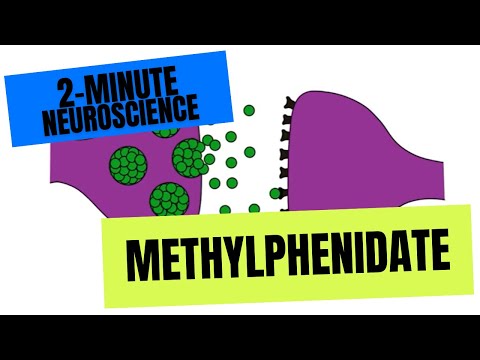
Ritalin, or methylphenidate, is a stimulant medication. It works by increasing levels of dopamine and norepinephrine in the brain—almost like adding more fuel to your engine to help you zoom ahead.
This can lead to quicker results for some individuals; people might notice improvements in their focus within days. However, because it’s a stimulant, there are considerations regarding misuse or dependency.
Side Effects Matter
You know? Both medications come with potential side effects. For Strattera, common ones include fatigue and stomach upset; they might not seem like much at first but can disrupt daily routines.
Ritalin might cause insomnia or increased heart rate—issues some folks can’t ignore either. It’s important to weigh these side effects against how each option fits into your life.
The Right Choice for You
An individual’s response varies widely based on personal body chemistry and lifestyle factors. Sometimes people try both medications before finding out which one helps them best manage their ADHD symptoms.
A conversation with a healthcare provider who understands your history is critical here—they’ll help guide that choice! Just keep in mind that what works well for one person may not be ideal for another.
The Bigger Picture
The impact of these treatments goes beyond just managing symptoms; they affect overall well-being too. When someone finds the right medication fit, it can lead to better relationships, improved performance at school or work, and enhanced self-esteem—so it’s pretty significant.
Final Thoughts
Ultimately choosing between Strattera and Ritalin involves considering a lot of factors—effectiveness, side effects and your specific needs. Taking time to evaluate these options carefully can make all the difference!
- Know yourself: track any changes you feel on either medicine while keeping notes about how each affects your day-to-day life.
- Tune into feelings: notice how treatment impacts emotions along with attention spans; sometimes those subtle shifts indicate what’s working!
- Evolve: be open to change—medications aren’t one-size-fits-all solutions!
Strattera vs. Ritalin: Choosing the Right ADHD Treatment
When it comes to treating Attention Deficit Hyperactivity Disorder (ADHD), Strattera and Ritalin are two commonly discussed options. Both have their unique mechanisms and benefits, but choosing the right one can feel complicated.
Strattera, or atomoxetine, is a non-stimulant medication. It works by selectively inhibiting the reuptake of norepinephrine in the brain. Think of norepinephrine as a key player that helps with attention and focus. This medication can be particularly beneficial for those who may not respond well to stimulants or have a history of substance abuse.
On the other hand, Ritalin, known generically as methylphenidate, is a stimulant. It increases levels of dopamine and norepinephrine. These neurotransmitters are crucial for attention and behavior regulation. Many people see rapid improvements in symptoms with Ritalin; it’s often preferred because its effects can be felt relatively quickly.
But it’s important to note that these medications work differently for different individuals. Some might find Strattera effective without the jittery side effects that stimulants can sometimes cause; others might need Ritalin’s sharper focus for daily tasks.
Choosing between them involves looking at various factors like age, health history, potential side effects, and personal preferences. Regular follow-ups with a healthcare provider are essential to adjust treatment based on how an individual responds over time.
If you or someone you know is navigating ADHD treatments, consider discussing these options openly with a healthcare professional who understands your specific situation.