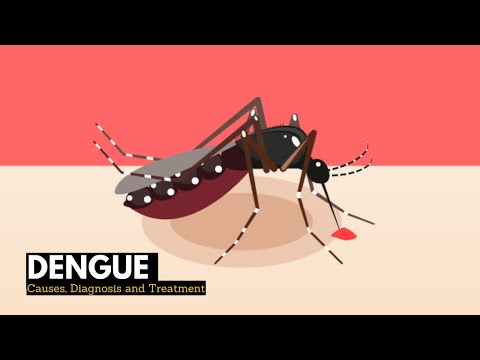
Dengue fever is a tropical illness caused by the dengue virus, which is transmitted mainly through mosquitoes. Imagine a seemingly harmless mosquito being the culprit behind a condition that can cause serious health issues. This makes understanding dengue fever vital, especially in areas where it’s prevalent.
What should you know about this disease? It’s not just about high fevers and body aches; dengue presents several key symptoms that can be quite debilitating. Knowing these can help with early detection and treatment, making all the difference in recovery.
In this exploration of dengue fever, we will dive into its key symptoms, causes, and available treatments. Understanding these aspects will empower you to make informed decisions regarding your health or the health of loved ones.
However, it’s crucial to take caution. Dengue can lead to severe complications if not recognized and treated promptly. Always inform yourself by seeking advice from different specialists and trusted media sources. This way, you’ll have a well-rounded understanding of dengue fever and be better equipped to respond if needed. Your health matters—stay curious, stay informed!
The information provided in this article is intended solely for general informational and educational purposes. It does not constitute medical advice, diagnosis or professional treatment, and should not be considered a substitute for consultation with a qualified doctor or other licensed healthcare professional. Any health-related decisions should be made in consultation with accredited medical professionals.
While efforts have been made to ensure the information is accurate and up to date, no guarantees are given—either express or implied—regarding its accuracy, completeness, currency or suitability. Use of this information is at your own discretion.
It is strongly recommended to consult official sources such as the NHS (National Health Service) or other recognised medical institutions before acting on any information contained on this website or article. Under no circumstances should professional medical advice be ignored or delayed due to content read here.
This content is of a general and informational nature only. It is not intended to replace individualised guidance from a healthcare professional or to establish any doctor-patient relationship. The publication of this information does not imply any professional responsibility, guarantee or obligation on the part of the author or this site.
Understanding the Signs and Solutions for Dengue Fever
Dengue fever is a viral illness spread by mosquitoes, primarily the Aedes aegypti. It is common in tropical and subtropical climates. Understanding its signs and solutions can help you stay informed.
The symptoms of dengue often appear around 4 to 10 days after being bitten by an infected mosquito. Key symptoms include:
Many people describe the pain as “breakbone” because it can be quite intense. Some may also develop a rash, which usually appears a few days after the fever starts.
Most cases are mild and resolve on their own within a week or so. However, it’s important to keep an eye on your symptoms. Severe dengue can occur, which may cause bleeding, organ impairment, or even death.
So what causes dengue? The virus is transmitted through the bite of an infected mosquito. These mosquitoes breed in stagnant water, like puddles or containers left outside.
Preventing dengue focuses mainly on avoiding mosquito bites. Here are some effective strategies:
Currently, there’s no specific treatment for dengue fever. Supportive care is crucial. This means staying hydrated and managing pain with medications like acetaminophen.
Avoid using aspirin or non-steroidal anti-inflammatory drugs (NSAIDs) as they can worsen bleeding issues related to severe dengue.
If someone shows severe symptoms such as persistent vomiting or difficulty breathing, it’s essential to seek medical attention right away.
Remember that prevention is key. Stay aware of your surroundings and take steps to protect yourself from mosquitoes. By understanding dengue fever better, you can help safeguard your health!
Uncovering the Hidden Triggers Behind a Widespread Illness
Dengue fever is a viral illness that can affect anyone living in or traveling to certain regions. It’s caused by the dengue virus, which is primarily spread through mosquito bites. Understanding this illness requires looking into its symptoms, causes, and potential treatments.
Key Symptoms: Dengue symptoms typically emerge four to ten days after being bitten by an infected mosquito. Common signs include:
Some people might experience only mild symptoms, while others can develop severe dengue, which can be life-threatening.
Causes: The primary cause of dengue fever is the Aedes mosquito, particularly the Aedes aegypti species. These mosquitoes thrive in tropical and subtropical climates. They usually breed in stagnant water found in flower pots, discarded tires, or any container.
Risk factors include living in or traveling to endemic areas, not using protective measures against mosquitoes, and even seasons of heavy rainfall that increase breeding sites.
Treatment: There’s currently no specific antiviral treatment for dengue fever. Instead, management focuses on symptom relief:
In cases of severe dengue with complications such as bleeding or organ impairment, hospitalization may be necessary for careful monitoring and supportive care.
It’s important to note that many misconceptions surround dengue. Some think it can be spread person-to-person; however, that’s not true. It strictly spreads through mosquito bites.
Prevention: The best way to avoid dengue is by preventing mosquito bites:
Keeping your living space clean and free of stagnant water is essential too.
By understanding the triggers behind dengue fever and taking proactive measures against it, we can all contribute to reducing its impact on communities affected by this illness. Stay informed and prioritize preventive actions for better health outcomes!
Essential Signs You Shouldn’t Ignore for Your Health and Safety
Dengue fever is a serious illness caused by the dengue virus, which is spread by mosquitoes. Understanding its symptoms can be crucial for your health and safety. Here are essential signs you shouldn’t ignore.
First, look for high fever. A sudden increase in temperature, often reaching up to 104°F (40°C), is common in dengue cases. This fever usually comes on quickly and lasts for several days.
Next, watch for severe headaches. These aren’t just typical discomforts; they’re often intense and located behind the eyes. Many patients describe it as an unbearable pounding sensation.
Joint and muscle pain are also major indicators. Some people refer to this symptom as “breakbone fever” because of the extreme pain experienced in these areas.
Another critical sign is rash. It can appear a few days after the fever starts and may be itchy or painful. It often looks like a sunburn or spots that can cover large areas of skin.
Nausea and vomiting may occur too. If someone is frequently feeling sick to their stomach or actually throwing up, it’s important to take this seriously.
This could show up as nosebleeds, gum bleeding, or unusual bruising on the skin. These signs can indicate a more severe form of dengue known as dengue hemorrhagic fever.
If you notice any combination of these symptoms, seeking medical attention promptly is essential. Early diagnosis can help manage the disease better and improve outcomes.
It’s also vital to remember that not everyone with dengue will have all these symptoms, but if they do occur together, act quickly.
Preventive measures are your best bet against dengue. Using mosquito repellent, wearing long sleeves, and eliminating standing water around your home can reduce risk significantly.
In conclusion, knowing what signs to watch out for with dengue fever can make a difference in health outcomes. Always stay informed and prioritize your well-being!
Dengue fever is a significant health concern, especially in tropical and subtropical regions. Understanding this disease requires recognizing its symptoms, causes, and treatment options.
Symptoms can range from mild to severe. Common signs include high fever, severe headache, joint and muscle pain, and skin rashes. In some cases, it can progress to a more serious condition called dengue hemorrhagic fever, which can be life-threatening.
The causes of dengue fever are well understood. It is primarily transmitted through the bite of infected Aedes mosquitoes. These mosquitoes thrive in urban areas and breed in stagnant water. Awareness of mosquito breeding sites is crucial for prevention.
As for treatment, there is no specific antiviral medication for dengue. Management focuses on relieving symptoms. Staying hydrated is vital because dehydration can exacerbate the condition. Over-the-counter pain relievers like acetaminophen may help alleviate fever and pain, but aspirin should be avoided as it could worsen bleeding risks.
Understanding dengue fever is key to prevention and management. By recognizing symptoms early and implementing mosquito control measures, individuals can reduce the risk of infection significantly. Community education plays an essential role in combating this disease effectively.