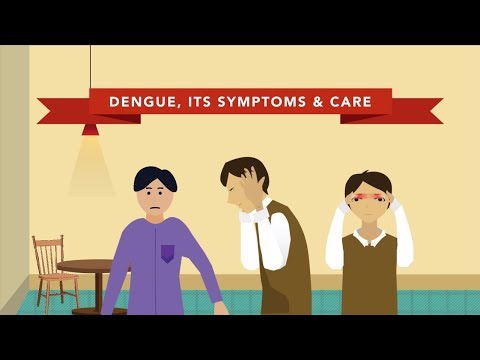
Dengue fever can be a tricky condition to navigate. Imagine getting struck down with high fever, severe headaches, and excruciating joint pain—all symptoms that can feel like a terrible flu. Dengue is transmitted by mosquitoes, particularly the Aedes species, which are often active during the day. Understanding its symptoms and risks is essential for safeguarding your health.
Recognizing dengue early can make a huge difference in how it affects you. Common signs include high fever, rash, muscle and joint pain, and fatigue. While most people recover within a week, some may experience severe forms of dengue that require medical attention.
Managing risk involves knowing your environment and taking precautions against mosquito bites. Simple steps like wearing light clothing, using insect repellents, and eliminating standing water around your home can make a significant difference.
Warning: Dengue fever is not something to take lightly. As symptoms can mimic other illnesses, it’s crucial to stay informed through reliable sources and consult health professionals when necessary. Seek insights from different specialists or trusted media outlets to fully understand the condition and elevate your awareness about prevention strategies. Your health matters!
The information provided in this article is intended solely for general informational and educational purposes. It does not constitute medical advice, diagnosis or professional treatment, and should not be considered a substitute for consultation with a qualified doctor or other licensed healthcare professional. Any health-related decisions should be made in consultation with accredited medical professionals.
While efforts have been made to ensure the information is accurate and up to date, no guarantees are given—either express or implied—regarding its accuracy, completeness, currency or suitability. Use of this information is at your own discretion.
It is strongly recommended to consult official sources such as the NHS (National Health Service) or other recognised medical institutions before acting on any information contained on this website or article. Under no circumstances should professional medical advice be ignored or delayed due to content read here.
This content is of a general and informational nature only. It is not intended to replace individualised guidance from a healthcare professional or to establish any doctor-patient relationship. The publication of this information does not imply any professional responsibility, guarantee or obligation on the part of the author or this site.
Recognizing the Signs Early for a Swift Response
Dengue fever is a viral infection spread by mosquitoes, particularly the Aedes species. It can lead to serious health issues if not recognized and treated early. Understanding the early signs can make a big difference.
Recognizing symptoms early is key. Symptoms usually appear 4 to 10 days after being bitten by an infected mosquito. Common signs include:
These symptoms often mimic other illnesses, which can make dengue tricky to spot. However, paying attention to these details can help in getting timely care.
As dengue progresses, some people may develop severe forms like dengue hemorrhagic fever or dengue shock syndrome. These conditions can be life-threatening. Watch for more serious signs such as:
If you notice these symptoms after having mild ones, it’s crucial to seek medical help immediately.
Prevention is also important. Eliminating mosquito breeding grounds helps reduce the risk of dengue. You can do this by:
Dengue is more common in tropical areas during rainy seasons when mosquitoes breed more easily. Awareness during these times is essential.
Finally, staying hydrated and resting are key parts of managing dengue fever if you catch it. Always consult with a healthcare professional if you’re unsure about your symptoms or feel unwell.
Understanding the signs of dengue helps individuals react swiftly, potentially saving lives. By staying informed and proactive, we can work together to fight against this disease effectively.
Understanding the Threat of Dengue Fever and How to Stay Safe
Dengue fever is a viral infection, mainly spread by mosquitoes. It’s common in tropical and subtropical areas. Understanding its symptoms and risks is crucial for staying safe.
The dengue virus is carried by the Aedes mosquito. These mosquitoes bite during the day, especially in the early morning and late afternoon. If you live or travel to affected areas, be aware.
Recognizing symptoms early can help manage the condition. Common symptoms include:
Symptoms usually appear 4 to 10 days after being bitten. Many people recover within a week, but some may develop more severe forms of the disease.
Preventing dengue involves simple steps. Here are some effective strategies:
If you suspect you have dengue fever, it’s important to see a healthcare provider. They can help assess your condition and guide you through recovery.
Keep hydrated if you’re showing symptoms because fever can lead to dehydration. Avoid aspirin or ibuprofen as these can increase bleeding risks.
Lastly, search for reliable sources when learning about dengue fever. There are many myths surrounding it that can mislead people.
Knowing how to recognize symptoms and prevent bites empowers you to stay safe against dengue fever. Stay informed, take precautions, and look out for your community’s health too!
Navigating Treatment and Care for a Widespread Tropical Illness
Dengue fever is a viral illness transmitted by mosquitoes, primarily the Aedes species. It’s common in tropical and subtropical regions. Understanding this disease is crucial for those living in or traveling to these areas.
The symptoms of dengue can appear between four to ten days after being bitten. They often start suddenly and can include fever, severe headache, joint and muscle pain, rash, and mild bleeding. Some people may experience fatigue or nausea.
Recognizing these symptoms early is key because dengue can become severe in some cases. Severe dengue can lead to bleeding, organ failure, or even death. If someone experiences sudden abdominal pain, persistent vomiting, or difficulty breathing after initial symptoms improve, it’s important to seek medical attention right away.
Managing dengue revolves around supportive care. There’s no specific treatment for the virus itself. Instead, the focus is on keeping hydrated and managing fevers with acetaminophen as advised by a healthcare provider.
Here are some essential tips for navigating treatment:
Prevention remains your best bet against dengue. This involves reducing mosquito exposure:
Education plays a huge role in managing this illness effectively. Understand local risks if you’re traveling and take precautions seriously.
There are also vaccines available that can help prevent dengue in certain populations. These vaccines are not suitable for everyone and should be discussed with a healthcare provider.
Finally, always remember that while knowledge about dengue fever helps in prevention and early recognition, consulting with health professionals when sick is essential for proper care and advice tailored to individual needs.
Dengue fever is a significant public health concern, especially in tropical and subtropical regions. It’s crucial to recognize the symptoms early, as timely intervention can make a difference in recovery and overall health outcomes.
Symptoms of dengue fever typically appear 4 to 10 days after being bitten by an infected mosquito. Common signs include high fever, severe headaches, pain behind the eyes, joint and muscle pain, fatigue, and rash. In some cases, the illness can progress to severe dengue, which may involve bleeding and organ impairment. Understanding these symptoms can empower individuals to seek medical attention promptly.
Managing risks involves both prevention and awareness. Mosquito control is key—eliminating standing water where mosquitoes breed is crucial. Moreover, wearing protective clothing and using insect repellent can help shield against bites.
It’s also important to debunk common myths surrounding dengue fever. Many people believe that it’s a disease only spread during certain seasons; however, it can occur year-round if conditions are favorable for mosquitoes.
Encouraging education about dengue fever within communities is vital for reducing its prevalence. By recognizing symptoms and understanding preventive measures, we can collectively reduce the burden of this disease on public health systems while promoting individual well-being.