The information provided in this article is intended solely for general informational and educational purposes. It does not constitute medical advice, diagnosis or professional treatment, and should not be considered a substitute for consultation with a qualified doctor or other licensed healthcare professional. Any health-related decisions should be made in consultation with accredited medical professionals.
While efforts have been made to ensure the information is accurate and up to date, no guarantees are given—either express or implied—regarding its accuracy, completeness, currency or suitability. Use of this information is at your own discretion.
It is strongly recommended to consult official sources such as the NHS (National Health Service) or other recognised medical institutions before acting on any information contained on this website or article. Under no circumstances should professional medical advice be ignored or delayed due to content read here.
This content is of a general and informational nature only. It is not intended to replace individualised guidance from a healthcare professional or to establish any doctor-patient relationship. The publication of this information does not imply any professional responsibility, guarantee or obligation on the part of the author or this site.
Effective Treatments for Lyme Disease: What You Need to Know
Have you ever found a tick on your skin after a hike? It’s pretty common, especially in wooded areas during warmer months. But did you know that some ticks can carry Lyme disease? It’s true, and the symptoms can sometimes be tricky to catch.
If you’re feeling overwhelmed about it, you’re not alone. Many people have questions about Lyme disease and its treatment options. This article explores effective treatments for Lyme disease, so you can understand your choices better. We’ll break things down into digestible pieces that make sense.
Why should this matter to you? Well, knowing how to recognize Lyme disease early on and what treatments are available can significantly affect recovery outcomes. The right information empowers you to make informed decisions regarding your health.
Remember, though: this content isn’t a substitute for professional medical advice. Health decisions should always be made in consultation with a healthcare provider who knows your unique situation. Alright? Let’s get started!
Understanding the Risks and Realities of Lyme Disease
Understanding Lyme Disease
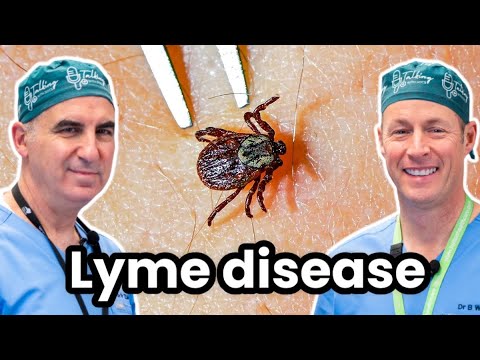
Lyme disease is an infection caused by bacteria called Borrelia, which are transmitted to humans through tick bites. You know, those tiny critters that can be hard to spot on your skin? They thrive in grassy and wooded areas, especially in spring and summer.
Symptoms can appear within a few days to weeks after a tick bite. The hallmark sign is often a circular rash resembling a “bull’s-eye,” but not everyone gets this. Other early signs might include fatigue, fever, headaches, or muscle aches. Sometimes people might just feel like they have the flu.
Risks and Complications
If Lyme disease isn’t treated early, it can lead to more serious complications like joint pain and neurological issues. Imagine waking up one day with your knees feeling stiff or your fingers tingling—these can be effects of untreated Lyme.
Some folks may develop what’s known as Post-Treatment Lyme Disease Syndrome (PTLDS). This means they continue to have symptoms like fatigue or joint pain even after receiving treatment.
Treatment Options
Treatment usually involves antibiotics, which are medications that help eliminate the bacteria causing the infection. Commonly prescribed ones include doxycycline and amoxicillin. They typically work well when taken as directed.
The duration of treatment may vary. Sometimes it’s just two weeks; other times it could go on for a month or more based on symptoms and the response to meds. It’s super important to finish the full course of antibiotics so you get rid of all the bacteria.
Addressing Myths
A common myth is that Lyme disease is always chronic or permanent. Most people treated early do recover fully without long-term effects. So while some do experience ongoing symptoms, many others return to their normal lives post-treatment.
You might hear about alternative treatments—like herbal remedies—that claim to fix everything without side effects. But there’s limited scientific support for these methods, so proceed carefully if considering them.
The Bottom Line
If you suspect you’ve been bitten by a tick or feel unwell afterward, it’s wise to consult with someone who knows about it! Early detection can make a huge difference with how well someone responds to treatment.
- Check yourself for ticks after being outdoors.
- If you find one attached, remove it promptly using tweezers.
- Keep an eye out for any unusual symptoms following a bite.
The key takeaway? Being informed about Lyme disease can empower you to take action early—and that’s always better than waiting around!
Unlocking the Best Treatment Option for Lyme Disease Relief
Understanding Lyme Disease
Lyme disease is an infection caused by the bacterium Borrelia, which ticks often carry. When a tick bites you, it can transmit this bacteria into your bloodstream. While not everyone who gets bitten will develop Lyme disease, it’s essential to know the signs and symptoms.
Common symptoms include a rash that resembles a “bull’s-eye,” fever, fatigue, and joint pain. If untreated, Lyme can lead to more severe problems affecting the heart and nervous system. So, recognizing those early signs is crucial.
How is Lyme Disease Diagnosed?
Diagnosis usually starts with a physical exam followed by an assessment of your recent history—like time spent outdoors or potential tick exposure. Sometimes doctors will do blood tests but these aren’t always completely reliable in early stages.
Treatment Options for Lyme Disease
The treatment for Lyme disease generally involves antibiotics. The specific choice and duration depend on several factors such as the stage of the disease and individual health considerations.
- Oral Antibiotics: Doxycycline is one common option that’s prescribed for early-stage cases.
- Intravenous Antibiotics: For more serious cases or neurological issues, IV antibiotics like ceftriaxone may be used.
- Treatment Duration: Most courses last about two to four weeks; however each case can vary based on personal health.
The Role of Supportive Care
Apart from antibiotics, supportive care plays an important role in recovery too. This means managing symptoms like pain or fatigue through over-the-counter medications or physical therapy when needed.
Lifestyle Changes That Can Help
You might find incorporating healthy habits beneficial for overall recovery. Eating a balanced diet helps bolster your immune system while staying hydrated promotes better healing. Regular moderate exercise can also improve mood and energy levels over time.
Misinformation & Critical Thinking
There’s lots of information out there around alternative treatments or natural remedies claiming to cure Lyme disease. It’s essential to approach these with skepticism and consult trusted medical advice before trying anything new.
The Bottom Line
Treating Lyme disease typically involves antibiotics tailored to individual needs along with supportive measures for comfort during recovery. Recognizing symptoms early can greatly improve outcomes, so stay informed if you’re at risk!
Understanding the Journey of Living with Lyme Disease
Lyme disease, caused by the bite of an infected tick, can be a complex challenge. The journey often starts with a simple tick bite that goes unnoticed. But soon after, symptoms like fatigue, headaches, and joint pain can set in. It’s kind of like getting hit with a nasty flu that just won’t go away.
Once diagnosed, treatment usually begins with antibiotics. Common options are doxycycline or amoxicillin for early-stage Lyme disease. It’s important to follow your healthcare provider’s advice and complete the entire course. Skipping doses can lead to setbacks.
The Importance of Early Detection
Catching Lyme disease early makes treatments more effective. You might notice a bull’s-eye rash where the tick bit you; that’s a classic sign. However, not everyone gets this rash! If you have flu-like symptoms and there’s been potential tick exposure, it’s best to check in with a healthcare professional.
Chronic Lyme Disease: What Happens Next?
Some people face lingering symptoms even after treatment. This is sometimes referred to as Post-Treatment Lyme Disease Syndrome (PTLDS). Imagine finishing your antibiotics but still feeling wiped out or experiencing joint pain—it can be frustrating!
Living with chronic symptoms may require additional support like physical therapy or counseling. Some individuals find alternative therapies helpful as well, although evidence varies on their effectiveness.
A Holistic Approach
Coping strategies are vital as well as treatments! Eating nutritious foods, staying hydrated, and getting good sleep can make a real difference in how you feel day to day. Stress management techniques such as mindfulness or yoga might also help manage symptoms.
Support Systems Matter
You’re not alone in this! Joining support groups—whether online or in person—can provide valuable connections and insight from others who understand what you’re going through.
A Word on Prevention
Prevention is key when it comes to ticks! Wearing long sleeves and using insect repellent when exploring wooded areas can help keep ticks at bay. And always do those pesky tick checks after being outdoors!
Ultimately, navigating Lyme disease can be challenging but knowing more about it helps empower those affected by it. Keep communication open with healthcare professionals, listen to your body, and don’t hesitate to seek out support from loved ones or groups who share similar experiences.
Effective Treatments for Lyme Disease: What You Need to Know
Lyme disease is a tick-borne illness caused by the bacterium Borrelia burgdorferi. Getting treated early can be crucial. It’s often diagnosed based on symptoms, history of tick exposure, and sometimes lab tests. But what are the effective treatments?
Antibiotics as the First Line
The backbone of Lyme disease treatment is antibiotics. For early-stage Lyme disease, oral antibiotics like doxycycline or amoxicillin are commonly prescribed. Treatment typically lasts about 10 to 21 days, depending on how severe the situation is.
Persistent Symptoms
Sometimes, even after finishing antibiotics, people report lingering symptoms like fatigue or joint pain. This condition is known as post-treatment Lyme disease syndrome (PTLDS). Unfortunately, there’s no proven cure for PTLDS as research continues to explore its causes.
What About Alternative Treatments?
Some patients seek alternative therapies such as herbal remedies or energy healing. While they may provide some comfort for some individuals, it’s essential to approach these with caution and consult healthcare professionals before trying them. The reality is that scientific evidence supporting these alternatives isn’t strong.
The Importance of Prevention
Preventing tick bites remains critical in avoiding Lyme disease altogether. Wearing long clothing in wooded areas and using insect repellent can significantly reduce risk.
A Collaborative Approach
Tackling Lyme disease effectively requires cooperation between patients and healthcare providers. Open communication about symptoms and treatment options is vital for optimal care outcomes.
Staying informed about new research can empower individuals to make educated choices regarding their health too. Keeping an eye on ongoing studies may reveal future advances in treatment options.