The information provided in this article is intended solely for general informational and educational purposes. It does not constitute medical advice, diagnosis or professional treatment, and should not be considered a substitute for consultation with a qualified doctor or other licensed healthcare professional. Any health-related decisions should be made in consultation with accredited medical professionals.
While efforts have been made to ensure the information is accurate and up to date, no guarantees are given—either express or implied—regarding its accuracy, completeness, currency or suitability. Use of this information is at your own discretion.
It is strongly recommended to consult official sources such as the NHS (National Health Service) or other recognised medical institutions before acting on any information contained on this website or article. Under no circumstances should professional medical advice be ignored or delayed due to content read here.
This content is of a general and informational nature only. It is not intended to replace individualised guidance from a healthcare professional or to establish any doctor-patient relationship. The publication of this information does not imply any professional responsibility, guarantee or obligation on the part of the author or this site.
Have you ever felt a scratchy sensation in your eyes and wondered what to do about it? It’s super common, really. Sometimes, it could be just dust or allergy, but other times, you might need a little extra help. That’s where ophthalmic ointments come in.
These specialized creams or gels can soothe irritated eyes and fight infections. But wait—are they really safe? What about side effects? Honestly, it’s essential to know the ins and outs before using any kind of medication.
This article dives into the essentials of ophthalmic ointments. We’ll explore their uses, why they’re prescribed, and the potential risks involved. Understanding this can empower you to make better choices about your eye health.
Remember though: while this information is valuable, it doesn’t replace professional medical advice. Always chat with a healthcare professional before starting any new treatment for your eyes or any part of your body.
Understanding the Safe Duration for Sodium Chloride Eye Drops Use
Understanding Sodium Chloride Eye Drops
Sodium chloride eye drops, or saline solutions, are used mainly to moisten dry eyes and relieve irritation. But how long can you use them safely? Let’s dive into some essential facts.
What Are Sodium Chloride Eye Drops?
Essentially, these drops contain saltwater that mimics the natural tears in your eyes. They help keep your eyes hydrated and may be prescribed for conditions like dry eye syndrome.
Common Uses
- Moisturizing dry eyes
- Removing debris from the eye
- Treating certain eye conditions as directed by a healthcare professional
Safe Duration of Use
The safe duration for using sodium chloride eye drops can vary. Many people use them several times a day without issue. However, it’s crucial to read labels and follow what your pharmacist or doctor says, since some products are designed for short-term use only.
If you’re using over-the-counter drops, they often have fewer restrictions. But if you notice any recurring symptoms after prolonged use, it might be time to consult with someone who can provide advice on your specific situation.
Potential Risks and Side Effects
- Irritation or burning sensation upon application
- Allergic reactions in rare cases
- Your eyes might become dependent on artificial tears if used excessively
When to Seek Professional Advice
If you’re still experiencing discomfort or dryness even after using these drops regularly for an extended period—like say two weeks—it’s worth talking about it with someone qualified. You’re not alone; this happens to many people!
A General Rule of Thumb
A good approach is to limit usage of any ophthalmic drop to as needed unless otherwise instructed—just like you wouldn’t take the same medication every day without knowing its effects.
The Bottom Line
Sodium chloride eye drops serve a useful purpose in managing dry eyes but should be used thoughtfully. Keeping an open line of communication with a healthcare provider helps ensure you’re using them appropriately.
Remember: It’s always better to ask questions than just assume everything will work out fine! Your comfort and health matter the most!
Discover the Benefits and Uses of Sodium Chloride Eye Drops for Your Eye Health
Understanding Sodium Chloride Eye Drops
Sodium chloride eye drops are a simple saline solution. They contain salt, water, and sometimes preservatives. Yeah, it sounds basic, but they serve important roles in keeping our eyes healthy.
Why Use Sodium Chloride Eye Drops?
These drops can help when your eyes feel dry or irritated. That could be due to allergies, long hours on the computer or even environmental factors like wind and sun. Using sodium chloride eye drops may give your eyes a little moisture boost.
When Are They Helpful?
If you’re experiencing dryness, irritation from contact lenses, or even some kinds of infections, these drops might be useful. Think of them as a gentle rinse that helps flush out irritants from the surface of your eyes.
What About Contact Lens Users?
If you wear contact lenses, you know how crucial moisture is for comfort. Sodium chloride eye drops can provide relief by keeping lenses hydrated. Just remember to check if they’re compatible with your specific type of lens!
The Role in Eye Health
Sodium chloride has an important job in maintaining the balance of moisture in your eyes. They can help reduce swelling and irritation when used correctly. It’s like giving your eyes a comforting hug!
Potential Risks to Keep in Mind
The thing is, while these eye drops are helpful for many people, they might not suit everyone perfectly. Allergic reactions can happen but they’re rare.
- Irritation: Sometimes more salt can actually irritate sensitive eyes instead of helping.
- Overuse: Using them too often might lead to more dryness over time.
- Preservatives: Some formulations contain preservatives that could cause issues for sensitive individuals.
A Note on Ointments
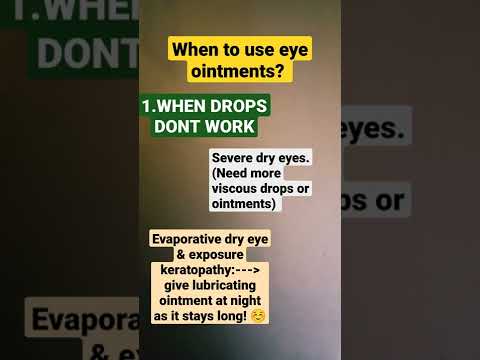
If you’re familiar with ophthalmic ointments – similar but thicker than eye drops – it’s worth noting that they help seal moisture in for longer periods. They’re typically used at night because they can blur vision temporarily.
The Bottom Line
Sodium chloride eye drops have plenty of benefits when used appropriately; however it’s crucial to approach any health product thoughtfully. Make sure to read labels carefully and consult with someone if you have specific concerns about their use!
A Comprehensive Guide to Choosing the Right Eye Drops
Choosing the right eye drops can feel overwhelming, right? With so many options out there, it’s easy to get lost. Let’s break it down a bit, so you feel more informed about what you’re picking.
Types of Eye Drops
First off, you should know that eye drops come in several categories. Here are a few main types:
- Artificial Tears: These are great for dry eyes. Think of them like moisturizer for your eyes.
- Allergy Drops: If pollen or pet dander makes your eyes itchy, these can help relieve the discomfort.
- Antibiotic Drops: These are used for infections. Consider them like a targeted shield against the bad stuff.
- Steroid Drops: Sometimes prescribed for inflammation; they work like a strong warrior but come with potential risks if used long-term.
Understanding Ingredients
You might notice that different eye drops contain various active ingredients. This is important! For instance, some may have preservatives while others don’t. Preservatives help keep the drops effective longer but can irritate sensitive eyes over time.
If you’re using them frequently, look for preservative-free options—especially if you wear contact lenses!
The Risks Involved
No product is without its risks, and eye drops are no exception. Overusing certain types can lead to complications. For example, steroid drops can increase intraocular pressure, which might lead to glaucoma in some people.
Your eyes may also get accustomed to certain types of allergy drops; this could lead to needing more and more over time—a bit like building up tolerance.
The Importance of Consultation
You probably wonder when it’s time to see someone about your eye issues? If things don’t improve after a few days or if you experience severe discomfort or vision changes, reaching out is wise. Your healthcare provider can recommend based on your specific needs rather than guessing ourselves!
A Look at Ophthalmic Ointments
This discussion wouldn’t be complete without touching on ophthalmic ointments. They often provide longer-lasting relief than drops because they coat the surface of the eye better.
- Uses: Good for severe dry eyes or after certain surgeries.
- Risks: They may blur vision temporarily after application due to their thicker consistency.
Navigating Choices Wisely
The thing is—researching and understanding what each type offers helps you become an informed consumer! Next time you’re at a pharmacy staring at all those bottles on the shelf, you’ll feel empowered rather than lost!
Taking care of our eyes is essential but choosing wisely plays an equally important role in maintaining good eye health over time. So keep learning and pay attention to how different products affect your comfort!
Essential Facts About Ophthalmic Ointment: Uses and Risks
Ophthalmic ointments are commonly used to treat a variety of eye conditions. They’re basically a thick, greasy form of medication that can help soothe and heal the eyes. You know, it’s not just about putting something on the eye; these ointments can be quite effective in delivering medication directly where it’s needed.
Common Uses
These ointments are often prescribed for issues like dry eyes, infections, or inflammation. For instance, if someone has conjunctivitis—a fancy term for pink eye—an ophthalmic ointment might be prescribed to fight off the infection. It’s like having a small band aid right on your eyeball!
Another common use is lubricating the eyes. If you’ve ever felt that annoying dryness after staring at your screen too long, an ointment can help provide relief while you sleep or work.
Administration
Applying ophthalmic ointment requires some care. Typically, it’s squeezed into the lower eyelid while looking up. It may feel a bit awkward at first, but practice makes it easier.
Potential Risks
But with benefits come risks! One key concern is contamination—if the tip of the tube touches something else, it could introduce bacteria into your eye. Yikes! That could lead to more problems instead of fixing them.
An allergic reaction is also possible; if you notice itching or swelling after application, it’s wise to stop using it and consult with a healthcare provider.
Conclusion
The thing is, while ophthalmic ointments can be extremely helpful, they should be used carefully and under guidance. Always ask questions if you’re unsure about anything related to their use or potential side effects.