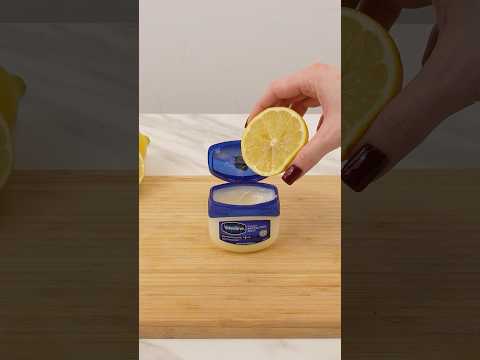
Petrolatum ointment, often known by the brand name Vaseline, is a staple in many medicine cabinets. This thick, gooey substance has been used for over a century for various skin-related issues. You might wonder: What makes it so special?
At its core, petrolatum acts as a barrier. It locks in moisture and prevents the skin from losing its hydration. This can be incredibly beneficial for dry, cracked skin or minor wounds. Think of it like putting a warm blanket over your skin—protecting and soothing it at the same time.
However, while petrolatum can offer relief, it’s not without risks. Some people may experience skin irritation or allergic reactions. Additionally, there are concerns about the purity of certain petrolatum products and their potential contamination with harmful substances.
It’s essential to stay informed about any product you use on your body. Consulting different specialists or trusted sources will help you make educated decisions about your skincare. Remember, what works for one person may not be suitable for another. Stay curious and keep exploring!
The information provided in this article is intended solely for general informational and educational purposes. It does not constitute medical advice, diagnosis or professional treatment, and should not be considered a substitute for consultation with a qualified doctor or other licensed healthcare professional. Any health-related decisions should be made in consultation with accredited medical professionals.
While efforts have been made to ensure the information is accurate and up to date, no guarantees are given—either express or implied—regarding its accuracy, completeness, currency or suitability. Use of this information is at your own discretion.
It is strongly recommended to consult official sources such as the NHS (National Health Service) or other recognised medical institutions before acting on any information contained on this website or article. Under no circumstances should professional medical advice be ignored or delayed due to content read here.
This content is of a general and informational nature only. It is not intended to replace individualised guidance from a healthcare professional or to establish any doctor-patient relationship. The publication of this information does not imply any professional responsibility, guarantee or obligation on the part of the author or this site.
Unveiling the Hidden Risks of This Common Skincare Ingredient
Petrolatum, commonly known as petroleum jelly, is a widely used skincare ingredient. Many people turn to it for its moisturizing benefits. However, it’s important to understand both the benefits and risks associated with this common substance.
Benefits of petrolatum include its ability to create a barrier on the skin. This barrier can help seal in moisture, making it useful for dry or chapped skin. It’s often found in creams and ointments designed for healing.
However, there are risks that many may not be aware of. One concern is that petrolatum can sometimes come from less refined sources. If not properly processed, it could contain harmful impurities.
Some people may experience allergic reactions. This isn’t common but can lead to skin irritation or breakouts in sensitive individuals. Always do a patch test on a small area first if you’re trying a new product with petrolatum.
There is also concern about its environmental impact. Since petrolatum is derived from petroleum, its production involves fossil fuels which contribute to pollution and climate change.
Another point of caution is that while petrolatum helps lock in moisture, it doesn’t actually hydrate the skin itself. Think of it like covering a garden with plastic to keep the warmth in; without rainfall (or moisture), the plants still won’t thrive.
In some cases, using products with petrolatum on open wounds may not be advisable due to the risk of trapping bacteria underneath the barrier.
To make informed choices about skincare products containing petrolatum:
Ultimately, understanding what goes into your skincare routine empowers you to make better choices for your health and well-being. It’s always beneficial to research ingredients further and consult reliable sources as needed.
Unpacking the Myths and Realities of a Common Skincare Ingredient
When we talk about skincare, it’s easy to get lost in the sea of ingredients. One ingredient often found in many products is petrolatum, also known as petroleum jelly. Let’s unpack some common myths and the realities surrounding petrolatum ointment.
Myth 1: Petrolatum clogs pores. Many believe that petrolatum suffocates the skin by blocking pores. In reality, it creates a protective barrier that helps prevent moisture loss. Think of it like a raincoat for your skin; it keeps water in without actually sitting inside your pores.
Myth 2: It’s a harsh chemical. Some people worry about using petrolatum because they think it’s synthetic or harmful. However, petrolatum is derived from refining crude oil and is quite stable. It has been used for over a century and has passed various safety tests.
Reality 1: It moisturizes effectively. Petrolatum is known for its ability to deeply hydrate the skin. When applied, it forms a seal that traps moisture beneath, helping dry or irritated skin feel softer and smoother. This is why you’ll often find it in creams for eczema or chapped lips.
Reality 2: Not all products are equal. The quality of petrolatum can vary between products. Always check if it’s USP-grade (United States Pharmacopeia). This ensures that it’s pure and free from contaminants.
Myth 3: It’s only for dry skin. While those with dry skin benefit immensely from petrolatum, others can use it too! It can be helpful after minor cuts or burns to keep the area moist while healing.
Pitfall: Allergies are rare but possible. Although uncommon, some individuals might experience irritation due to sensitivities. If irritation occurs, stop using the product and consider alternatives tailored to your specific needs.
Remember, not every ingredient works for everyone. It’s always good practice to test new products on a small area first. And when selecting skincare items containing petrolatum, prioritize those with clear labeling and reputable brands.
In summary, understanding ingredients like petrolatum can help you make informed choices about your skincare routine. By debunking myths and recognizing realities, you’re empowered to select what feels right for your unique skin type while promoting its health responsibly.
Uncovering the Surprising Advantages of This Versatile Skincare Ingredient
Petrolatum, also known as petroleum jelly, is a surprisingly versatile skincare ingredient. Many people have used it without even knowing its full potential. Let’s uncover some of its advantages and considerations.
First, petrolatum acts as an excellent moisturizer. It creates a barrier on the skin. This helps to keep moisture in and prevent water loss, especially in dry environments. Think of it like putting a lid on a pot of soup — it keeps all the goodness inside.
Here are some key benefits of petrolatum:
Despite these benefits, it’s important to be aware of potential risks. Not everyone’s skin reacts the same way. Some individuals might find their skin feels greasy or heavy when using petrolatum.
Moreover, there are concerns about contamination with impurities during the refining process. Choosing high-quality products that are labeled “USP” can help ensure safety.
It’s also wise to remember that petrolatum doesn’t provide any nutrients or healing properties on its own; it mainly serves as a protective layer.
In summary, petrolatum is a versatile skincare choice with many uses. However, it’s crucial to consider your own skin type and preferences before incorporating it into your routine. Always observe how your skin responds and consult with professionals if you have specific concerns or conditions.
By understanding both the advantages and limitations of this ingredient, you can make informed decisions about your skincare options. Don’t be afraid to dig deeper and explore what works best for you!
Petrolatum ointment, commonly known as petroleum jelly, serves various roles in skincare and wound management. Its primary benefits include excellent moisture retention and a barrier against external irritants. By creating a protective layer on the skin, it helps to keep wounds moist, promoting faster healing. This moisture barrier can also alleviate dryness and prevent further skin damage, making it a staple in many households.
However, while petrolatum is generally safe for most users, it’s essential to consider some risks. The main concern revolves around its purity; products that contain impurities could lead to skin irritation or allergic reactions. Additionally, using petrolatum on open wounds requires caution. While its occlusive properties are beneficial for healing, applying it too soon after injury may trap bacteria and lead to infection.
Insights into using petrolatum ointment involve understanding its correct applications. It’s effective for treating minor cuts, scrapes, and dry skin but should be avoided in cases of severe burns or deep puncture wounds without medical advice.
In summary:
Overall, when using petrolatum ointment responsibly and with awareness of these factors, it can be a valuable asset in personal care routines.