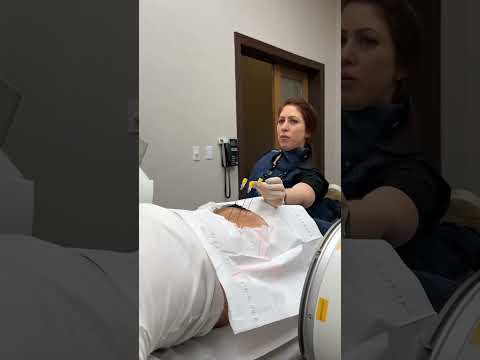
Arthritis can be a tough battle. It often brings persistent pain, swelling, and stiffness that can interfere with everyday activities. While there are traditional pain management strategies like medications and physical therapy, some individuals are seeking innovative solutions to find relief. One such option gaining attention is Radiofrequency Ablation (RFA). This technique uses heat generated by radio waves to target specific nerves responsible for transmitting pain signals. Imagine it as a gentle wave that disrupts the messages of discomfort before they reach your brain.
RFA offers a promising avenue for those looking to ease their arthritis-related pain without surgery or long-term medications. Many patients report significant improvements in their quality of life after undergoing this procedure. However, it’s important to understand that RFA is not a one-size-fits-all solution. Individual experiences can vary based on numerous factors such as the type of arthritis and overall health.
Warning: Before considering Radiofrequency Ablation or any medical treatment, it’s crucial to do thorough research. Consult multiple specialists across different fields—such as rheumatologists and pain management experts—and explore various media sources for well-rounded perspectives. Remember, while one option may work wonders for someone else, it’s essential to ensure it’s the right fit for you through informed decision-making. Your health journey deserves careful attention and consideration!
The information provided in this article is intended solely for general informational and educational purposes. It does not constitute medical advice, diagnosis or professional treatment, and should not be considered a substitute for consultation with a qualified doctor or other licensed healthcare professional. Any health-related decisions should be made in consultation with accredited medical professionals.
While efforts have been made to ensure the information is accurate and up to date, no guarantees are given—either express or implied—regarding its accuracy, completeness, currency or suitability. Use of this information is at your own discretion.
It is strongly recommended to consult official sources such as the NHS (National Health Service) or other recognised medical institutions before acting on any information contained on this website or article. Under no circumstances should professional medical advice be ignored or delayed due to content read here.
This content is of a general and informational nature only. It is not intended to replace individualised guidance from a healthcare professional or to establish any doctor-patient relationship. The publication of this information does not imply any professional responsibility, guarantee or obligation on the part of the author or this site.
Uncovering the Timeline to Pain Relief After Treatment
Radiofrequency ablation (RFA) has become a popular choice for managing arthritis pain. It’s a minimally invasive procedure that targets nerves causing pain. But how soon can someone expect to feel relief after treatment? Understanding the timeline is essential.
Directly after the procedure, some individuals may notice immediate relief. However, this isn’t always the case. For many, the initial feeling of discomfort or soreness is normal as the body begins to heal.
Timing varies significantly among individuals. Several factors influence when you might start to feel benefits, including:
Typically, it may take anywhere from a few days to a few weeks for optimal pain relief to set in. Think of it like planting a seed; you won’t see a flower right away. The growth process takes time and care.
During this waiting period, it’s important to manage expectations. Some people experience significant relief within two weeks, while others might take longer. Patience is key here.
Some patients also report experiencing pain fluctuations during recovery. This means there could be good days and bad days as your body adjusts. Again, this is perfectly normal as nerves heal.
After receiving RFA treatment, following post-procedure instructions can aid in recovery. Activities like gentle movement or prescribed exercises can help maintain mobility without aggravating the site.
Remember that RFA isn’t a permanent fix for arthritis but rather a tool for managing pain effectively over time. It’s one part of an overall treatment plan that may include medication or physical therapy.
Communication with your healthcare provider is vital throughout this process. If in doubt about your symptom changes or if you’re experiencing unusual side effects, reach out for guidance.
Understanding what to expect from radiofrequency ablation helps set realistic goals for recovery and enhances your overall experience with arthritis management solutions.
Exploring the Benefits and Limitations of a Promising Pain Relief Treatment
Radiofrequency ablation (RFA) is a treatment that has gained attention for managing arthritis pain. It’s a procedure where heat generated by radio waves targets painful nerves, aiming to disrupt their ability to send pain signals. This might sound complex, but let’s break it down.
Benefits of Radiofrequency Ablation
However, while RFA sounds promising, it comes with limitations.
Limitations of Radiofrequency Ablation
It’s important to understand that RFA doesn’t address the root cause of arthritis. Instead, it aims to manage symptoms effectively.
Patients considering this option should have an open conversation with their healthcare provider. Sharing complete medical histories and discussing all treatment options helps ensure informed decisions are made.
In conclusion, radiofrequency ablation offers some potential benefits for arthritis pain relief but isn’t without its challenges. As with any medical treatment, weighing pros and cons is crucial before moving forward.
Unveiling the Effectiveness of a Cutting-Edge Treatment Option
Managing arthritis pain can be challenging. Many people look for treatments that offer relief without relying solely on medications. One option gaining attention is radiofrequency ablation (RFA).
Radiofrequency ablation is a minimally invasive procedure. It uses heat generated by radio waves to disrupt nerve signals that carry pain from the joints to the brain. Think of it like a dimmer switch, reducing the brightness of pain rather than turning it off completely.
Here’s how it generally works:
Many individuals report feeling some relief after treatment. However, results can vary widely from person to person.
It’s important to note that RFA isn’t suitable for everyone. Factors like overall health and specific types of arthritis play a role in its effectiveness. Always consult with a healthcare professional about your options.
As with any medical procedure, there are risks involved. Possible side effects include soreness at the site, temporary swelling, or even numbness. Understanding these aspects can help you make an informed decision.
There are some myths about radiofrequency ablation that should be clarified:
In conclusion, radiofrequency ablation offers an intriguing avenue for those suffering from arthritis pain. It provides an alternative beyond conventional medications and surgeries.
Remember, making informed decisions about your health is crucial. Be sure to discuss all possibilities with a qualified healthcare provider who understands your unique situation and needs.
Radiofrequency ablation (RFA) is an innovative treatment gaining attention for managing arthritis pain. This procedure uses heat generated by radio waves to target specific nerves that transmit pain signals. By effectively disrupting these signals, RFA can provide significant relief for individuals suffering from chronic arthritis.
Understanding the science behind RFA helps demystify the process. Imagine it as giving a “pause” button to the nerves that are overactive due to arthritis. When these nerves are silenced, patients often report experiencing less discomfort and improved mobility.
Key Takeaways:
However, it’s crucial to approach this treatment with realistic expectations. RFA may not work for everyone, and it is not a cure for arthritis but rather part of a comprehensive pain management plan. Consulting with healthcare providers can help determine if RFA is suitable based on personal health history and severity of symptoms.
As we look towards more advancements in pain management techniques like RFA, it’s important to remain informed and weigh all options carefully. Every patient’s journey with arthritis is unique, and finding the right balance of treatments can lead to better quality of life.