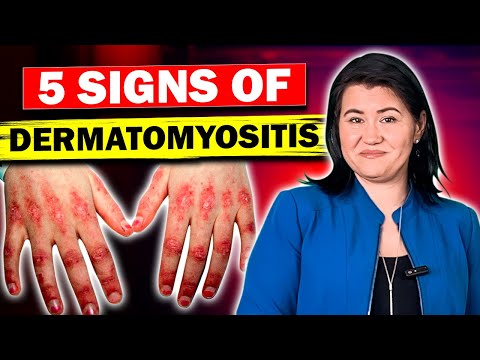
The information provided in this article is intended solely for general informational and educational purposes. It does not constitute medical advice, diagnosis or professional treatment, and should not be considered a substitute for consultation with a qualified doctor or other licensed healthcare professional. Any health-related decisions should be made in consultation with accredited medical professionals.
While efforts have been made to ensure the information is accurate and up to date, no guarantees are given—either express or implied—regarding its accuracy, completeness, currency or suitability. Use of this information is at your own discretion.
It is strongly recommended to consult official sources such as the NHS (National Health Service) or other recognised medical institutions before acting on any information contained on this website or article. Under no circumstances should professional medical advice be ignored or delayed due to content read here.
This content is of a general and informational nature only. It is not intended to replace individualised guidance from a healthcare professional or to establish any doctor-patient relationship. The publication of this information does not imply any professional responsibility, guarantee or obligation on the part of the author or this site.
Identifying Heliotrope Rash and Dermatomyositis Symptoms
Have you ever noticed a strange, purplish rash on your skin that just won’t go away? It’s perplexing, right? Certain symptoms can often feel like a puzzle. They might leave us feeling anxious and uncertain.
Heliotrope rash is one of those symptoms that can raise eyebrows. It’s not just any rash; it specifically appears on the face and eyelids, often linked to a condition called dermatomyositis. This condition affects your muscles and skin, making it important to recognize early signs.
In this article, we’ll break down what heliotrope rash looks like and explore other symptoms of dermatomyositis that you should be aware of. Understanding these signs can help you communicate better with your healthcare provider. Because let’s face it—being informed is empowering.
This article doesn’t replace professional medical advice, so if you’re concerned about your health, consulting a healthcare professional is key. Health decisions are personal and need expert guidance.
A Visual Guide to Recognizing Dermatomyositis Rashes
Dermatomyositis is a rare condition that causes muscle weakness and skin rashes. Understanding how to identify its signs can be really helpful. One of the most noticeable features is the rash, especially the heliotrope rash.
What is Heliotrope Rash?
The heliotrope rash appears as a purplish or violet discoloration on the eyelids and sometimes on the face. Picture a light bruise that’s spread out gently across your eyelids; that’s sorta what it looks like. It might be slightly raised or swollen. It’s not something you just see every day, so it should definitely catch your attention.
Other Common Rashes
- Gottron’s papules: These are small, reddish bumps that often appear on the knuckles. They can feel kinda rough, like tiny scabs.
- Shawl sign: This refers to a rash that looks like a sunburn and commonly shows up on the shoulders and back.
- Mechanic’s hands: These are rough patches typically found on the palms and fingers, looking like they’ve been exposed to hard labor!
Other Symptoms of Dermatomyositis
Besides skin changes, there are some other symptoms worth knowing about. People with dermatomyositis might experience muscle weakness, especially in larger muscle groups like your hips and thighs. You might find it harder than usual to climb stairs or lift objects.
A persistent cough or shortness of breath may also arise due to lung involvement in some cases. So if you’re experiencing anything unusual alongside those rashes, consider keeping track of when things started happening—this could be important information for any health discussion later.
When to Seek Help
If you spot any of these rashes or symptoms showing up, it’s important to reach out for medical advice. Sometimes these signs can mimic other conditions, so getting an accurate diagnosis is key.
Misperceptions About Dermatomyositis
You may have heard people say dermatomyositis only affects older adults, but that’s not right! It can happen at any age; even kids can get it!
This condition isn’t contagious either; you can’t catch it from someone else just by being around them. It occurs because of immune system issues targeting muscles and skin instead of germs.
An Understanding Approach
The thing with conditions like dermatomyositis is they often involve different layers—literally and figuratively! Skin changes aren’t just superficial; they represent deeper issues in how our bodies fight itself sometimes.
This journey through recognizing such symptoms can feel overwhelming at first glance. However, being aware helps us make better choices regarding our health—all while simplifying complex medical concepts into relatable pieces!
Unveiling the Distinctive Signs and Secrets of Dermatomyositis Heliotrope Rash
Understanding Dermatomyositis and Heliotrope Rash
Hey, let’s chat about dermatomyositis. It’s a rare autoimmune condition that primarily affects the skin and muscles. Imagine your immune system, which is supposed to protect you, mistakenly attacks your own body. Not fun, right?
One of the most distinctive features of dermatomyositis is the heliotrope rash. This rash appears on the eyelids and often has a purplish tint. Picture a gentle lavender bruise around your eyes; that’s kinda how it looks. It can be slightly raised and may be accompanied by swelling.
What Causes the Heliotrope Rash?
The exact cause of dermatomyositis isn’t fully understood, but it involves a mix of genetic predisposition and environmental factors. Think about it like this: some people are more likely to get sunburned based on their skin type, while others might have stronger reactions after being exposed to certain things.
A viral infection or exposure to certain drugs may trigger an episode in those already at risk. Just like how pollen can make some people sneeze while others are totally fine.
Other Symptoms of Dermatomyositis
- Muscle Weakness: This can feel like you just can’t lift things or climb stairs as well as you used to.
- Gotten Rashes: Apart from heliotrope rash, you’ll also see Gottron’s papules—these little bumps usually appear on joints like fingers.
- Pain and Discomfort: Some folks experience muscle pain too; it’s not always easy to pinpoint if it’s related.
If someone notices these symptoms together with the heliotrope rash, it’s important they see a healthcare provider for evaluation. Early diagnosis honestly makes a big difference in managing the condition.
The Importance of Sun Protection
If someone has dermatomyositis, sun exposure can worsen rashes like heliotrope rash. Think about wearing sunscreen not just for beach trips but everyday when going outside. Broad-spectrum sunscreen acts like an invisible shield against harmful rays!
Treatment Options
Treatment usually includes medications to manage inflammation and immune response. Sometimes doctors prescribe corticosteroids, which are powerful anti-inflammatory drugs that help reduce symptoms over time.
- Disease-Modifying Antirheumatic Drugs (DMARDs): These can help suppress your immune system’s actions further if needed.
- Lifestyle Changes: Regular exercise within comfort limits may help maintain muscle strength as well.
The Bottom Line on Heliotrope Rash and Dermatomyositis
A heliotrope rash isn’t just pretty colors; it’s often a key sign of an underlying issue with muscle health too. Recognizing these signs early can prompt timely treatment and improve quality of life significantly.
If you’re concerned about any symptoms resembling what we’ve discussed here or need more personalized advice, seeking professional guidance is always wise! Remember—staying informed is empowering!
Exploring the Visual Impact of Heliotrope Rash: A Closer Look at Its Appearance and Implications
Understanding Heliotrope Rash
Hey, let’s dive into what heliotrope rash is. It’s a type of skin rash that usually shows up on the face and upper body. People with this rash often notice a purplish or violaceous color, especially around the eyelids.
The name “heliotrope” comes from the purple color, resembling the flower. This can be a clue that helps in recognizing it. It’s associated with a condition called dermatomyositis, which is an inflammatory disease affecting the skin and muscles.
Appearance of Heliotrope Rash
The rash often appears as large patches or spots. Sometimes it’s accompanied by tiny red bumps known as papules. You might see swelling around the eyes too—this can make it hard to open them fully.
If you think about it, imagine a bruise but in a more specific area; that’s kinda what heliotrope rash looks like. It can sometimes shine or appear greasy due to inflammation beneath the skin.
Implications of Heliotrope Rash
This rash isn’t just a cosmetic issue; it’s actually important for understanding underlying health conditions. If someone presents with heliotrope rash, it could mean there’s an autoimmune response happening in the body.
In simpler terms, your immune system is mistakenly attacking healthy tissues. That could lead to muscle weakness and other issues linked to dermatomyositis.
Identifying Symptoms
Along with heliotrope rash, people might experience muscle pain or fatigue. They might feel weak when climbing stairs or lifting objects they used to handle easily.
- Purple rashes: Specifically around eyelids and face.
- Malaise: General feeling of discomfort.
- Muscle issues: Weakness that can make regular activities difficult.
A Personal Story
I once met someone who had this kind of rash without connecting it to anything serious at first. At first glance, they thought it was just “bad skin.” But after consulting a healthcare professional, they discovered it was more than that—a sign of dermatomyositis!
An important take away here is that if you notice any unusual rashes along with muscle weakness or other symptoms like fatigue, don’t hesitate to reach out for advice from a medical professional!
Your Body Knows Best
The body communicates through signals like these rashes. Sometimes we need to listen closely to what those signals mean for our health. So keep an eye on changes and don’t brush them off—it could lead you towards better understanding your own well-being!
Identifying Heliotrope Rash and Dermatomyositis Symptoms
Heliotrope rash can be a pivotal sign of dermatomyositis, a condition affecting the skin and muscles. Recognizing this rash early can lead to timely intervention and management.
This rash usually appears as a purplish or reddish patch, often on the eyelids. It might look similar to a sunburn but will have distinct differences in texture. Patients may also experience muscle weakness, which is another crucial symptom of dermatomyositis.
Understanding these symptoms is vital. Why? Because without proper identification, the condition can worsen, leading to complications like difficulty in swallowing or even lung problems. Early diagnosis allows for treatments that can help manage symptoms effectively.
The thing with dermatomyositis is it can sometimes be mistaken for other skin issues. This makes awareness among healthcare providers essential. For instance, rashes from lupus could appear alike, so a thorough examination is necessary.
Overall, staying informed about heliotrope rash and its associated symptoms not only aids in recognizing dermatomyositis but also empowers patients and caregivers to seek help sooner rather than later.