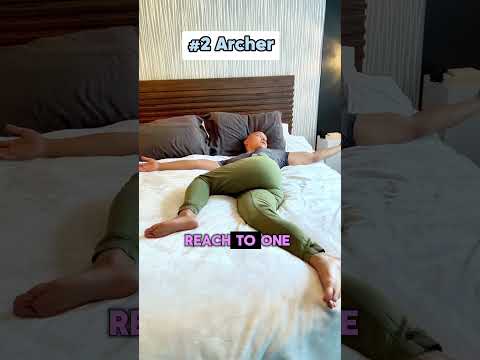
Feeling dizzy when you move your head? You’re not alone. Many people experience vertigo, a sensation that can make the world spin around them. But here’s some good news: there are ways to manage it! Let’s explore four key maneuvers—Epley, Semont, Foster, and Brandt—that can help alleviate those dizzy spells.
Think of these maneuvers as tools in a toolbox. Each one is designed to address a specific type of vertigo caused by debris in the inner ear. Just as you wouldn’t use a hammer for everything, these maneuvers target different issues; knowing which to use is key.
Epley Maneuver is like setting a delicate balance in your inner ear. It helps reposition the tiny crystals that might be causing your dizziness. Semont Maneuver takes an active approach, swiftly moving your body to dislodge those pesky particles.
Then we have the Foster Maneuver. Think of it as inviting calmness back into your world by slowly shifting positions. Finally, the Brandt Maneuver allows you to regain stability through gradual movements while sitting up.
While these maneuvers can offer relief for many, it’s crucial to approach them with caution. Always consult healthcare professionals about your symptoms first and learn from various trusted sources before diving into self-treatment. Understanding what causes your vertigo and how best to address it will empower you—and ensure that you’re making informed choices regarding your health journey.
The information provided in this article is intended solely for general informational and educational purposes. It does not constitute medical advice, diagnosis or professional treatment, and should not be considered a substitute for consultation with a qualified doctor or other licensed healthcare professional. Any health-related decisions should be made in consultation with accredited medical professionals.
While efforts have been made to ensure the information is accurate and up to date, no guarantees are given—either express or implied—regarding its accuracy, completeness, currency or suitability. Use of this information is at your own discretion.
It is strongly recommended to consult official sources such as the NHS (National Health Service) or other recognised medical institutions before acting on any information contained on this website or article. Under no circumstances should professional medical advice be ignored or delayed due to content read here.
This content is of a general and informational nature only. It is not intended to replace individualised guidance from a healthcare professional or to establish any doctor-patient relationship. The publication of this information does not imply any professional responsibility, guarantee or obligation on the part of the author or this site.
Comparing Two Popular Remedies for Easing Vertigo Symptoms
When it comes to managing vertigo symptoms, many individuals look for remedies that can provide relief. Two popular approaches are vestibular rehabilitation exercises and home remedies. Each has its own merits, but what do they really offer?
Vestibular rehabilitation involves specific maneuvers designed to help the inner ear regain balance. The most common ones include:
Each of these maneuvers is tailored to address specific types of vertigo, like Benign Paroxysmal Positional Vertigo (BPPV). They require practice and patience but offer a structured way to improve balance.
On the other hand, some people turn to home remedies for immediate relief. Common options include:
Home remedies tend to be gentle and easy to try. However, their effectiveness varies from person to person.
Both approaches have their place in managing vertigo symptoms. The key is understanding what works best for you or your situation.
It’s also worth noting that not all methods work equally well for everyone. Some might find relief through exercises alone, while others may benefit from using home remedies alongside them.
Consider keeping a journal about your symptoms and any remedies you try. This could help identify patterns or effective strategies over time.
Always remember that while many people find success with these methods, it’s essential not to ignore persistent or severe symptoms. Consulting a healthcare professional can provide personalized guidance tailored specifically for you.
In conclusion, both vestibular rehabilitation maneuvers and home remedies have their uses in easing vertigo symptoms. Experimenting with different options can empower you towards better management of this condition while always prioritizing safety and informed decisions.
Understanding the Key Distinctions Between Two Effective Treatments for Vertigo
Understanding vertigo can be quite challenging. It’s a sensation that gives you the feeling of spinning or moving when you’re actually still. Fortunately, there are effective treatments available to help manage this condition.
Two well-known treatment methods for specific types of vertigo are the Epley maneuver and the Semont maneuver. Both approaches aim to reposition tiny crystals in the inner ear that cause vertigo attacks, especially in cases like benign paroxysmal positional vertigo (BPPV).
The Epley Maneuver is often recommended for its simplicity and effectiveness. It involves a series of movements that gradually shift the head and body into specific positions. This process helps relocate those pesky crystals back to their original location in the inner ear.
The Semont Maneuver is another viable option, which also intends to reposition those crystals but has a slightly different method. This technique involves moving rapidly from one side to another while maintaining a specific head position.
Both maneuvers share similar goals but differ in technique and execution. Here’s a brief overview:
Results can vary from person to person. Some may find more relief with one maneuver over the other due to individual differences in how their bodies react.
It’s important to approach these maneuvers thoughtfully. While they can help many people, not everyone will respond similarly.
Also, be aware that these maneuvers are most effective for BPPV-type vertigo. Other forms of dizziness may require different treatments.
Doing either maneuver should be under guidance or after learning from reliable sources. If you’re considering trying these techniques, it’s wise to consult with someone knowledgeable about vertigo first.
Remember, understanding these options empowers you to make informed decisions about your health. Never hesitate to reach out for support when needed!
Discovering Effective Solutions for Balance and Dizziness Relief
Balance and dizziness issues can be frustrating and disruptive to daily life. Understanding the underlying causes is essential for finding effective relief. One common cause of dizziness is a condition known as Benign Paroxysmal Positional Vertigo (BPPV). This occurs when tiny crystals in the inner ear become dislodged.
There are several maneuvers designed to help reposition these crystals. These maneuvers can often provide relief from dizziness. Let’s explore four key vertigo maneuvers: Epley, Semont, Foster, and Brandt.
Epley Maneuver: This is one of the most well-known techniques for BPPV. It involves a series of head and body movements that guide the dislodged crystals back to their proper location in the inner ear.
Semont Maneuver: Like the Epley, this maneuver also focuses on moving the head to free up trapped particles. The movements are quick and aim to shift fluid within the ear canals.
Foster Maneuver: This maneuver can be particularly helpful if a person experiences vertigo when lying down or turning their head in bed. It involves sitting up quickly, then turning your head and laying back down.
Brandt Maneuver: This technique is useful for individuals who feel dizzy when looking up or down. It consists of alternating between lying on each side while keeping your head turned toward the ceiling.
When trying these maneuvers, it’s important to do them slowly and carefully. Some people may feel more dizzy initially before they start to feel better.
Here are some tips for managing balance issues alongside these maneuvers:
Always remember that while these maneuvers can provide relief, not all cases of dizziness are due to BPPV. If you experience frequent dizziness or balance problems, it’s wise to consult with a healthcare professional for personalized guidance.
Understanding these maneuvers offers a path towards relief but requires patience and practice. Listen to your body throughout this process, and take breaks if needed. Finally, keep an open mind about exploring other treatments alongside these exercises if necessary!
Mastering the four key vertigo maneuvers—Epley, Semont, Foster, and Brandt—offers significant benefits for both practitioners and patients dealing with vestibular disorders. Each maneuver has specific indications based on underlying conditions like Benign Paroxysmal Positional Vertigo (BPPV), which commonly causes dizziness. Understanding these techniques enhances clinicians’ ability to provide effective, non-invasive interventions for patients experiencing vertigo.
The Epley maneuver is particularly well-known for repositioning dislodged otoliths in the inner ear, helping alleviate symptoms of BPPV. Its systematic approach allows practitioners to guide patients through a series of head and body positions carefully. The Semont maneuver also focuses on repositioning but employs a quick movement pattern that can be more comfortable for some individuals.
The Foster maneuver offers a straightforward option for self-treatment at home, empowering patients by teaching them how to manage their symptoms proactively. Finally, the Brandt maneuver targets specific types of vertigo by encouraging repeated movements that engage different parts of the vestibular system.
In mastering these maneuvers, it is crucial to ensure clear communication about expectations and outcomes with patients. Many might have misconceptions about their conditions or the effectiveness of these methods. Educating patients can help dispel myths and encourage adherence to treatment plans.
By promoting awareness and understanding of these maneuvers within the healthcare community, we foster an environment where patients feel supported and informed in their journey toward recovery from vertigo-related challenges.