
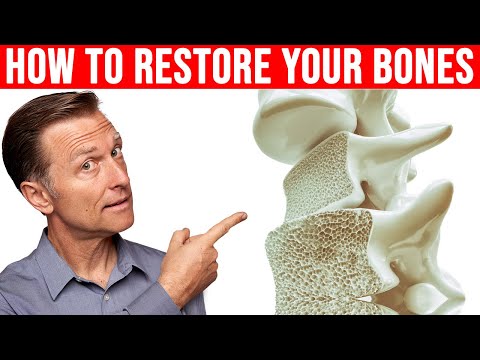
Understanding the delicate balance of our bones can feel overwhelming, especially when it comes to terms like osteopenia and osteoporosis. Think of your bones as a house. Over time, with wear and tear—or lack of maintenance—they can lose some of their strength. Osteopenia is like noticing the shingles on your roof are beginning to fade; it’s an early warning sign. Osteoporosis, however, is akin to discovering that the foundation has serious cracks—it’s a more advanced stage where bone density has significantly decreased.
Both conditions relate to bone health but represent different levels of risk for fractures. While osteopenia indicates lower-than-normal bone density, osteoporosis suggests a much greater weakness in the bone structure. Understanding these differences is crucial for taking informed steps toward better skeletal health.
However, it’s essential to remember that knowledge is power but can also be complex and overwhelming. Before making any decisions about your health, please seek advice from various health professionals—like nutritionists, physical therapists, and doctors—and explore trusted sources of information. The more you know from multiple perspectives, the better equipped you’ll be to take care of your bones wisely and effectively.
The information provided in this article is intended solely for general informational and educational purposes. It does not constitute medical advice, diagnosis or professional treatment, and should not be considered a substitute for consultation with a qualified doctor or other licensed healthcare professional. Any health-related decisions should be made in consultation with accredited medical professionals.
While efforts have been made to ensure the information is accurate and up to date, no guarantees are given—either express or implied—regarding its accuracy, completeness, currency or suitability. Use of this information is at your own discretion.
It is strongly recommended to consult official sources such as the NHS (National Health Service) or other recognised medical institutions before acting on any information contained on this website or article. Under no circumstances should professional medical advice be ignored or delayed due to content read here.
This content is of a general and informational nature only. It is not intended to replace individualised guidance from a healthcare professional or to establish any doctor-patient relationship. The publication of this information does not imply any professional responsibility, guarantee or obligation on the part of the author or this site.
Understanding Bone Health: Unpacking the Nuances Between Osteopenia and Osteoporosis
Understanding bone health is crucial as we age. Two terms often come up when discussing bone density: osteopenia and osteoporosis. They may sound similar, but they represent different stages of bone loss.
Osteopenia is the early stage of bone thinning. It means your bones are weaker than normal but not yet fragile enough to be classified as osteoporosis. Think of it like a tire that’s slightly under-inflated; it’s not flat, but it’s not at optimal pressure either.
On the other hand, osteoporosis means “porous bones.” This condition occurs when bones lose even more density and strength. Imagine a strong wall slowly eroding until it becomes crumbling stone; that’s similar to how osteoporosis affects bones.
Women are generally at higher risk than men due to hormonal changes after menopause. Lower estrogen levels can lead to faster bone loss.
It’s important to note that having osteopenia doesn’t mean you will develop osteoporosis. With lifestyle changes—like proper nutrition and exercise—you can improve your bone health.
In summary, understanding the difference between osteopenia and osteoporosis empowers you to take action for better bone health. Being proactive today can lead to healthier bones tomorrow.
Remember, if you have concerns about your bone health, seeking guidance from healthcare professionals is wise. They can provide personalized recommendations based on your specific needs.
Understanding Bone Health: A Clear Guide to Osteopenia and Osteoporosis Differences
Understanding bone health is important as we age. Two key terms often come up in discussions about bones: osteopenia and osteoporosis. Though they sound similar, they represent different stages of bone density loss.
Osteopenia is the early stage of bone loss. It means your bone density is lower than normal but not low enough to be classified as osteoporosis. Think of it like a tree that’s starting to lose some leaves; it’s still standing strong but showing signs of wear.
On the other hand, osteoporosis means your bones have become weak and brittle. At this stage, the loss of bone density significantly increases the risk of fractures. Picture an old wooden chair that cracks under pressure—it looks fine until you sit on it!
Here are some key differences:
Bone health matters because our bones support us in many ways. They protect our organs and allow us to move freely. Maintaining healthy bones is therefore crucial for overall well-being.
To support good bone health, consider these tips:
It’s also important to have regular check-ups that include bone density tests if you’re at risk for these conditions.
In conclusion, understanding osteopenia and osteoporosis helps you make informed decisions about your health. Being aware lets you take proactive steps toward maintaining strong bones throughout your life. Always discuss any concerns with a healthcare provider who can offer personalized advice based on your individual circumstances.
Understanding the Distinctions Between Two Common Bone and Joint Conditions
Understanding the distinctions between osteopenia and osteoporosis is important for bone health. Both conditions involve low bone density, but they are not the same.
Osteopenia is often seen as a warning sign. It indicates that your bones are weaker than normal but not so weak that you’re likely to fracture easily. Think of it like a car with some rust: it’s still functioning ok, but needs attention before it breaks down.
Osteoporosis is more severe. With this condition, bones become very fragile and are at higher risk for fractures. It’s like a house with a weak foundation; it could collapse without much pressure.
Here are some key differences:
Both conditions can develop without clear symptoms at first. Regular check-ups can help track bone health through tests like DEXA scans.
Risk factors for both include aging, hormonal changes, and certain lifestyle choices like smoking or excessive alcohol use.
To maintain healthy bones:
Education about these two conditions can lead to better prevention strategies. If you have concerns about your bone health, consider discussing them with a healthcare professional who can provide personalized advice.
Remember that understanding your body is key to making informed decisions about your health!
Understanding the differences between osteopenia and osteoporosis is crucial for promoting bone health. Both conditions involve a decrease in bone density, but they are not the same.
Osteopenia is often seen as a warning sign. It indicates that bones are weaker than normal but not yet at the critical point of osteoporosis. Think of it as a light yellow caution light—alerting you to take better care of your bones.
Osteoporosis, on the other hand, is more severe. It means bones have lost significant density and strength, leading to a higher risk of fractures. Imagine it as a red stoplight—serious attention and intervention are needed to prevent further damage.
Recognizing these differences can empower individuals to make informed decisions about their health. Lifestyle adjustments like diet, exercise, and possibly medication may be advised for those with either condition.
Hence, awareness plays a powerful role in prevention and management. Early detection through regular screenings can lead to improved outcomes and quality of life for those affected by these bone density issues.
