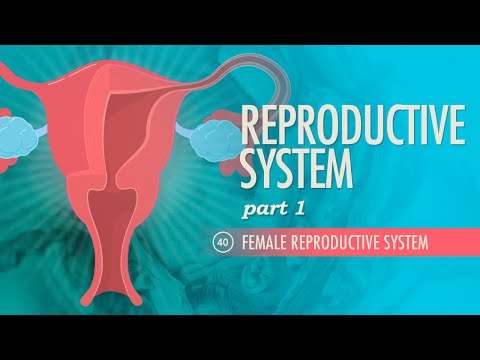
Have you ever wondered how the ovaries play a critical role in women’s health? These small, almond-shaped organs are often overlooked, yet they have a profound impact on various aspects of our lives. The ovaries are responsible for producing eggs and hormones, heavily influencing reproductive health, menstrual cycles, and even mood. Understanding how they function can empower you to make informed choices about your health.
In “Ovaries Explained: Essential Facts and Insights,” we’ll delve into their anatomy, hormonal functions, and common issues that can arise. Whether you’re navigating menstruation, considering family planning, or simply curious about bodily functions, this topic has something valuable for everyone.
However, it’s essential to approach the information with care. While resources like articles and videos can offer helpful insights, it’s crucial to consult qualified specialists regarding specific health concerns. Relying solely on one source may lead to misunderstandings or oversimplifications of complex topics. Always seek diverse perspectives to gain a well-rounded understanding of your reproductive health. Stay informed and proactive; your body deserves it!
The information provided in this article is intended solely for general informational and educational purposes. It does not constitute medical advice, diagnosis or professional treatment, and should not be considered a substitute for consultation with a qualified doctor or other licensed healthcare professional. Any health-related decisions should be made in consultation with accredited medical professionals.
While efforts have been made to ensure the information is accurate and up to date, no guarantees are given—either express or implied—regarding its accuracy, completeness, currency or suitability. Use of this information is at your own discretion.
It is strongly recommended to consult official sources such as the NHS (National Health Service) or other recognised medical institutions before acting on any information contained on this website or article. Under no circumstances should professional medical advice be ignored or delayed due to content read here.
This content is of a general and informational nature only. It is not intended to replace individualised guidance from a healthcare professional or to establish any doctor-patient relationship. The publication of this information does not imply any professional responsibility, guarantee or obligation on the part of the author or this site.
Unlocking the Secrets of Women’s Health: Discover the Essential Role of Ovaries
The ovaries are often seen as mere reproductive organs, but their role is much broader and more vital than that. They are small, almond-shaped structures located on either side of the uterus. Each woman has two ovaries, and they serve several essential functions.
First and foremost, the ovaries produce eggs. Each month, typically one egg matures and is released during ovulation. This process is crucial for conception. Without healthy eggs, pregnancy isn’t possible.
But that’s not all! The ovaries also produce important hormones like estrogen and progesterone. These hormones regulate everything from the menstrual cycle to mood swings and even bone health. They act like a conductor in an orchestra, ensuring all body systems work harmoniously.
Here are some key points about ovarian health:
Keeping your ovaries healthy is important for overall wellness. Regular check-ups can help catch any potential issues early on—this includes managing conditions like polycystic ovary syndrome (PCOS) or ovarian cysts.
Many myths surround women’s health in general, including those about the ovaries. For example, some believe that ovarian problems only arise in older women; however, conditions can develop at any age.
Also, many think it’s normal to have severe pain during ovulation or menstruation when it may signal a problem needing attention.
In conclusion, understanding your ovaries empowers you to take charge of your health. Know the signs of potential issues—from irregular periods to unusual pain—and don’t hesitate to talk to a healthcare provider if something feels off.
Being proactive about your health helps everyone lead happier lives. Your body is a complex system—treat it with care!
Unveiling the Secrets Behind Women’s Health and Reproductive Function
Understanding women’s health and reproductive function starts with the ovaries. These two small organs play a crucial role in a woman’s body. They are located on either side of the uterus and are essential for producing eggs and hormones.
Ovaries produce estrogen and progesterone, which are vital for regulating the menstrual cycle. Think of these hormones like a conductor in an orchestra, helping to coordinate various functions in the body. Without them, many processes would be out of sync.
Every month, during a woman’s menstrual cycle, one ovary releases an egg—a process called ovulation. If this egg meets sperm, it can lead to pregnancy. If not, the body prepares to shed the lining of the uterus, resulting in menstruation.
Some common misconceptions surround ovarian health. Many people think that once a woman hits menopause—usually between ages 45-55—her health concerns related to ovaries disappear. This isn’t true. Menopause brings its own set of changes and potential issues that need attention.
Healthy lifestyle choices can positively impact ovarian function. Regular exercise aids hormone balance, while a nutritious diet supports overall well-being. Similarly, managing stress is crucial because high stress levels can affect hormone production.
Regular check-ups with healthcare providers can help catch any issues early on. Conditions like polycystic ovary syndrome (PCOS) or ovarian cysts can affect women at any age but are often misunderstood or ignored.
Understanding your own body is empowering. Keeping track of your menstrual cycle can help you notice changes that might signal something worth discussing with a healthcare provider. Knowledge is key when it comes to navigating reproductive health.
It’s important to approach women’s health from various angles—physical, emotional, and social factors all play a role in overall well-being. Remember that every woman’s experience is unique; what works for one person may not apply to another.
Being informed about your reproductive health helps you make decisions that align with your needs and values. Staying curious and asking questions is how you’ll learn more about your body over time!
Exploring the Vital Role of Ovaries in Women’s Health and Well-Being
Ovaries are small but mighty organs located in the pelvis. They play a crucial role in women’s health and well-being. Understanding their functions can empower women to make informed decisions about their health.
The primary job of the ovaries is to produce eggs, which are essential for reproduction. Every month, typically one egg matures and is released during ovulation. This is part of a cycle called the menstrual cycle.
Besides producing eggs, ovaries also create hormones, mainly estrogen and progesterone. These hormones regulate many bodily functions. For instance, they influence menstrual cycles, mood, and even bone health.
Hormones from the ovaries have profound effects. They help maintain cardiovascular health and support skin elasticity. Think of these hormones as important players that keep various systems in balance.
It’s interesting how ovarian function changes over a woman’s life. In younger years, ovarian activity is at its peak. However, as women approach menopause—usually between ages 45-55—ovarian function begins to decline.
This decline can lead to symptoms like hot flashes or mood swings due to decreased hormone levels. It’s a natural part of aging but can affect quality of life.
Additionally, certain conditions can impact ovarian health. Conditions like polycystic ovary syndrome (PCOS) or endometriosis may cause issues with hormones or menstruation. Recognizing these conditions early on can lead to better management.
Regular check-ups are essential for monitoring ovarian health while also addressing any concerns that may arise over time. Early detection plays a vital role in treating ovarian-related issues effectively.
Nutrition also matters when it comes to supporting ovarian function. A balanced diet rich in fruits, vegetables, whole grains, and healthy fats contributes positively to overall wellness.
Stress management techniques such as yoga or meditation can enhance emotional well-being too since stress may affect hormonal balance.
In summary, understanding your ovaries means understanding your body better. Awareness leads to stronger advocacy for your own health choices and empowers you on your wellness journey./
Always stay curious about your body’s signals and consult healthcare professionals if you have questions or concerns about your reproductive health!
Reflecting on “Ovaries Explained: Essential Facts and Insights,” it’s clear that understanding the ovaries is crucial for both women’s health and reproductive education. Ovaries serve multiple roles, from hormone production to egg storage, and a comprehensive grasp of their function helps demystify many aspects of female biology.
The article effectively breaks down complex topics into digestible information. By using relatable analogies, such as comparing ovaries to a library with unique sections for different hormones, it clarifies how these organs influence not just reproduction but also overall health.
Moreover, discussing common myths—and debunking them—provides valuable insights that can empower readers. For instance, the notion that ovarian health solely pertains to fertility overlooks the broader hormonal balance vital for wellness.
Overall, the piece fosters a deeper understanding while promoting informed health decisions. It’s essential to view women’s reproductive health through an inclusive lens—one that respects both medical knowledge and everyday experience.