The information provided in this article is intended solely for general informational and educational purposes. It does not constitute medical advice, diagnosis or professional treatment, and should not be considered a substitute for consultation with a qualified doctor or other licensed healthcare professional. Any health-related decisions should be made in consultation with accredited medical professionals.
While efforts have been made to ensure the information is accurate and up to date, no guarantees are given—either express or implied—regarding its accuracy, completeness, currency or suitability. Use of this information is at your own discretion.
It is strongly recommended to consult official sources such as the NHS (National Health Service) or other recognised medical institutions before acting on any information contained on this website or article. Under no circumstances should professional medical advice be ignored or delayed due to content read here.
This content is of a general and informational nature only. It is not intended to replace individualised guidance from a healthcare professional or to establish any doctor-patient relationship. The publication of this information does not imply any professional responsibility, guarantee or obligation on the part of the author or this site.
Recognizing Oral Cancer: Key Signs and Symptoms to Watch For
Have you ever noticed something unusual in your mouth and wondered if it’s worth a closer look? You’re definitely not alone. Oral cancer can often be overlooked, but recognizing the signs early is crucial. You might even be surprised to know that more than 54,000 people in the U.S. are diagnosed with oral or oropharyngeal cancer each year. That’s a pretty staggering number.
This article will help you identify potential warning signs of oral cancer. It’s all about being proactive with your health. From persistent sores to strange changes in your voice, there are things to watch for. Maybe you’ve experienced some symptoms yourself or have a friend who has—either way, understanding these signals can empower you.
Of course, always keep in mind that this content isn’t a substitute for medical advice. It’s super important to consult a healthcare professional if you have concerns about your health or notice any changes in your mouth.
Visual Guide to Recognizing Early Symptoms of Mouth Cancer
Recognizing Early Symptoms of Mouth Cancer
Mouth cancer, or oral cancer, can be subtle at first. It often starts off with symptoms that may seem harmless. Being aware of these early signs can make a real difference in catching it early.
White patches
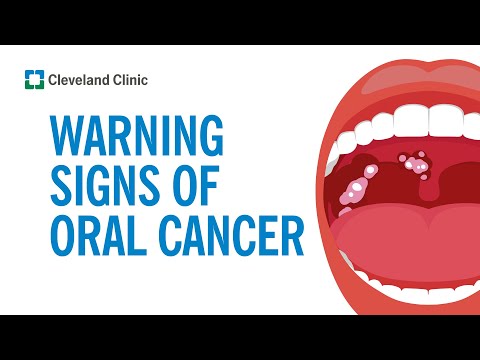
One of the first signs to look for is white or red patches inside the mouth. These are called leukoplakia and erythroplakia, respectively. They can be flat or slightly raised and might not hurt. But if you see them, it’s worth getting checked out.
Sore that doesn’t heal
If you have an ulcer or sore in your mouth that won’t heal after two weeks, pay attention to it. Healing usually happens fairly quick in our mouths due to saliva’s properties. A lingering sore can signal something more serious.
Pain or discomfort
Sometimes, you might experience persistent pain in your mouth or throat. This could feel like a sore throat that doesn’t go away no matter what you do. If swallowing becomes hard or painful, that’s another reason to reach out for help.
Changes in taste
A sudden change in taste is also something to consider—like if food suddenly tastes different or unpleasant; this might be more than just a bad day for your taste buds!
Mouth lumps
Lumps inside your mouth might make you worry too, right? Swelling around your jaw, neck, or gums isn’t normal either if they last longer than a few weeks; keep an eye on them.
Difficulties with chewing and swallowing
If chewing becomes difficult or you have trouble swallowing without any obvious reason (like eating too fast), this could also indicate an issue worth checking into further.
Understanding Risk Factors
Certain factors increase the risk of developing mouth cancer: smoking and heavy drinking come to mind first off. Poor oral hygiene can play a role as well as certain viruses like HPV (human papillomavirus). Knowing these risk factors helps clarify why some people may develop symptoms while others don’t.
When to Seek Help
If any of these symptoms last more than two weeks, it’ s smart to consult someone who knows better. A healthcare professional can provide an accurate diagnosis while addressing all your concerns regarding what’s happening in your mouth.
A Friendly Reminder
Taking notice of changes in our body is important! Early detection always gives us the best chances—it means we can tackle any problems sooner rather than later.
- Be aware of changes.
- If you’re concerned about any symptom at all? Don’t hesitate; reach out!
- Your health matters!
Unveiling the Hidden Struggles of Oral Health
Recognizing Oral Cancer: Key Signs and Symptoms to Watch For
Oral health often takes a backseat in conversations about health. It’s easy to overlook, but it’s super important. Untreated oral issues can lead to serious problems, including oral cancer. So, what should you look out for? Let’s break it down.
Understanding Oral Cancer
Oral cancer refers to cancers that occur in the mouth or throat. It can develop on the lips, gums, tongue, cheeks, and the roof or floor of your mouth. Sometimes people don’t realize they have it until it’s advanced. That’s why knowing the signs is crucial.
Common Signs and Symptoms
- Persistent Sores: If you have a sore in your mouth that doesn’t heal after two weeks, take note. That can be a warning sign.
- Lumps or Thickening: Any unusual lumps in your mouth or on your lips shouldn’t be ignored. They could signal something more serious.
- Pain or Discomfort: Continuous pain in your mouth can be troublesome. If it’s there for weeks and without a clear cause—like an injury—consider seeing someone.
- Difficulties Swallowing: Trouble swallowing isn’t just annoying; it can indicate underlying health issues too.
- A Change in Voice: If you notice changes when you speak—and they stick around—it might be time for a check-up.
The Importance of Regular Check-Ups
You know those routine dental visits? They’re not just for cleaning! Dentists are trained to spot early signs of oral cancer too. Getting checked regularly can help pick up on these issues before they become more serious.
Your Mouth Tells You A Lot
Your mouth reflects much about your overall health; it’s like a window into what’s happening inside your body! Be wary of any unexplained changes like white patches (leukoplakia) or red patches (erythroplakia). These can sometimes indicate precancerous conditions.
Risk Factors to Consider
Certain behaviors increase the risk of developing oral cancer. Smoking tobacco in any form notably raises this risk level. Excessive alcohol consumption is another culprit that shouldn’t be taken lightly. Both combined significantly elevate danger levels, which means moderation should always be considered!
The Bottom Line
If you notice any warning signs mentioned here—or if something feels off—don’t brush it under the rug! Consulting with a healthcare professional will provide clarity and direction. Being proactive about oral health matters greatly; catching issues early makes all the difference!
Understanding the Serious Risks and Symptoms of Mouth Cancer
Mouth cancer, or oral cancer, isn’t something a lot of people think about. But, it’s important to be aware of its risks and symptoms. You know, catching it early can really make a difference in treatment options.
What is Mouth Cancer?
Mouth cancer refers to any cancer that develops in the tissues of the mouth. This includes areas like the lips, gums, tongue, and even the roof or floor of your mouth. It can appear as a sore that doesn’t heal or an unusual lump.
Who’s at Risk?
Certain factors can increase your risk for mouth cancer. For example:
- Tobacco use: Smoking or chewing tobacco raises your chances significantly.
- Heavy alcohol consumption: Excessive drinking can also contribute.
- HPV: The human papillomavirus is linked to some oral cancers.
- Age: Most cases occur in adults over 40.
Sometimes it feels like you need to be cautious but not overly paranoid. You know what I mean?
Common Symptoms to Watch For
A key part of staying aware is knowing the symptoms. Here are some common signs:
- A sore in the mouth that lasts more than two weeks.
- Painful areas in the mouth or throat that don’t go away.
- Difficulties when swallowing or chewing food.
- A lump or thickening feeling anywhere inside the mouth.
If you’re experiencing any of these symptoms, it’s worth mentioning them during your next check-up. It might lead to further exploration without causing unnecessary anxiety, right?
The Importance of Regular Checkups
Nobody loves going to the dentist—let’s be honest! But regular checkups are crucial for catching problems early. Dentists often examine for signs of oral cancer during routine visits. They have an eye trained for things you might not notice yourself!
What Can You Do?
You probably can’t control everything about your health—nobody can! However, there are steps you can take:
- Avoid tobacco products if possible; consider seeking help if you’re struggling with quitting.
- Limit alcohol intake; moderation is key here!
- Eat a balanced diet rich in fruits and vegtables; keeping yourself nourished helps overall health.
This isn’t just about preventing mouth cancer; it’s about taking good care of yourself overall!
The Bottom Line
Mouth cancer is serious but being informed makes a world of difference. When you understand its risks and symptoms, you’re better equipped to look after your health effectively.
Remember though—if you notice something strange inside your mouth or just feel off in general, don’t hesitate to reach out professional help!
Recognizing Oral Cancer: Key Signs and Symptoms to Watch For
Oral cancer is a serious condition that often goes unnoticed until it reaches an advanced stage. Sometimes, people dismiss early signs as simple irritations or cankers. However, it’s crucial to pay attention to warning signs. Early detection can make a huge difference in treatment and outcomes.
Common Signs and Symptoms
- Sore spots: Persistent sores or irritation in the mouth may signal a problem. If they last longer than two weeks, it’s worth consulting a health professional.
- White or red patches: Patches inside the mouth that are white (leukoplakia) or red (erythroplakia) should not be ignored. They may indicate precancerous changes.
- Difficulties swallowing: If you find it hard to swallow or experience pain while doing so, this could be concerning.
- Lumps or swelling: Unexplained lumps in the neck, mouth, or jaw could be potential signs of cancer and should be evaluated.
- Mouth numbness: A feeling of numbness that doesn’t go away might suggest something is amiss.
If you notice any of these symptoms, getting checked out early can help. Remember, many conditions can cause similar issues—but it’s better to err on the side of caution.
The Importance of Regular Check-Ups
Regular dental check-ups are vital for oral health. Dentists often spot signs of oral cancer during routine exams. It’s important to discuss any concerns with your dentist—they’re there to help you maintain your health!
A proactive approach—being vigilant about changes in your mouth—can save lives. Simple awareness can lead to timely interventions and better chances for successful treatment down the road.
This reflection highlights the importance of paying attention to our bodies. Sometimes small changes can hold valuable information about our overall health.