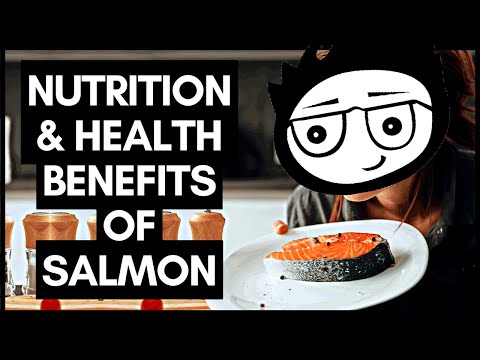
Salmon is more than just a delicious fish; it’s a nutritional powerhouse that offers numerous health benefits. Rich in omega-3 fatty acids, protein, and essential vitamins, salmon has earned its place as a superfood. Imagine fueling your body with the same nutrients that support heart health, brain function, and even mood stability. It’s like giving your body the best type of fuel for optimal performance.
Eating salmon can help lower inflammation, improve cardiovascular health, and support cognitive function. Plus, its versatility in cooking makes it a favorite whether you enjoy it grilled, baked, or in sushi.
However, it’s important to approach this topic with caution. Although salmon is highly nutritious, certain types may contain harmful levels of mercury or other contaminants. Consuming too much of these can pose health risks over time. It’s vital to inform yourself through various sources and consult with different specialists regarding dietary choices that are right for you.
Stay curious about what you eat! The more you learn about foods like salmon—its benefits and potential risks—the better decisions you can make for your health journey.
The information provided in this article is intended solely for general informational and educational purposes. It does not constitute medical advice, diagnosis or professional treatment, and should not be considered a substitute for consultation with a qualified doctor or other licensed healthcare professional. Any health-related decisions should be made in consultation with accredited medical professionals.
While efforts have been made to ensure the information is accurate and up to date, no guarantees are given—either express or implied—regarding its accuracy, completeness, currency or suitability. Use of this information is at your own discretion.
It is strongly recommended to consult official sources such as the NHS (National Health Service) or other recognised medical institutions before acting on any information contained on this website or article. Under no circumstances should professional medical advice be ignored or delayed due to content read here.
This content is of a general and informational nature only. It is not intended to replace individualised guidance from a healthcare professional or to establish any doctor-patient relationship. The publication of this information does not imply any professional responsibility, guarantee or obligation on the part of the author or this site.
Unlocking the Power of Salmon for Your Health and Well-Being
Salmon is often hailed as a superfood, and for good reason! This delicious fish offers a wealth of nutritional benefits that can support overall health and well-being.
Firstly, salmon is rich in omega-3 fatty acids. These healthy fats are essential for brain function and heart health. Think of omega-3s as protective shields for your cells. They help reduce inflammation and may lower the risk of chronic diseases.
Another major benefit of salmon is its protein content. Protein is crucial for repairing tissues and building muscle. A serving of salmon can provide a significant amount of the protein your body needs each day. It’s like giving your muscles a nourishing boost!
Salmon also contains important vitamins and minerals. It’s particularly high in vitamin D, which helps regulate calcium in the body. Additionally, salmon provides selenium, which supports immune function. Imagine these nutrients as helpful tools that keep your body running smoothly.
When it comes to heart health, salmon shines again! The omega-3s found in this fish have been linked to lower blood pressure and reduced triglycerides — fats found in the blood that can impact heart health negatively. It’s like having natural oil for your engine.
Buying wild-caught vs. farmed salmon can influence nutrition too. Wild-caught salmon tends to have higher omega-3 levels compared to farmed varieties, which may contain more calories and saturated fat. Knowing where your food comes from is key!
Incorporating salmon into your diet can be easy and delicious! You can grill it, bake it, or even enjoy it raw as sushi or sashimi. Try pairing it with vegetables or whole grains for a balanced meal.
Remember to be mindful about fish consumption due to potential mercury levels in some fish types. While salmon has lower mercury levels than other large fish like tuna, it’s still wise to eat a variety of seafood.
Lastly, while salmon may offer many benefits, it’s important not to rely on any single food for all your nutritional needs. Enjoying a varied diet ensures you get all the nutrients you need over time.
In conclusion, adding salmon to your meals can support various aspects of health — from heart function to muscle repair — making it an excellent choice for a nutritious diet! Always consider personal dietary restrictions or preferences when planning meals that include this tasty fish.
Unlocking the Nutritional Powerhouse of the Sea
When we talk about seafood, one of the stars of the show is salmon. This fish is often called a nutritional powerhouse for good reason. It’s packed with essential nutrients that can support overall health.
First, salmon is rich in omega-3 fatty acids. These are healthy fats that our body can’t make on its own. Omega-3s are vital for heart health and brain function. Think of them as the oil that keeps your engine running smoothly.
Another important nutrient found in salmon is high-quality protein. Protein is essential for building and repairing tissues in our body. Imagine it like bricks for a house; without strong bricks, your house won’t stand tall.
Salmon also contains important vitamins like vitamin D and B12. Vitamin D helps manage calcium levels and supports bone health, while B12 plays a key role in keeping nerves and blood cells healthy.
Let’s not forget about minerals! Salmon has selenium, which acts as an antioxidant. Antioxidants fight off damaging particles called free radicals, kind of like soldiers defending your body from invaders.
When it comes to recipes, salmon is versatile. You can grill it, bake it, or even add it to salads and wraps. Its rich taste makes meals feel special without needing heavy sauces or complicated cooking methods.
However, one common concern with seafood is mercury content. While most fish have some level of mercury, salmon generally has lower levels compared to larger fish like shark or swordfish. It’s always wise to choose a variety of seafood in your diet to minimize exposure.
Lastly, if you’re new to cooking with salmon or simply want more ideas, browsing cookbooks or online recipes can spark inspiration! You might find ways you never thought to enjoy this beneficial fish.
In summary, incorporating salmon into your diet can offer many nutritional benefits. From healthy fats to essential vitamins and minerals, it truly stands out among seafood options. Remember though – balance is key when it comes to overall nutrition!
Discover the Surprising Benefits of This Superfood and Why It Might Be Your Best Choice
Many people are looking for ways to eat healthier and boost their nutrition. One food that often comes up in these discussions is salmon. This fish is not just tasty; it’s packed with goodness. Let’s explore some of the surprising benefits of adding salmon to your diet.
First off, salmon is rich in omega-3 fatty acids. These are essential fats that our body needs but can’t produce on its own. Omega-3s are like superheroes for your heart, helping to lower blood pressure and reduce inflammation.
In addition to omega-3s, salmon is a fantastic source of protein. Protein is crucial for building and repairing tissues in our bodies. For someone trying to maintain muscle mass or support a healthy weight, salmon can be an excellent choice.
Salmon also contains important vitamins and minerals such as vitamin D and selenium. Vitamin D plays a role in bone health and may help boost your mood, especially during those colder months when sunshine is scarce.
Another benefit? Salmon can be quite versatile in meals! You can grill, bake, or even make it into a salad, which makes it easy to incorporate into various dishes.
Here are some key points about salmon:
It’s important to choose sustainable sources when buying salmon. Wild-caught options are often recommended over farmed ones due to concerns about environmental impact.
However, there’s no need to overdo it—balance is key in any diet. If you’re considering introducing more salmon or making significant dietary changes, it’s wise to think critically about your overall eating habits.
In summary, adding salmon to your meals can provide numerous health benefits while being delicious at the same time. Just remember that variety and moderation are essential components of any healthy lifestyle!
Salmon is often hailed as a nutritional powerhouse, and for good reason. This fish is packed with essential nutrients that support overall health, making it a valuable addition to our diets.
First and foremost, salmon is rich in omega-3 fatty acids. These healthy fats are crucial for brain health and have been linked to reduced inflammation in the body. Think of omega-3s as the oil that keeps your engine running smoothly—essential for optimal performance.
Additionally, salmon is an excellent source of high-quality protein. Protein is the building block of our bodies, necessary for repairing tissues and supporting muscle growth. Including salmon in meals can help you meet your protein needs while enjoying a delicious dish.
Salmon also provides vital vitamins and minerals. It contains B vitamins, particularly B12, which are important for energy production and nervous system function. The presence of selenium further supports immune health.
One common myth surrounding fish consumption is the fear of mercury contamination. While some fish may contain higher levels of mercury, salmon generally has lower levels compared to larger predator fish like shark or swordfish. This makes it a safer choice when considering seafood options.
Incorporating salmon into your weekly meal plan offers numerous health benefits without overwhelming your palate or breaking the bank. Aim for two servings per week to reap its advantages while enjoying its rich flavor.
As we embrace a more balanced diet, recognizing foods like salmon as nutrient-dense choices empowers us to make informed decisions about our nutrition and overall well-being.