Frequent urination can feel like a puzzling challenge. It’s that nagging sensation that disrupts your day, whether you’re at work, home, or out with friends. You may wonder why it’s happening and what you can do about it. Understanding the causes of frequent urination is essential for addressing this issue effectively.
In this article, we’ll explore what might be leading to those urgent bathroom trips and discuss practical solutions along the way. From lifestyle factors to medical conditions, we’ll uncover the reasons behind frequent urination and arm you with knowledge to make informed decisions.
However, it’s important to remember that while this article provides valuable insights, it should not replace professional advice. Frequent urination can be a symptom of various health issues that need personalized examination. Be curious and proactive; consult different specialists and utilize reliable media sources to gain a well-rounded understanding of your situation. Your health journey is unique—equip yourself with the best information available!
The information provided in this article is intended solely for general informational and educational purposes. It does not constitute medical advice, diagnosis or professional treatment, and should not be considered a substitute for consultation with a qualified doctor or other licensed healthcare professional. Any health-related decisions should be made in consultation with accredited medical professionals.
While efforts have been made to ensure the information is accurate and up to date, no guarantees are given—either express or implied—regarding its accuracy, completeness, currency or suitability. Use of this information is at your own discretion.
It is strongly recommended to consult official sources such as the NHS (National Health Service) or other recognised medical institutions before acting on any information contained on this website or article. Under no circumstances should professional medical advice be ignored or delayed due to content read here.
This content is of a general and informational nature only. It is not intended to replace individualised guidance from a healthcare professional or to establish any doctor-patient relationship. The publication of this information does not imply any professional responsibility, guarantee or obligation on the part of the author or this site.
Quick Fixes to Help You Find Comfort and Regain Control
Frequent urination can feel uncomfortable and frustrating. It’s important to understand what might be causing it and how you can find some relief.
First, let’s look at some common causes. Urinary tract infections (UTIs) are a frequent culprit. They can make you feel like you need to go all the time. Another reason could be overactive bladder, where the muscles in your bladder contract more often than normal.
Dietary choices also play a role. Caffeine and alcohol, for example, can irritate the bladder and increase urination. Spicy foods may do this too, so consider tracking what you eat.
If you’re looking for quick fixes to regain comfort, here are some suggestions:
Remember that stress can also affect bladder function. Finding ways to relax through deep breathing or mindfulness may help reduce symptoms.
Keeping a journal about your urination habits and what you eat can provide clues about trends or triggers. This information could be useful if you decide to talk about these concerns with someone who helps manage health issues.
Lastly, it’s always wise to consult with someone knowledgeable if frequent urination persists or worsens. Making informed choices based on reliable information is key to managing your health effectively.
Discover Simple Strategies to Reduce Frequent Urination and Regain Control
Frequent urination can be a bothersome issue for many people. It’s important to understand what might be causing it and how to manage it effectively.
First, let’s consider some common causes. Frequent urination can stem from factors such as fluid intake, bladder infections, diabetes, or even medications. It’s like your bladder sending out too many “urgent” messages.
If you want to tackle this issue, there are simple strategies that could help you regain control.
1. Monitor Fluid Intake: Pay attention to how much you drink and when. Spreading out your fluid intake throughout the day can reduce the urgency at night.
2. Limit Caffeine and Alcohol: Both substances can irritate the bladder and increase urgency. Cutting back might ease symptoms, like taking a break from spicy foods.
3. Bladder Training: This involves setting specific times for bathroom trips. Start by waiting a little longer between each visit to gradually extend your intervals.
4. Kegel Exercises: Strengthening your pelvic floor muscles can improve bladder control. Think of these as strengthening the “foundation” of your bladder.
5. Avoid Bladder Irritants: Certain foods—like citrus fruits or artificial sweeteners—can act as irritants to some people’s bladders.
6. Stay Healthy: Keeping a healthy weight and staying active support overall bladder health too. Imagine it like maintaining a car; regular check-ups help prevent breakdowns.
It’s essential to note that these strategies may not work for everyone since everyone’s body is different. If frequent urination persists or affects your quality of life, it’s wise to consult someone who understands these issues deeply.
Educating yourself is empowering! Knowing what’s behind frequent urination helps make informed decisions about how best to manage it in everyday life.
Simple Strategies for Regaining Control and Comfort
Frequent urination can be an annoying and uncomfortable experience. It might disrupt your daily activities and affect your quality of life. Understanding the causes and implementing simple strategies can help you regain control.
First, consider that frequent urination can stem from various factors. These might include diet, hydration levels, and certain health conditions. It’s important to recognize that everyone’s body is different.
Dietary changes can have a significant impact on urinary habits. Some foods and drinks act as diuretics, leading to increased urination. Common culprits include caffeine, alcohol, and spicy foods. Reducing or eliminating these may offer some relief.
Next, monitor your fluid intake. While it’s essential to stay hydrated, drinking too much water or other fluids—especially before bedtime—can contribute to frequent bathroom trips. Try spacing out your liquid consumption throughout the day.
If you find yourself rushing to the bathroom often at night, consider establishing a nighttime routine. Limit drinks in the hours leading up to bedtime. This small change might help improve your sleep quality.
Stress and anxiety also play a role in how often you feel the need to urinate. Finding ways to relax through activities like yoga or meditation could help manage these feelings. Remember that mental health is interconnected with physical health.
Identifying any underlying issues is crucial too. Some health conditions like diabetes or urinary tract infections can cause urgency in urination. If you’re concerned about persistent symptoms, discussing them with a healthcare provider is wise for proper evaluation.
Lastly, keep track of your symptoms in a journal if needed.
In conclusion, regaining control over frequent urination involves understanding its possible causes and making small but meaningful adjustments to your habits and routines. All these steps are about taking charge of your comfort levels while also encouraging open conversations about any worries you might have regarding this issue.
Frequent urination can be a complex issue, often leading to discomfort and disruption in daily life. Understanding its causes is crucial for addressing the problem effectively.
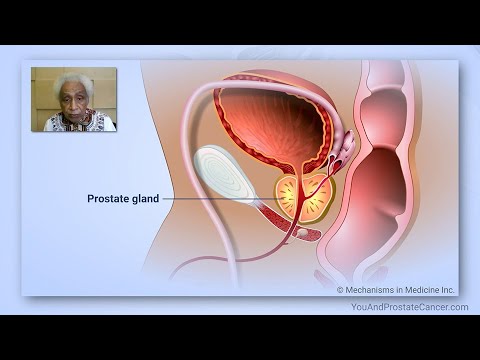
Many people may think that frequent urination is simply a sign of drinking too much water or a minor annoyance, but it can be a symptom of underlying health conditions such as urinary tract infections (UTIs), diabetes, or even prostate issues in men. Each cause requires specific attention and care.
Lifestyle factors also play a significant role. High caffeine intake, alcohol consumption, and certain medications may lead to increased urination. Understanding these connections helps individuals make informed choices about their habits and can alleviate symptoms.
Solutions vary based on the underlying cause. Dietary changes, bladder training, and pelvic floor exercises are effective strategies that some might not consider initially. In more severe cases, medication or further medical evaluation might be necessary.
Ultimately, tackling frequent urination starts with awareness—both of one’s own body and the potential health issues at play. Encouraging open conversations about urinary health breaks down stigma and empowers individuals to seek help when needed. It’s essential to approach this topic with empathy and understanding, recognizing that each person’s experience is unique.