The information provided in this article is intended solely for general informational and educational purposes. It does not constitute medical advice, diagnosis or professional treatment, and should not be considered a substitute for consultation with a qualified doctor or other licensed healthcare professional. Any health-related decisions should be made in consultation with accredited medical professionals.
While efforts have been made to ensure the information is accurate and up to date, no guarantees are given—either express or implied—regarding its accuracy, completeness, currency or suitability. Use of this information is at your own discretion.
It is strongly recommended to consult official sources such as the NHS (National Health Service) or other recognised medical institutions before acting on any information contained on this website or article. Under no circumstances should professional medical advice be ignored or delayed due to content read here.
This content is of a general and informational nature only. It is not intended to replace individualised guidance from a healthcare professional or to establish any doctor-patient relationship. The publication of this information does not imply any professional responsibility, guarantee or obligation on the part of the author or this site.
Understanding Closed-Angle Glaucoma: Symptoms and Treatments
Ever had that nagging pain in your eye or noticed sudden vision changes? It’s unsettling, right? Well, you’re not alone. Many people face similar issues without knowing they might be dealing with something serious like closed-angle glaucoma.
This condition can sneak up on you and might even lead to permanent vision loss if left unchecked. Sounds scary, but let’s take a deep breath. It’s crucial to understand what closed-angle glaucoma is, how it feels, and what options are out there for treatment.
In this article, we’ll break down the symptoms of this eye condition in simple terms. We’ll also look at treatment options so you feel equipped to talk to your doctor or eye specialist.
But just a heads up—while this information is useful, it doesn’t replace professional medical advice. Always consult with a healthcare professional before making any health decisions. Understanding your health is vital, and knowledge is the first step towards taking charge of it!
A Patient’s Guide to Managing Eye Pressure and Preserving Vision
Hey there! Let’s talk about something really important: eye pressure and how it relates to glaucoma, especially closed-angle glaucoma. You might’ve heard of it, but what does it really mean?
What is Closed-Angle Glaucoma?
Closed-angle glaucoma occurs when the drainage angle of your eye suddenly becomes blocked. Imagine a small drain being clogged, making it difficult for water to flow out. In this case, it’s your eye fluid that doesn’t drain properly.
Symptoms to Watch For
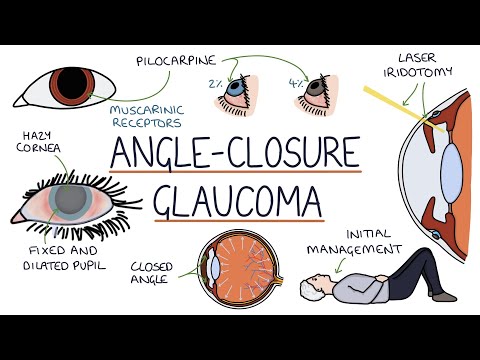
Symptoms can pop up quickly and can be pretty intense. You might experience severe eye pain, blurry vision, headache, or even nausea. Sometimes lights appear haloed or rainbow-colored too. If you find yourself feeling any of these things suddenly, contact someone who knows about eyes.
Why Eye Pressure Matters
Your eyes need a certain amount of pressure—think of it as a tire needing air. Too much pressure can damage the nerves in your eyes and lead to vision loss over time. It’s crucial to monitor that pressure regularly with an eye care professional.
Treatments Available
- Medications: Usually prescribed eye drops help lower eye pressure by improving fluid drainage or reducing production.
- Laser Treatments: Laser therapy can create an opening in the iris (the colored part of the eye) enhancing fluid flow.
- Surgery: In more severe cases, surgery may be necessary to create a new drainage pathway for the fluid.
Lifestyle Changes That Can Help
You know? Simple adjustments in your daily life can also assist in managing your overall eye health. Regular physical exercise encourages good circulation and reduces pressure inside the eyes.
A balanced diet rich in vitamins A, C, and E along with omega-3 fatty acids may support good vision as well — think leafy greens and fish!
The Importance of Regular Check-Ups
Your best bet? Regular check-ups with an ophthalmologist (that’s just a fancy term for an eye doctor). They’re great at monitoring your condition closely and will make recommendations based on what’s best for you.
Coping with Diagnosis
If you’re diagnosed with closed-angle glaucoma or high intraocular pressure (that’s just medical lingo for eye pressure), remember that knowledge is power! Understanding what it means helps ease anxiety when confronting changes in treatment.
This journey requires support from loved ones too—don’t hesitate to share your concerns with family or friends who are there for you. Talking through challenges can lighten the load significantly!
In Closing Thoughts…
Navigating life with closed-angle glaucoma takes patience and vigilance but staying informed is key! Keep asking questions and stay connected with healthcare providers. Your vision is worth preserving!
Understanding the Journey Through Narrow-Angle Glaucoma
Narrow-angle glaucoma, also known as closed-angle glaucoma, can be a bit tricky to grasp. Basically, this condition happens when the fluid in your eye can’t drain properly. This leads to a sudden buildup of pressure. Think of it like a clogged sink; when water can’t go down the drain, it starts to overflow.
So, what are the symptoms? Well, they can hit you pretty hard and fast. People often experience intense eye pain or headache. Sometimes they might feel nauseous or even vomit. It’s like when you eat something that doesn’t agree with you; your body reacts strongly.
Recognizing Symptoms
- Severe eye pain
- Headaches
- Nausea and vomiting
- Seeing halos around lights
- Sudden vision changes
If someone experiences these symptoms, it’s crucial to seek help pronto! Just like ignoring a fire alarm doesn’t put out a fire, waiting can lead to serious eye damage.
Treatment Options
Treatments for narrow-angle glaucoma vary based on the severity of the condition. Initially, doctors might prescribe medications that lower eye pressure. These are often in the form of eye drops. Imagine putting on lotion to soothe dry skin; in this case, the drops help reduce pressure.
If medications aren’t sufficient or in an emergency situation, surgery may be needed. One common procedure is called laser peripheral iridotomy. It’s basically creating a tiny hole in your iris (the colored part of your eye) so fluid can flow better—like making extra holes in a blocked straw so you can drink your smoothie more easily.
Lifestyle Adjustments
Certain lifestyle changes might also help manage risks and maintain overall eye health. Staying hydrated is one key aspect; drinking water helps keep things flowing smoothly—not too much caffeine though! Also, regular check-ups with an eye doctor can monitor any changes—think of it as getting regular maintenance for your car!
Final Thoughts
Narrow-angle glaucoma can feel overwhelming but being aware of its symptoms and treatments makes all the difference in managing it effectively. Remember that early detection plays an important role in preventing vision loss.
The journey through this condition may seem daunting at times but taking proactive steps is essential for keeping your eyes healthy!
Exploring Hope and Treatment Options for a Silent Threat to Your Vision
Understanding Closed-Angle Glaucoma
Hey there! Let’s talk about closed-angle glaucoma, which is sometimes called angle-closure glaucoma. It’s a type of eye condition that can sneak up on you, often without any noticeable symptoms at first. Imagine if you never knew a leak was happening in your house until it caused major damage—yeah, it’s kinda like that with your eyes.
What Happens?
In closed-angle glaucoma, the drainage canals in your eye can get blocked. When this happens, pressure builds up inside the eye. Think of it like water behind a dam; too much pressure and something bad can happen. The increased pressure can damage the optic nerve, which is essential for vision.
Symptoms to Watch For
This condition might not show clear symptoms right away, making it tricky. However, when things flare up, you might experience symptoms like:
- Severe headache
- Nausea or vomiting
- Sudden blurred vision
- A halo around lights
- Pain in or around the eye
If you notice any of these signs, it’s really important to seek help from an eye care professional. Think of this as calling a plumber when those leaks start to show—they’d know just what to do.
Treatment Options Available
If diagnosed with closed-angle glaucoma, there are treatments available aimed at reducing pressure in the eye. Medications like topical eyedrops are often prescribed—kind of like putting on sunscreen before heading out into the sun. These help manage pressure and keep things stable.
If meds aren’t enough or if things get serious quickly, procedures might be necessary. One common option is laser therapy where a special laser creates an opening in the peripheral area of the iris (that colorful part of your eye). This helps fluid drain better and relieves pressure.
Why Early Detection Matters
Catching this condition early is super important because sustained high pressure can lead to permanent vision loss over time—just as ignoring that slow leak could lead to bigger problems down the line. Regular check-ups are key for monitoring eye health!
Final Thoughts
The thing is, staying informed about closed-angle glaucoma could save your sight. It’s vital to pay attention and act on any sudden changes you notice with your vision. Reaching out for regular check-ups can help catch issues before they escalate into emergencies.
Your eyes are worth taking care of! Just remember: keeping an open line with your healthcare provider will go a long way in maintaining good vision health through knowledge and proactive treatment options.
Understanding Closed-Angle Glaucoma: Symptoms and Treatments
Closed-angle glaucoma, sometimes called acute glaucoma, is a serious eye condition that can lead to vision loss. The pressure inside the eye increases rapidly when the drainage canals become blocked. This blockage can happen suddenly or develop over a longer time period.
Symptoms
The symptoms often come on quickly. You might experience severe eye pain, headache, nausea, and vomiting. Vision can become blurry, and you may see halos around lights. These signs are alarming and require immediate medical attention.
Treatments
Treatment focuses on reducing the intraocular pressure. Medications like eye drops help lower this pressure by either decreasing fluid production or increasing its outflow. In some cases, laser treatment is necessary to open the blocked angle in the eye.
In acute situations where vision is under threat, surgery may be required urgently to relieve pressure effectively.
Living with Risk
If you have narrow angles or a family history of the condition, regular check-ups with an eye specialist are crucial. They can monitor your eyes and catch any changes early on.
Overall, understanding closed-angle glaucoma helps in recognizing symptoms early and seeking immediate help. Awareness can make a significant difference in outcomes.