The information provided in this article is intended solely for general informational and educational purposes. It does not constitute medical advice, diagnosis or professional treatment, and should not be considered a substitute for consultation with a qualified doctor or other licensed healthcare professional. Any health-related decisions should be made in consultation with accredited medical professionals.
While efforts have been made to ensure the information is accurate and up to date, no guarantees are given—either express or implied—regarding its accuracy, completeness, currency or suitability. Use of this information is at your own discretion.
It is strongly recommended to consult official sources such as the NHS (National Health Service) or other recognised medical institutions before acting on any information contained on this website or article. Under no circumstances should professional medical advice be ignored or delayed due to content read here.
This content is of a general and informational nature only. It is not intended to replace individualised guidance from a healthcare professional or to establish any doctor-patient relationship. The publication of this information does not imply any professional responsibility, guarantee or obligation on the part of the author or this site.
Have you ever felt that nagging pain in your tooth and wondered what to do about it? Or maybe you’ve heard someone mention dental crowns but aren’t really sure what they are? You’re not alone. Dental issues can be intimidating, and it’s normal to have questions.
Dental crowns are more common than you might think. They serve a key purpose in maintaining oral health. Think of them like protective caps for your teeth, designed to restore strength and enhance appearance. If you’ve ever had a cavity or a cracked tooth, you’ll appreciate how they can save the day.
This article will walk you through the purpose of dental crowns, their benefits, and how to care for them once they’re in place. Understanding these elements can help ease your worries and empower you to make informed decisions about your dental health.
Just a quick note—this content doesn’t replace medical advice. It’s always essential to consult a healthcare professional when making health decisions that affect your well-being.
Explore Your Options and Budget for Perfect Smiles
Understanding Dental Crowns
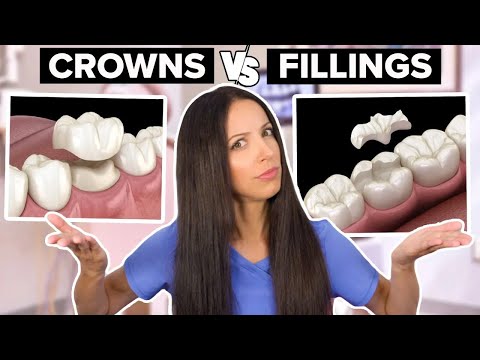
Dental crowns are like little caps that cover a tooth. Think of them as protective jackets. They can be made from various materials, including porcelain, metal, or a mix of both. These crowns help restore the tooth’s shape and function, making it look and feel normal again.
Why Would Someone Need a Crown?
There are several reasons you might need a crown. If you’ve got a tooth that’s decayed or damaged, a crown can provide support. Sometimes, after root canal treatment, the tooth needs extra protection to avoid breaking.
If you have a tooth that’s misshapen or discolored and you’re looking for improvement, crowns can be an aesthetic solution too! Imagine wanting to fix your favorite shirt; that’s kind of what a crown does for your teeth.
Benefits of Dental Crowns
- Protection: They shield weak teeth from further damage.
- Aesthetic Appeal: Crowns can significantly improve your smile.
- Functionality: They restore the ability to bite and chew properly.
- Lifespan: Properly cared for crowns can last many years—sometimes even over a decade!
Caring for Dental Crowns
Caring for your dental crowns is pretty straightforward. Just like regular teeth, brush and floss them daily. You should also keep up with regular dental visits—that way, your dentist can check the health of both the crown and surrounding teeth.
Avoid chewing on hard substances like ice or using your teeth as tools—trust me; it just makes sense! Think of it this way: if you wouldn’t do it to good shoes, don’t do it to your teeth!
The Cost Factor
Crowns do vary in cost depending on several factors: material used, dentist’s location, and whether insurance covers any part of the procedure. Porcelain crowns tend to be pricier than metal ones but often blend better with natural teeth.
If budget is tight—don’t panic! Many dentists offer payment plans or financing options. It’s totally fair to ask about these choices while discussing treatments!
Your Next Steps
If you’re considering getting a crown, chatting with your dentist is key. They’ll discuss the benefits suited specifically for you while providing information about costs involved as well as the financing options available in their practice.
You want something that looks good and feels good too! It’s important to leave feeling confident about whatever decision you make regarding your dental health.
Uncovering the Hidden Challenges of Dental Crowns
Understanding Dental Crowns: Purpose, Benefits, and Care
Dental crowns are kind of like a helmet for your teeth. They cover up damaged or decayed teeth to protect them and restore their shape. But, hey, there’s more to it than just that.
So, what makes crowns necessary? Picture a tooth that has a big cavity or has been cracked. Just like you wouldn’t leave a battered car on the road, a dentist might suggest putting a crown on that tooth to keep it strong and functional.
Types of Crowns
You’ll find different types of crowns. Porcelain is popular because it blends in nicely with natural teeth. Metal crowns are super strong but aren’t as pretty. Resin is another option but tends to wear down faster.
The choice of material can depend on where the crown will be placed too. For front teeth, aesthetics matter more; for back teeth, strength is key.
How Long Do They Last?
Crowns can last many years—sometimes even a decade or more—if cared for properly. But neglecting oral hygiene or biting hard objects can lead them to wear out faster than you’d like.
Common Challenges
While dental crowns have their advantages, they also come with challenges. Some people experience sensitivity after getting one fitted. It’s like when you eat ice cream too fast and your teeth hurt but not as extreme.
A crown can sometimes feel bulky or unnatural in your mouth at first. This sensation usually fades over time as you get used to it—kind of like breaking in new shoes.
Care Tips
- Brush twice daily and floss regularly; they still need love!
- Avoid biting hard foods; don’t treat your crown like it’s indestructible.
- Visit your dentist regularly for check-ups; catching issues early is crucial.
The Cost Factor
Crowns can be pricey depending on various factors including materials used and where you live, so it’s important to chat about costs upfront during consultations with the dentist.
The Bottom Line
Dental crowns serve an essential role in maintaining dental health by protecting damaged teeth and improving our smiles. Like everything else in life though, they’re not without their challenges from sensitivity issues to cost considerations—and that’s something worth thinking about before diving into treatment!
What You Need to Know Before Getting One
Understanding Dental Crowns: Purpose, Benefits, and Care
Thinking about getting a dental crown? You’re not alone. Many people do this for various reasons. A crown can be like a protective cap for your tooth. Think of it as a helmet that keeps your tooth safe from damage.
So, what’s the main purpose? Well, crowns are often used when a tooth is weak or has been heavily filled. If you’ve had root canal treatment or if there’s significant decay, a crown can help restore strength and function to the tooth.
Benefits of Dental Crowns
- Protection: They shield weak or damaged teeth from further harm.
- Aesthetic improvement: Crowns can match the color of your natural teeth, restoring your smile.
- Longevity: When cared for properly, crowns can last many years—sometimes even decades!
- Functionality: They help you chew and speak more comfortably.
You might be wondering about the materials. Crowns can be made from different substances like porcelain, metal, or resin. Each has its own pros and cons based on strength and appearance. For example, porcelain crowns blend well with natural teeth but might not be as strong as metal ones.
Caring for Your Crown
Caring for your dental crown isn’t too tricky! Just keep up with good oral hygiene like brushing twice a day and flossing regularly. Also, try to avoid really hard foods which could damage the crown over time.
If you notice any pain or discomfort around it after getting the crown placed—like after a few weeks—it’s wise to contact your dental professional. Sometimes adjustments are needed to ensure everything feels just right.
A Few Things to Consider
- Your dentist’s advice: Always follow their guidance tailored specifically to your mouth!
- The cost: Dental crowns can be an investment; check with your insurance on coverage options.
- Your habits: If you grind your teeth at night (bruxism), talk to your dentist about protective solutions so that the crown doesn’t wear out too quickly.
You know? Understanding what goes into getting a dental crown helps ease any concerns you may have had about treatment. Remember that communication with your dental care team is key throughout this process!
Understanding Dental Crowns: Purpose, Benefits, and Care
Dental crowns are like protective caps for your teeth. They cover a damaged tooth, restoring its shape, size, and function. Imagine a cozy sweater that shields you from the cold—that’s what a crown does for your tooth.
The primary purpose of dental crowns is to strengthen weakened teeth. This could be after a large cavity or root canal treatment. They’re also used for improving the appearance of misshapen or discolored teeth. Think of it as giving your tooth a makeover!
There are several benefits to getting a dental crown. First off, they can help relieve pain by providing support to damaged teeth. Also, they restore proper chewing function which is crucial for digestion and overall health.
Caring for dental crowns is pretty similar to taking care of natural teeth. Regular brushing and flossing help maintain their integrity and prevent any additional decay beneath the crown. Regular dental check-ups are key too; this ensures everything stays in tip-top shape.
Some people may worry about getting crowns because they might sound invasive, but it’s often a straightforward procedure with minimal discomfort. And while nothing lasts forever, with proper care, crowns can last many years—sometimes even over a decade.
Remember, if you have questions or concerns about dental crowns or any other treatment options for your oral health needs—it’s always best to talk things over with your dentist!