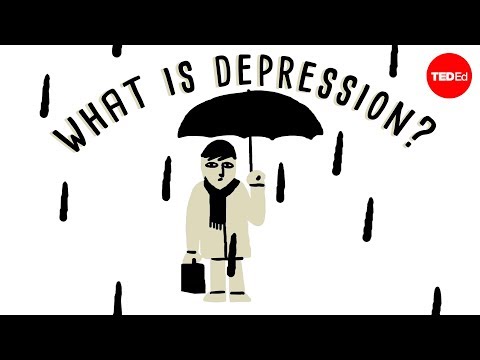
Depression is often described as a dark cloud that lingers over one’s life, affecting not just mood but also everyday functioning. Understanding depression involves more than recognizing feelings of sadness and hopelessness; it’s about grasping how it can transform perception, energy levels, and even physical health. This complex mental health issue doesn’t just impact individuals emotionally; it can also lead to significant disability, limiting the ability to work, socialize, and engage in daily activities.
Imagine a gauge that measures light in your life—depression dims that light. It clouds thoughts, dulls motivation, and can make simple tasks feel monumental. When someone experiences severe depression, the effects can become disabling. Just like an injury restricts physical movement, depression can reduce emotional resilience and cognitive capabilities.
Understanding this connection is vital for navigating both personal experiences and supporting others. It encourages empathy and fosters conversations about mental health, breaking down the stigma surrounding these challenges.
However, it’s important to approach this topic with caution. Depression is nuanced and varies greatly from person to person. The symptoms might not always be obvious or straightforward. Always inform yourself through various specialists—therapists, psychologists, psychiatrists—and reputable media so you can grasp a well-rounded understanding of the disorder and its implications on disability. Recognizing these complexities helps empower both you and those around you in making informed health decisions.
The information provided in this article is intended solely for general informational and educational purposes. It does not constitute medical advice, diagnosis or professional treatment, and should not be considered a substitute for consultation with a qualified doctor or other licensed healthcare professional. Any health-related decisions should be made in consultation with accredited medical professionals.
While efforts have been made to ensure the information is accurate and up to date, no guarantees are given—either express or implied—regarding its accuracy, completeness, currency or suitability. Use of this information is at your own discretion.
It is strongly recommended to consult official sources such as the NHS (National Health Service) or other recognised medical institutions before acting on any information contained on this website or article. Under no circumstances should professional medical advice be ignored or delayed due to content read here.
This content is of a general and informational nature only. It is not intended to replace individualised guidance from a healthcare professional or to establish any doctor-patient relationship. The publication of this information does not imply any professional responsibility, guarantee or obligation on the part of the author or this site.
Unpacking the Silent Struggles Behind Mental Health Challenges
Mental health challenges, especially depression, can be incredibly complex. Many people suffer in silence. The stigma surrounding mental health often prevents open discussions. It’s important to unpack these silent struggles.
Depression is more than just feeling sad; it can profoundly affect daily life. Imagine carrying a heavy backpack everywhere you go. Over time, that weight becomes exhausting and limits your ability to move freely.
Here are some key points about depression:
One significant aspect of depression is its connection to disability. Depression can limit a person’s ability to work or engage in social activities. This isn’t just about feeling low; it affects functionality.
Many may not realize how debilitating depression can be. For some people, tasks like getting out of bed or going grocery shopping may seem impossible on certain days.
Coping strategies play an essential role in managing these challenges:
It’s also crucial to recognize the myths surrounding mental health conditions. Some believe that “depression is just a phase” or “you should just snap out of it.” These ideas oversimplify serious issues.
Many factors contribute to depression, including genetics, environment, and life experiences. Just like we wouldn’t blame someone for having diabetes because it’s complex biology at play, the same applies here.
Understanding the invisible struggles behind depression helps foster compassion and support for those affected by it. Let’s create an environment where talking about mental health is normalized.
Ultimately, being informed empowers us all to make responsible decisions regarding our own well-being and those around us. Remember that reaching out for help is a sign of strength—not weakness.
Understanding the Impact of Depression on Daily Life and Work
Depression is more than just feeling sad. It can deeply affect daily life and work. People with depression often struggle with simple tasks. This can lead to significant challenges in their personal and professional lives.
When someone experiences depression, their mood is not just low; it affects their energy levels and motivation. Imagine trying to run a marathon but feeling like you’re stuck in quicksand. That’s how it can feel for someone with depression.
Daily routines might become overwhelming. Getting out of bed, eating regular meals, or even showering can feel like climbing a mountain. This lack of energy impacts productivity at work too.
In the workplace, depression can lead to absenteeism or reduced performance. It becomes hard to concentrate or make decisions when your mind feels heavy. Colleagues may notice changes, which can strain relationships.
Understanding these effects is crucial. Here are some key points:
Many people don’t realize that depression is linked to disability. For some, it limits the ability to work altogether. Even if they show up physically, being present mentally can be another challenge.
Awareness of this link helps in fostering empathy and support within workplaces. Employers and colleagues should understand that mental health issues do not reflect weakness.
Breaking the stigma around depression is essential as well. People should feel safe discussing their mental health without fear of judgment or repercussions.
Seeking help is important for anyone struggling with depression. Speaking openly about one’s feelings can lead to better understanding and support from others.
Remember, while coping strategies exist—like therapy or medication—they require guidance from professionals who understand mental health better than anyone else.
Educating ourselves about the impact of depression allows us all to create a more supportive environment for those affected by it in life and work settings alike.
Exploring the Connection Between Emotions, Health, and Life Experiences
Emotions and health are closely connected, often influencing one another in significant ways. Our feelings can affect how we experience life and, ultimately, our overall health.
Take depression, for example. It’s more than just feeling sad. It can weigh heavily on daily activities, making even simple tasks seem overwhelming. When someone is dealing with depression, it often leads to a decline in physical health as well.
Here are some key connections between emotions and health:
Life experiences play a big role too. Traumatic events or chronic stress can trigger or worsen depression. Imagine a balloon filled with air; adding more air can cause it to burst if it’s already under pressure.
It’s also crucial to understand that not everyone experiences these connections in the same way. Individual resilience plays a part. Some may bounce back more easily after tough times, while others may struggle longer.
Another important point is that stigma surrounds mental health issues like depression. People might feel ashamed or embarrassed to seek help when they need it most.
Education about these topics can pave the way for better understanding and support for those affected by depression. Spreading awareness can help create environments where people feel safe discussing their emotions without fear of judgement.
In summary, emotions affect our health significantly, especially regarding conditions like depression. Recognizing this connection allows for better conversations about mental well-being and encourages compassionate responses from society as a whole.
By being aware of how emotions influence our lives and health choices, we empower ourselves and others to make informed decisions for better living and wellbeing.
Understanding depression is crucial because it affects not just mental health but overall quality of life. This condition can create significant barriers, leading to what many consider a hidden disability.
Depression often manifests through persistent sadness, loss of interest in activities, and fatigue. These symptoms can be debilitating, affecting one’s ability to work or engage in daily activities. Many people might not recognize how severe depression can impact physical capabilities.
It’s essential to view depression through the lens of disability. Just like a physical injury can hinder movement, depression can impair cognitive and emotional functioning. This impairment may limit social interactions and job performance.
Education is key in managing this condition. Understanding that depression is not a personal failing but a complex interplay of biological, psychological, and social factors helps reduce stigma. Support systems play a vital role in recovery; encouraging open discussions about mental health can create a more empathetic environment for those affected.
Approaching depression with compassion fosters understanding and encourages individuals to seek help without fear of judgment. Ultimately, recognizing the links between depression and disability paves the way for better support and resources for those in need.