The information provided in this article is intended solely for general informational and educational purposes. It does not constitute medical advice, diagnosis or professional treatment, and should not be considered a substitute for consultation with a qualified doctor or other licensed healthcare professional. Any health-related decisions should be made in consultation with accredited medical professionals.
While efforts have been made to ensure the information is accurate and up to date, no guarantees are given—either express or implied—regarding its accuracy, completeness, currency or suitability. Use of this information is at your own discretion.
It is strongly recommended to consult official sources such as the NHS (National Health Service) or other recognised medical institutions before acting on any information contained on this website or article. Under no circumstances should professional medical advice be ignored or delayed due to content read here.
This content is of a general and informational nature only. It is not intended to replace individualised guidance from a healthcare professional or to establish any doctor-patient relationship. The publication of this information does not imply any professional responsibility, guarantee or obligation on the part of the author or this site.
Ever wonder how our genes shape who we are? It’s pretty fascinating. Our DNA, packed into structures called chromosomes, carries all the information that makes us human. But sometimes, things can go a bit off track. That’s where karyotyping comes in.
Karyotyping is like taking a snapshot of our chromosomes. This process helps doctors see if there are any unusual numbers or structures in them. Imagine trying to assemble a puzzle; if a piece is missing or swapped with another one, the picture won’t look right. In similar ways, issues with chromosomes can lead to genetic health problems.
This article dives into what karyotyping is all about and why it matters in understanding genetic health and disease. It’s crucial for identifying conditions that could impact our lives or those of our loved ones.
Just a quick note: although this article provides valuable insights, it doesn’t replace professional medical advice. Always consult a healthcare professional for any health decisions you’re considering.
Understanding the Genetic Insights Behind Pregnancy Loss
Understanding Genetic Insights Behind Pregnancy Loss
Pregnancy loss is a heart-wrenching experience, affecting many people. It can occur for various reasons, and genetics plays a significant role. To really grasp this, let’s break it down.
What is Karyotyping?
Karyotyping is a lab technique used to analyze chromosomes. Chromosomes are like little instruction manuals that tell our bodies how to grow and function. Each human has 46 of these—23 from each parent.
When we perform karyotyping, we check if these chromosomes are normal in number and structure. Imagine sorting books on a shelf; you want every book in the right order. If there’s a mismatch or missing book, it affects how the library functions.
Chromosomal Abnormalities and Pregnancy Loss
Now, chromosomal abnormalities can lead to pregnancy loss. Sometimes an embryo has too many or too few chromosomes—this is called aneuploidy. It’s like trying to build a house with the wrong number of bricks—it can collapse easily.
Aneuploidy is often detected during karyotyping when there’s pregnancy loss, usually in early stages like miscarriage or ectopic pregnancies. In some cases, these genetic issues arise spontaneously; they aren’t necessarily inherited from parents.
The Role of Genetic Factors
You might wonder if genetics always plays a part in pregnancy loss. The answer: not always but often enough to consider. Various factors such as age and health conditions come into play here too.
If one parent carries certain genetic mutations (changes), it might increase the risk of miscarriage as well. Think of it this way—if one book in your collection has confusing instructions, it can mess up others around it!
Understanding Risks Through Karyotyping
Karyotyping doesn’t just help understand why pregnancy loss happens; it also offers insights into potential risks for future pregnancies. For couples who’ve experienced multiple losses, knowing about chromosomal issues can be empowering.
- Karyotyping provides clarity about structural abnormalities that could affect future pregnancies.
- Some couples may decide to pursue further genetic testing based on results from karyotypes.
- This information could guide them toward informed decisions moving forward.
A Broader Perspective on Pregnancy Loss
It’s essential to remember that pregnancy loss isn’t solely about genetics; environmental factors matter too! Lifestyle choices like smoking or alcohol consumption affect outcomes as well.
So while genetics provide valuable insights through methods like karyotyping, understanding the bigger picture is key.
Coping with Emotional Aspects
The emotional impact of pregnancy loss is immense—don’t underestimate that! Sharing experiences and seeking support from friends or professionals can help heal those deep wounds.
Remember: you’re not alone in this journey。
Navigating Forward
If you’re exploring this topic due to personal experiences or curiosity, consider discussing your concerns with healthcare providers who specialize in reproductive health.
They’ll provide further guidance tailored to your needs while ensuring you feel heard and supported throughout the process.
Unraveling the Blueprint of Your Genes
Understanding Karyotyping in Genetic Health and Disease
Hey, let’s talk about karyotyping. It might sound like a complicated term, but it’s actually pretty straightforward. Simply put, karyotyping is a way to take a good look at your chromosomes—the structures that carry your genes.
Every cell in our body has chromosomes. Think of them as the blueprints for how our body is built and operates. Humans have 46 chromosomes in total—23 pairs. If you’ve ever heard of Down syndrome, that’s an example of what happens when there’s an extra chromosome.
What Is a Karyotype?
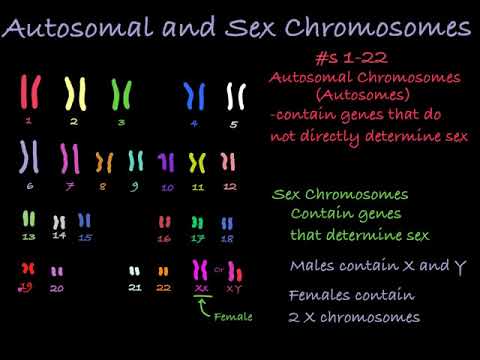
A karyotype is basically a picture of these chromosomes arranged in pairs. Scientists can take this picture by staining cells and then examining them under a microscope—kind of like taking a photo with a really powerful camera.
Each chromosome has a distinct shape and size, which helps in identifying them. By looking at this image, experts can spot abnormalities such as extra or missing chromosomes or even structural changes like breaks or rearrangements within the chromosomes.
Why Is Karyotyping Important?
- Diagnosis: It helps diagnose genetic conditions. For instance, it can confirm if someone has Turner syndrome or Klinefelter syndrome based on their chromosomal makeup.
- Pregnancy Testing: Karyotyping can be performed on amniotic fluid during pregnancy to check for chromosomal abnormalities in the fetus.
- Cancer Research: In cancer studies, karyotyping looks for specific genetic changes that might indicate certain types of tumors or cancers.
You know how we sometimes say that “not all heroes wear capes”? Well, not all genetic abnormalities show signs either! Some people may carry chromosomal issues without any visible symptoms; this is where karyotyping becomes crucial for early detection.
The Process Behind Karyotyping
Karyotyping typically starts with blood samples—usually taken from your arm. The cells are then cultured so they multiply; next up, they’re treated with chemicals to stop cell division when they’re ready to divide (this stage is called metaphase).
This step is key because it allows scientists to see the chromosomes clearly under the microscope. Once they’ve got their image, they cut and paste the chromosome pictures into pairs based on size and shape. Sounds like arts and crafts in science class!
Lifespan Of Genetic Information
Your genes don’t change over time unless there’s been some kind of mutation due to environmental factors or errors during cell division. That being said, understanding these genes helps us grasp various health risks associated with our genetic make-up.
This brings us back full circle—you could think of karyotyping as checking your blueprint before starting construction on your house! Knowing what you’re working with makes all the difference when it comes to building something sturdy and safe for the future.
Caveats And Considerations
- The presence of an abnormality doesn’t always mean illness; sometimes it’s just part of individual variations zone.
- Karyotypes can’t determine everything about your health; they focus mainly on chromosomal issues rather than mutations within specific genes themselves.
- Treatment options vary widely depending on what conditions are discovered through karyotyping—there’s no one-size-fits-all answer here!
Karyotyping offers valuable insights into our genetics without diving too deep into complex molecular biology concepts—like trying to understand all bits behind computers! In essence, it’s about seeing the big picture while also noting significant details that could impact health outcomes down line.
Understanding the Costs of Karyotyping Tests: What You Need to Know
Karyotyping is a lab test that helps identify chromosomal abnormalities. It can reveal genetic disorders and help in prenatal screening. So, if you’re considering this test, you might be wondering about the costs involved.
The price of karyotyping tests can really vary. It often depends on where you live and the healthcare facility you choose. On average, costs might fall between $1,000 and $3,000 for different providers. Your insurance coverage plays a huge role too; some plans may cover most or even all of the expenses.
Factors Influencing Cost
- Location: Prices differ from one city or country to another.
- Facility Type: Academic hospitals might charge differently than private clinics.
- Insurance Coverage: Always check if your plan covers genetic testing; you’ll want to avoid surprises.
- Add-ons: Sometimes tests for additional conditions may increase the cost.
The thing is, before getting a karyotype test, it’s wise to ask about prices upfront. Just as you’d shop around for a good deal on anything else, do the same here. Don’t forget to inquire about potential out-of-pocket expenses based on your insurance plan.
The Process Involved
You can think of karyotyping like getting a photo of someone’s chromosomes. Doctors take cells from your blood or amniotic fluid, then they grow these cells in a lab. After that, they analyze them under a microscope.
This process generally takes about one to two weeks before you get results back. If you’ve got any concerns during this time—like questions about costs—it’s totally okay to reach out for clarification.
Moral Considerations
Certainly, there are ethical considerations surrounding genetic testing as well. Some people worry it could lead to discrimination or stress about potential future health issues. Discussing these concerns with family or friends could offer support and clarity before moving forward with testing.
If you’re looking at different options or types of genetic testing related to karyotyping, keep in mind there are other tests that might be available as well—for example microarray analysis—which could offer more detailed insights but also come with their own cost dynamics.
A Word on Myths
A common misconception is that karyotyping is only necessary if there’s already suspicion of genetic issues in the family. However, even individuals without known risks may benefit from this type of screening for peace of mind or early detection of any issues.
If you’re feeling overwhelmed by it all—that’s totally normal! Genetic health can seem complex with lots of details involved; it’s okay not to have all the answers right away. Taking it step by step really helps!
Understanding Karyotyping in Genetic Health and Disease
Karyotyping is a vital tool in genetic health. Essentially, it’s like looking at an organism’s genetic blueprint. This involves examining the number and structure of chromosomes—those tightly coiled strands of DNA that hold our genes.
A karyotype analysis can show if there are any chromosomal abnormalities. For example, Down syndrome is caused by an extra copy of chromosome 21, also known as trisomy 21. By identifying this during prenatal testing or after birth, healthcare providers can offer appropriate support and resources.
Each human cell typically contains 46 chromosomes, arranged in 23 pairs. But sometimes things don’t go as planned—extra or missing chromosomes can lead to various health issues. You know? Like when you try to bake a cake but miss a key ingredient; the result might not turn out well.
In terms of diagnosing diseases, karyotyping plays a key role. Let’s say someone has unexplained developmental delays or infertility; karyotyping can help pinpoint underlying chromosomal disorders that might be the cause.
However, while karyotyping is powerful, it has its limitations. It can’t detect small changes like gene mutations that might still affect health. This means that sometimes additional testing may be necessary for a full picture.
Understanding karyotyping helps us appreciate the complexity of genetic health. It encourages us to think critically about how our genes contribute to overall wellness and disease susceptibility.
It also raises ethical questions around genetic testing and privacy concerns. Balancing the benefits with careful consideration is what makes this field so intriguing—and so important for future research in genetics.