The information provided in this article is intended solely for general informational and educational purposes. It does not constitute medical advice, diagnosis or professional treatment, and should not be considered a substitute for consultation with a qualified doctor or other licensed healthcare professional. Any health-related decisions should be made in consultation with accredited medical professionals.
While efforts have been made to ensure the information is accurate and up to date, no guarantees are given—either express or implied—regarding its accuracy, completeness, currency or suitability. Use of this information is at your own discretion.
It is strongly recommended to consult official sources such as the NHS (National Health Service) or other recognised medical institutions before acting on any information contained on this website or article. Under no circumstances should professional medical advice be ignored or delayed due to content read here.
This content is of a general and informational nature only. It is not intended to replace individualised guidance from a healthcare professional or to establish any doctor-patient relationship. The publication of this information does not imply any professional responsibility, guarantee or obligation on the part of the author or this site.
Have you ever thought about what happens to all that toilet paper after you flush it away? It’s a bit unsettling, right? Now, imagine if there was a way to cut down on waste while also being gentle on your skin.
Reusable toilet paper is becoming more popular, and for good reason. People are looking for alternatives that are eco-friendly and can save money in the long run. But wait—like with any new trend, it’s important to consider both sides. What are the health benefits? Are there risks involved?
This article breaks down the pros and cons of reusable toilet paper. We’ll look at how it can impact your health, hygiene practices, and even the environment. It’s crucial to get a full picture before making any changes.
Remember though—this content doesn’t replace personalized medical advice. Health decisions shouldn’t solely rely on this article alone; always consult with a healthcare professional for your unique situation.
Exploring the Hygiene Factor of Eco-Friendly Bathroom Choices
Understanding Eco-Friendly Bathroom Choices
When we think of eco-friendly bathroom options, reusable toilet paper often comes up. It’s a topic that raises questions and concerns. Let’s dive into some aspects people consider when exploring this choice.
The Basics of Reusable Toilet Paper
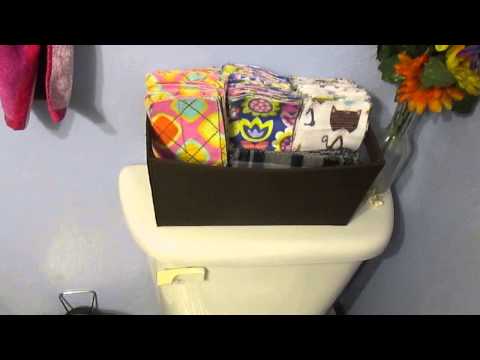
Reusable toilet paper is usually made from soft fabrics, like cotton or bamboo. You simply wash it after use, much like cloth diapers. It sounds simple enough, right? But you might be wondering about hygiene.
Health Pros
- Reduced Chemicals: Reusable toilet paper typically avoids harsh chemicals found in regular toilet paper, which can irritate sensitive skin.
- Less Waste: Using reusable options means reducing the trash piling up from conventional rolls.
- Cost-Effective: It may seem expensive at first, but over time it can save you money on endless rolls of toilet paper.
Health Cons
- Bacteria & Germs: Just like any fabric that absorbs moisture, if not cleaned properly, reusable toilet paper could harbor bacteria. Regular washing is key here!
- Irritation Risks: Some people may find that certain fabrics irritate their skin more than regular toilet paper does.
- Cleansing Method Matters: The way you clean these cloths after use is important to keep things hygienic; hot water and good detergent are necessary.
Cultural Perspectives
Cultural norms around hygiene vary widely. In some cultures, using cloth instead of disposable products is commonplace and widely accepted. That might make it seem less daunting to try out reusable options for others.
Mental Shift!
A mental shift is needed when switching to alternatives like reusable toilet papers. Think about the habits you’ve formed over the years around bathroom routines—it can feel weird to change those up! However changing these habits can lead to a more sustainable approach over time.
The Bottom Line
If you’re considering switching to reusable toilet paper or anything else eco-friendly in your bathroom routine, weigh both pros and cons carefully. Talk with friends or do a little research if you’re still unsure! It might take some trial and error to find what feels right for you while keeping in mind your health and comfort throughout this journey.
Discover the Eco-Friendly Alternatives That Could Change Your Bathroom Routine
Understanding Reusable Toilet Paper
Ever thought about switching to reusable toilet paper? It might sound a bit strange at first, but it’s becoming more popular. The eco-friendly movement is strong, and people are looking for alternatives that help reduce waste.
What is Reusable Toilet Paper?
So, what exactly is it? Reusable toilet paper, sometimes called “family cloth,” consists of soft pieces of fabric that you can use instead of disposable toilet paper. You wash them after use—pretty simple, right?
Health Pros
One upside is that many people find reusable options gentler on their skin than traditional toilet paper. Disposable brands can have chemicals or fragrances that might irritate sensitive skin. Plus, if you choose 100% cotton or bamboo fabric, you minimize exposure to those irritants.
An interesting point is that these fabrics can offer better cleanliness if washed properly. You’re simply using fabric to wipe away waste— which isn’t much different from what a bidet does.
Health Cons
However, it’s not all sunshine and rainbows. Hygiene is crucial here; washing the cloths properly after each use is essential to prevent bacteria buildup. If someone skips washing regularly or doesn’t do it correctly, well, that could lead to some health issues.
You also need to consider the storage situation—where do you keep used cloths until laundry day? Having a plan in place can alleviate concerns about odors or contamination.
Environmental Impact
The environmental benefits are significant too! Traditional toilet paper contributes massively to deforestation and takes a lot of water and energy to produce. Switching could potentially lessen your ecological footprint.
This doesn’t mean reusable toilet paper is perfect; they have an environmental impact too—for instance, washing them also uses water and energy. Yet when compared with the ongoing demand for disposable products the impact seems smaller overall.
The Bottom Line
If you’re curious about making the switch, consider whether reusable options meet your needs and lifestyle first! It’s all about finding what works best for you while keeping an eye on both health and environmental factors.
- Caring for your skin: Go for softer materials like cotton or bamboo。
- Staying clean: Always wash used cloths properly!
- Sustainable choices: Think about how often you’ll be cleaning them; it matters!
Exploring the Eco-Friendly Alternative for Your Bathroom Routine
Understanding Reusable Toilet Paper
Using reusable toilet paper might sound strange to some folks. But really, it’s just cloth that you can wash and use again instead of traditional toilet paper. Think about it: we wash our clothes, right? So why not our bathroom essentials?
First off, let’s talk about the environment. Regular toilet paper contributes to deforestation and waste. By switching to a reusable option, you reduce the number of trees cut down and the waste sent to landfills. Pretty cool, huh?
Health Pros
Many people find that reusable toilet paper is gentler on the skin. Some commercial toilet papers contain chemicals or fragrances that can irritate sensitive areas. Using cloth made from natural fibers like cotton can reduce those irritations.
If you have allergies or skin conditions, this could be even more beneficial for you. Plus, washing your cloth wipes regularly keeps everything clean and hygienic.
Health Cons
On the flip side, there are some concerns worth mentioning. When not washed properly or frequently enough, reusable wipes can harbor bacteria. It’s essential to follow good hygiene practices if you choose this route.
If you’re someone who’s always in a rush or doesn’t have easy access to laundry services, keeping these wipes clean might turn into a hassle.
The Transition
Switching from disposable to reusable is a personal choice and takes some getting used to. You might start by mixing both types—using traditional toilet paper for certain situations while trying out the cloth ones at home.
A Real-Life Example
A friend of mine decided to make the switch last year after learning about waste reduction through sustainable living blogs. She reported feeling more comfortable with her choice after she got into a routine of packing them while traveling and having fewer trash bags full of toilet paper backups at home.
Conclusion
The main thing is to weigh pros against cons carefully before making any change in your bathroom routine. For some people, using reusable toilet paper fits in perfectly with their lifestyles; for others though it might just be too much trouble.
- If you’re interested in trying it out, consider starting small; maybe buy just a few cloths first.
- You can always adjust based on what works for you!
Reusable toilet paper, often referred to as “family cloth,” is gaining attention as an eco-friendly alternative to traditional toilet paper. This concept involves using soft fabric squares instead of disposable paper. While it has its proponents, there are also some serious concerns worth considering.
On the health side, reusable toilet paper can be seen as a more natural option. It eliminates exposure to chemicals often found in commercial toilet papers, like bleaching agents. Also, if properly washed and cared for, it can be quite hygienic. However, the challenge here is ensuring that they are thoroughly cleaned after each use.
The cons are pretty significant too. Imagine potential bacterial contamination if the cloths aren’t cleaned correctly! It’s essential to maintain strict hygiene because any residue could pose a risk of infection or irritation. Plus, some people might find the idea uncomfortable or impractical due to societal norms surrounding bathroom habits.
Cost-wise, there’s definitely an argument for reusables saving money over time compared to continuous purchases of disposable options. Yet initially investing in fabric and washing supplies can feel like a hurdle for many families.
In summary, while reusable toilet paper offers interesting benefits and aligns with sustainable living goals, there’s a clear need for vigilant hygiene practices and personal comfort considerations before making the switch.