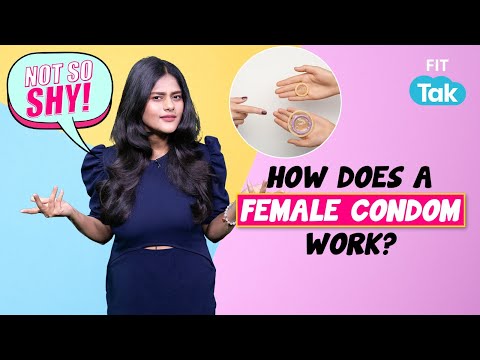
When it comes to safer sex, many people focus on male condoms, but female condoms deserve a spotlight too. This alternative offers a unique approach to sexual health and can empower individuals to take control of their protection. But like any tool, it’s essential to weigh the pros and cons before making a decision.
Female condoms are soft, loose-fitting pouches that can be inserted into the vagina before intercourse. They provide a barrier against sexually transmitted infections (STIs) and unwanted pregnancies, much like their male counterparts. However, they come with their own set of advantages and challenges that might influence your choice.
Here are some key points about female condoms:
The information provided in this article is intended solely for general informational and educational purposes. It does not constitute medical advice, diagnosis or professional treatment, and should not be considered a substitute for consultation with a qualified doctor or other licensed healthcare professional. Any health-related decisions should be made in consultation with accredited medical professionals.
While efforts have been made to ensure the information is accurate and up to date, no guarantees are given—either express or implied—regarding its accuracy, completeness, currency or suitability. Use of this information is at your own discretion.
It is strongly recommended to consult official sources such as the NHS (National Health Service) or other recognised medical institutions before acting on any information contained on this website or article. Under no circumstances should professional medical advice be ignored or delayed due to content read here.
This content is of a general and informational nature only. It is not intended to replace individualised guidance from a healthcare professional or to establish any doctor-patient relationship. The publication of this information does not imply any professional responsibility, guarantee or obligation on the part of the author or this site.
That said, they may not be as widely available or familiar to everyone. Some users might find them tricky to use initially or less appealing due to their size and feel.
Important Note: It’s crucial to inform yourself through multiple sources when exploring options for safer sex. Talk to healthcare providers, read reputable articles, and consider different perspectives. Knowledge is power in protecting your sexual health!
Exploring the Sensations and Experiences of Female Condoms for Women
Exploring the sensations and experiences of female condoms can offer valuable insights into safer sex practices. While many people are familiar with male condoms, female condoms provide a unique alternative, especially for women.
Female condoms are made from a soft, flexible material that lines the vagina. They can also be used during anal intercourse. Many women appreciate having control over their own sexual health.
Using a female condom might feel different than using a male condom. Some women report an increase in sensation due to the way they fit inside the body. Others find it gives them more room for movement during intercourse.
Here are some sensations and experiences to consider:
People’s experiences with female condoms vary widely. What feels right for one person may not work for another. It’s helpful to try different methods to find what’s best.
There’s also an element of empowerment when using female condoms. Women have the option to take charge of their protection, which can lead to a more fulfilling sexual experience.
It’s essential to understand that while female condoms offer benefits, they also come with some challenges. They can be less accessible and sometimes more expensive than male condoms.
When discussing preferences, communication is key. Discussing desires and concerns with partners creates a safe space for making informed choices about contraception.
Overall, exploring the sensations that female condoms provide helps broaden our understanding of safer sex options. Each individual’s experience contributes to shared knowledge about sexual health choices.
Being informed leads to responsible decisions regarding your health and relationships. Always consider trying new methods safely; what suits one person might enrich both partners’ experience in intimate moments.
Unpacking the Myths: The Truth About Female Condom Durability
When it comes to safe sex, many people quickly think about different contraception methods. One option that doesn’t get as much attention is the female condom. There are a lot of myths out there about its durability, so let’s unpack those together.
First, it’s important to understand what a female condom actually is. It’s a pouch made from soft plastic that lines the vagina. It provides a physical barrier against pregnancy and sexually transmitted infections (STIs).
Many believe female condoms break easily or can be difficult to use. However, research shows they are quite durable when used correctly. They can withstand more friction than most people realize.
Common myths include:
In reality, female condoms should only be used once. Using them multiple times is indeed unsafe and ineffective. The concern about tearing usually stems from incorrect usage or lack of lubrication.
Using lubricant can enhance comfort and decrease the chances of tearing. Water-based or silicone-based lubricants are safe choices with female condoms.
It’s also worth noting that studies show when used properly, female condoms provide similar protection against STIs as male condoms do.
Some might worry about feeling awkward or uncomfortable using them. With practice, many find they can be as easy to use as male condoms.
Another factor is accessibility; they aren’t always available in stores like male condoms are. However, many health organizations provide them for free or at low cost.
Understanding these facts can empower individuals with informed choices about their sexual health. Always prioritize communication with partners regarding contraception methods to ensure both comfort and safety.
Remember, being well-informed helps in making responsible decisions for yourself and your partner’s health!
A Closer Look at the Safety of Male and Female Condoms
Condoms are an important tool for safer sex. They help prevent sexually transmitted infections (STIs) and unintended pregnancies. Both male and female condoms have their advantages and disadvantages. Let’s take a closer look.
Male Condoms:
These are the most common type. They’re made of latex, polyisoprene, or polyurethane. Male condoms fit over an erect penis during intercourse.
– Easy to use: They are widely available and typically come with instructions.
– Effective: When used correctly, they can reduce the risk of STIs and pregnancy significantly.
– No hormone side effects: Unlike some other contraceptive methods, male condoms don’t involve hormones.
– Breakage or slippage: Sometimes they can tear or slip off, especially if not used properly.
– Allergies: Some individuals may have a latex allergy, which means they need alternatives like polyurethane or polyisoprene.
Female Condoms:
Female condoms are less common but worth considering. They’re made from nitrile and designed to be inserted into the vagina before intercourse.
– Control: A woman can insert them herself, giving her control over protection.
– Non-latex options: Good for those with latex allergies since they’re usually made from different materials.
– Dual protection: They also help protect against STIs while preventing pregnancy.
– Learning curve: Some may find them tricky to use at first.
– Cost and availability: Female condoms can be more expensive and harder to find than male ones.
Both types of condoms can be effective when used properly. It’s important to follow instructions on how to use them correctly for the best results.
Communication between partners is also key. Discussing which method feels right for both parties can enhance comfort during intimate moments.
Using any condom correctly allows it to work effectively as a barrier against STIs and pregnancy. But remember that no method is 100% foolproof, so combining methods might provide extra safety, like using spermicide along with condoms for added protection against pregnancy.
In conclusion, choosing between male and female condoms comes down to personal preference and comfort level. Both options offer valuable benefits in promoting safer sexual practices without relying on hormonal changes in the body.
Female condoms are an important option for safer sex that deserve careful consideration. They offer unique benefits but also come with certain drawbacks.
Pros of Female Condoms:
Cons of Female Condoms:
In summary, female condoms present a viable alternative for safer sex, promoting both protection and empowerment. Balancing these pros and cons is vital for informed decision-making regarding sexual health options. Encouraging open conversations about all condom types can enhance understanding and acceptance in diverse communities.