The information provided in this article is intended solely for general informational and educational purposes. It does not constitute medical advice, diagnosis or professional treatment, and should not be considered a substitute for consultation with a qualified doctor or other licensed healthcare professional. Any health-related decisions should be made in consultation with accredited medical professionals.
While efforts have been made to ensure the information is accurate and up to date, no guarantees are given—either express or implied—regarding its accuracy, completeness, currency or suitability. Use of this information is at your own discretion.
It is strongly recommended to consult official sources such as the NHS (National Health Service) or other recognised medical institutions before acting on any information contained on this website or article. Under no circumstances should professional medical advice be ignored or delayed due to content read here.
This content is of a general and informational nature only. It is not intended to replace individualised guidance from a healthcare professional or to establish any doctor-patient relationship. The publication of this information does not imply any professional responsibility, guarantee or obligation on the part of the author or this site.
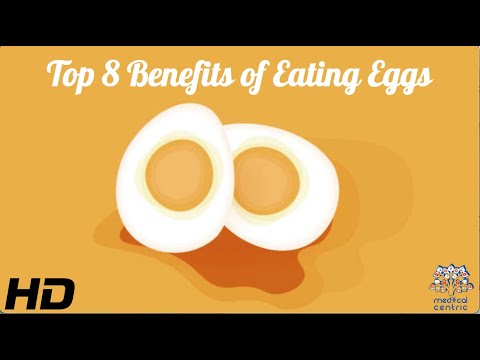
Have you ever thought about what a simple egg can do for your health? It seems like such a humble food, yet people are buzzing about the Egg Diet lately. You might be wondering, is it really effective? Or just another fad that’ll fizzle out?
The thing is, eggs are packed with protein and nutrients. Some folks swear by them for weight loss or better health. But before you jump on the bandwagon, there’s a lot to consider.
This article will break down the pros and cons of the Egg Diet. We’ll explore how it works, what benefits you might see, and some potential downsides too. Plus, we’ll touch on how to incorporate eggs into your meals in a balanced way.
Remember though, navigating diet trends can be tricky. This isn’t medical advice; health decisions should not rely solely on what you read here. Always chat with a healthcare professional before making any big changes to your eating habits.
Your journey to better health starts with understanding! So let’s delve into the details together.
Transform Your Health and Energy with a Simple Two-Week Meal Plan
Understanding the Egg Diet
The Egg Diet is a high-protein, low-carb eating plan that focuses largely on, you guessed it, eggs. This diet typically lasts for two weeks and often includes additional foods like lean meats and some vegetables. Sounds simple enough, right?
What are the Potential Pros?
One of the main benefits people talk about is weight loss. The protein in eggs can help you feel full longer. That’s important if you’re trying to eat fewer calories.
Eggs are also a good source of essential nutrients. They contain vitamins like B12 and minerals such as selenium. These are necessary for overall health.
Another plus? Eggs are very easy to prepare! You can boil, scramble, or even fry them quickly. This simplicity might make meal prep less stressful for busy folks.
Now, What About the Cons?
But it’s not all sunshine and rainbows! One big concern is cholesterol. Eggs do have high levels of dietary cholesterol which may affect heart health in some people.
A strict egg diet might lead to nutritional deficiencies if it’s not balanced well. If you’re only eating eggs and a few other foods, where will your fiber come from? You know what I mean?
Also, this diet can get pretty monotonous. Eating eggs every day might be fine for a short time but long-term? Not so much.
Cautions to Keep in Mind
If you have certain health conditions—like diabetes or high cholesterol—it’s wise to consult with someone who knows their stuff before starting this diet. It’s important to take personal health into account when making changes.
The thing is, no one diet works for everyone. Some people thrive on higher protein diets while others might not feel great on them at all.
A Balanced Approach
- Diversity is key: Instead of sticking strictly to eggs, consider including other nutrient-dense foods like whole grains or fruits.
- S listening to your body: If something doesn’t feel right—a common sign that it’s time to reassess your choices!
- Pacing yourself: Maybe try incorporating more egg-based meals into your diet gradually rather than jumping straight into two weeks of just eggs.
Your Takeaway
The Egg Diet may offer some short-term benefits but isn’t necessarily the be-all-end-all solution for everyone looking to transform their health and energy levels. Making informed decisions based on individual needs will always be more helpful than following trends blindly!
Transform Your Body with a Simple and Delicious Egg-Based Approach
Understanding the Egg Diet
The egg diet has gained some popularity lately. It’s simple: you focus on eating eggs, often alongside some vegetables and a few other foods. It’s pretty straightforward, but there are things to consider.
What are the Pros?
- Nutrient-Rich: Eggs are packed with protein, vitamins, and minerals. They’re good for muscle health and keeping you full.
- Easy to Prepare: Cooking eggs is usually quick. You can boil, scramble, or fry them in no time.
- Low in Carbs: The diet typically involves fewer carbs which can help if you’re looking to reduce your intake.
The Cons of the Egg Diet
- Boredom: Eating mainly eggs can get dull fast. Variety is key for long-term success.
- Nutritional Imbalance: Relying too heavily on one food might lead to missing out on essential nutrients from other food groups.
- Cholesterol Concerns: Eggs do have cholesterol, so it’s worth considering how many you eat if that’s an issue for you.
What Should You Know?
The egg diet isn’t a one-size-fits-all solution. Some people may find it works well for them while others might struggle with its restrictions. Always be mindful of how your body reacts to any new eating plan.
If you’re thinking about trying it out, mix in some veggies or whole grains when possible. That’s where you’d get more fiber and other vital nutrients that eggs alone can’t provide.
A Real-Life Example
You might know someone who swears by the egg diet—they feel energized and love the simplicity of it. But remember, their experience could be different from yours! Everyone has unique needs when it comes to diet.
A Balanced Viewpoint
Ponder this: diets shouldn’t be about restriction but rather about finding what makes us feel our best. It’s helpful to think critically about what we’re eating and how it fits into our lifestyle. Consider talking with someone who knows nutrition well if unsure!
In short, the egg-based approach has its ups and downs like any diet out there. Finding balance is crucial; the key lies not just in one food but in a colorful plate overall!
Unlock Rapid Weight Loss with the Simple Power of Boiled Eggs
Understanding the Egg Diet
The egg diet is pretty simple. It mainly features boiled eggs as a staple part of your meals. The idea is that eggs are high in protein and kinda low in calories. This combination can help you feel full while eating less, which sounds nice, right?
But here’s the deal: this diet usually restricts other food groups a lot. You might be eating just eggs, some veggies, and maybe a bit of fruit. That’s it! It could lead to rapid weight loss because you’re cutting back on calories.
Pros of the Egg Diet
- High Protein: Eggs are packed with protein, which can support muscle maintenance while losing weight.
- Simplicity: It’s easy to prepare boiled eggs, so there’s less stress about meal planning.
- Feeling Full: Many people find that high-protein diets help them feel satisfied longer.
Cons of the Egg Diet
- Nutrient Deficiency: Relying mostly on eggs means missing out on vitamins and minerals from other foods.
- Boredom: Eating the same thing repeatedly can be really dull. You might end up craving other flavors!
- Sustainability: Long-term adherence could be tough for many people. Eventually, most will want more variety in their meals.
The Role of Eggs in Your Diet
You know, eggs have some health benefits too. They’re rich in important nutrients like vitamin D and choline. But it’s worth noting that they’re also high in cholesterol. Some folks worry about that when it comes to heart health.
If you’re considering an egg diet or any restrictive eating plan, it’s crucial to think about balance. Eating a variety of foods ensures you get all the nutrients your body needs to work well.
Tuning into Your Body’s Signals
If you feel great while trying out boiled eggs for breakfast or lunch once in a while, that’s awesome! But remember that everyone is different—what works for one person may not work for another.
Your body will let you know if it’s missing something or if a particular diet isn’t working for you anymore. So listen closely!
A Final Thought
Egg Diet: Pros, Cons, and What You Should Know for Health
The egg diet has gained a lot of attention lately. It’s a high-protein, low-carb plan that emphasizes eggs as the main food source. It can be intriguing, but let’s break down the pros and cons.
Pros
- High Protein Content: Eggs are packed with protein. This helps with muscle maintenance and can keep you feeling full longer.
- Nutrient-Dense: They’re rich in vitamins like B12 and minerals like selenium. Just one egg can provide essential nutrients that support overall health.
- Simplicity: The diet is straightforward. If you enjoy eggs, meal preparation becomes pretty easy.
Cons
- Potential for Boredom: Eating mainly eggs can get old fast. Variety is key for long-term adherence to any diet.
- Nutrient Imbalance: Relying too heavily on one food could lead to deficiencies in other vital nutrients found in fruits and vegetables.
- Heart Health Concerns: Some studies suggest high egg consumption may affect cholesterol levels negatively in certain individuals. It’s important to consult with a professional if you have pre-existing conditions.
You know it’s crucial to consider whether this diet suits your lifestyle or health goals. Moderation is key here—eggs can absolutely be part of a balanced diet but shouldn’t be the only star of the show. Think about mixing them with veggies or whole grains for a more rounded approach!
If you’re curious about trying an egg-centric meal plan, make sure to listen to your body and keep an open line of communication with healthcare providers. After all, nutrition should feel good, not restrictive!