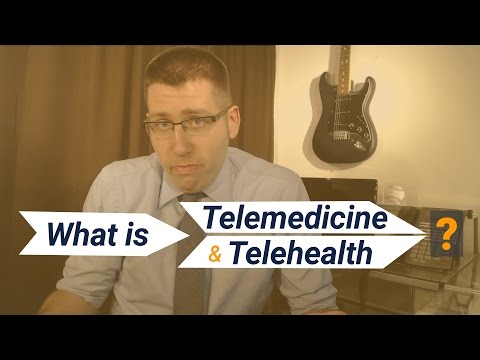
In today’s fast-paced world, health care is evolving to meet our needs in innovative ways. One of the most remarkable advancements is **telemedicine**. This concept allows you to connect with healthcare providers from the comfort of your home using technology. Imagine being able to consult a doctor without stepping outside; that’s the power of telehealth.
Telemedicine typically involves virtual appointments using video calls, phone consultations, or even messaging platforms. It bridges distances and can save time, making healthcare more accessible for everyone.
How does it work? When you schedule a telehealth appointment, you’ll either log into a secure platform or use an app designed for virtual visits. You’ll have a discussion about your health concerns just like you would in person. The provider can then offer advice, prescribe medications, or recommend further testing if needed.
However, it’s vital to approach telemedicine with an informed mindset. Each platform and provider may have different capabilities and limitations. Not all health issues are suitable for remote consultations. Always ensure you’re consulting reliable sources and specialists who understand your unique needs.
Before diving into telemedicine, do your homework! Speak with different healthcare professionals, read various articles, and explore trustworthy websites. Knowledge is empowering—so take your time to learn about this growing field before making health decisions through telehealth channels.
The information provided in this article is intended solely for general informational and educational purposes. It does not constitute medical advice, diagnosis or professional treatment, and should not be considered a substitute for consultation with a qualified doctor or other licensed healthcare professional. Any health-related decisions should be made in consultation with accredited medical professionals.
While efforts have been made to ensure the information is accurate and up to date, no guarantees are given—either express or implied—regarding its accuracy, completeness, currency or suitability. Use of this information is at your own discretion.
It is strongly recommended to consult official sources such as the NHS (National Health Service) or other recognised medical institutions before acting on any information contained on this website or article. Under no circumstances should professional medical advice be ignored or delayed due to content read here.
This content is of a general and informational nature only. It is not intended to replace individualised guidance from a healthcare professional or to establish any doctor-patient relationship. The publication of this information does not imply any professional responsibility, guarantee or obligation on the part of the author or this site.
Unlocking the Benefits of Remote Healthcare Access
Remote healthcare access has become a game changer in the way we approach medical care. It allows patients to connect with healthcare providers from the comfort of their home, which can be particularly helpful for those with mobility issues or living in remote areas.
Telemedicine is a big part of this shift. It usually involves consultations through video calls, phone calls, or even messaging. This means you can talk to a healthcare provider without needing to drive to an office.
Here are some key benefits of remote healthcare access:
One great analogy is thinking of telemedicine as a bridge. This bridge connects you directly to the help you need without any obstacles in between.
Another important aspect is that telehealth isn’t just about virtual doctor visits. It includes tools like remote monitoring and health apps that track your vitals. These tools keep your healthcare team informed about your status over time.
However, it’s also essential to recognize its limitations. Not all conditions can be diagnosed or treated remotely. Some situations still require in-person visits and tests.
One frequent myth is that telehealth is less effective than traditional care. While it may feel different, studies show many people receive good care through remote methods.
It’s always good practice to have an open dialogue with your provider about what works best for you—whether that’s using telemedicine or seeing them in person.
Overall, unlocking the benefits of remote healthcare access means embracing new ways of receiving care while ensuring it fits into our lives more seamlessly than ever before. Always stay informed and make thoughtful decisions about your health!
Unlocking Healthcare from Anywhere: A Simple Guide to Telemedicine Essentials
Telemedicine is reshaping how we approach healthcare. It allows patients to connect with healthcare providers without needing to visit an office physically. Imagine being able to check in with a doctor while lounging on your couch!
What is Telemedicine?
Telemedicine refers to the practice of delivering medical care remotely. This can include video calls, phone consultations, or messaging platforms. You can discuss symptoms, ask questions, and even get prescriptions—all from your home.
How Does Telehealth Work?
Here’s a simple breakdown of the process:
The Benefits of Telehealth
There are several advantages to using telemedicine:
Cautions and Considerations
While telemedicine has many benefits, it’s not for every situation. Some medical issues require physical exams or tests that can’t be done online. Always use your best judgment when deciding if a virtual visit is suitable for your needs.
Mental Health Services
Teletherapy is another big part of telehealth. It allows people to speak with mental health professionals over video calls or chat. This can help reduce stigma and make support more accessible.
In conclusion, telemedicine opens up new doors for healthcare access but always evaluate if it fits your health needs. It’s crucial to remain informed about how these services work and what they can offer you! Always seek professional advice when needed—telehealth is here to help but shouldn’t replace traditional care when it’s necessary.
Exploring the Most Popular Way to Connect with Healthcare Remotely
Telemedicine is becoming a popular way to connect with healthcare providers without leaving your home. It lets you consult with professionals through video calls, phone chats, or even messaging. This is really helpful for people who may not have easy access to healthcare facilities.
So, how does telehealth work? First, you’ll need a device like a smartphone or a computer. With internet access, you can reach out to your healthcare provider’s office and schedule an appointment. Some platforms may require you to create an account first.
Here are some key features of telemedicine:
One big advantage of telemedicine is convenience. You save travel time and can often see a provider sooner than if you were going in person. This is especially valuable for follow-up visits or minor illnesses.
However, it’s important to know that telehealth isn’t suitable for every situation. Emergency cases still need in-person visits where immediate care is required.
Some might wonder about privacy when using these services. Reputable telehealth platforms prioritize patient confidentiality and follow strict guidelines to keep your information safe.
But don’t forget: Always confirm that the provider you’re seeing remotely is qualified and licensed in your area.
In summary, telemedicine offers an innovative way for patients and providers to connect effectively while saving time and resources. It opens doors but should complement traditional healthcare rather than replace it completely. Always consider what’s best for your individual health needs when choosing between telehealth or in-person visits.
Telemedicine and telehealth represent a significant evolution in how healthcare is delivered. With advancements in technology, patients can now access medical care from the comfort of their homes. Understanding these concepts is essential for both patients and providers.
Telemedicine typically refers to remote clinical services. Patients can consult with healthcare professionals through video calls or phone chats, similar to having a conversation face-to-face. This approach breaks down barriers like distance and mobility challenges.
On the other hand, telehealth encompasses a broader range of services beyond direct patient care. This includes health education, remote monitoring, and wellness programs. Think of telehealth as the entire ecosystem supporting health management, while telemedicine is focused specifically on diagnosis and treatment.
Both systems have proven effective. They reduce wait times and expand access to specialists who may not be available locally. Moreover, they are invaluable during situations like pandemics when in-person visits pose risks.
It’s important to remember that while telemedicine is convenient, it isn’t suitable for every situation. Certain conditions require physical exams or diagnostic testing that can only happen in person.
Additionally, some people may feel unsure about using technology for healthcare. It’s crucial to ensure proper training and support so everyone can benefit from these services confidently.
In conclusion, understanding how telemedicine and telehealth work empowers individuals to make informed choices about their health care. Embracing these tools can lead to better outcomes and enhanced accessibility in our ever-evolving healthcare landscape.