The information provided in this article is intended solely for general informational and educational purposes. It does not constitute medical advice, diagnosis or professional treatment, and should not be considered a substitute for consultation with a qualified doctor or other licensed healthcare professional. Any health-related decisions should be made in consultation with accredited medical professionals.
While efforts have been made to ensure the information is accurate and up to date, no guarantees are given—either express or implied—regarding its accuracy, completeness, currency or suitability. Use of this information is at your own discretion.
It is strongly recommended to consult official sources such as the NHS (National Health Service) or other recognised medical institutions before acting on any information contained on this website or article. Under no circumstances should professional medical advice be ignored or delayed due to content read here.
This content is of a general and informational nature only. It is not intended to replace individualised guidance from a healthcare professional or to establish any doctor-patient relationship. The publication of this information does not imply any professional responsibility, guarantee or obligation on the part of the author or this site.
Have you ever sat down and wondered what makes you fit? Or maybe noticed how different exercises affect your body? It’s not just about running or lifting weights. There’s more to fitness than meets the eye.
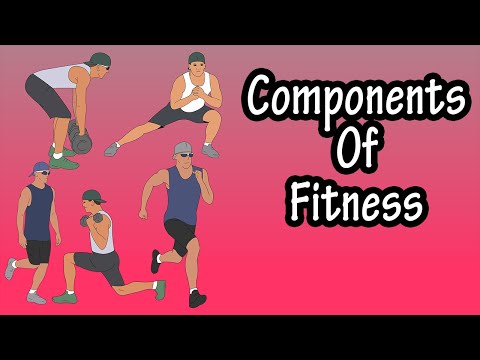
Understanding the five essential health-related components of fitness can help you gain clarity on your health journey. These components are like the building blocks of a strong, healthy lifestyle. They include cardiovascular endurance, muscular strength, muscular endurance, flexibility, and body composition. Sounds complicated? Don’t worry; we’ll break it down together.
This knowledge isn’t just for athletes or fitness buffs. It matters to everyone—whether you’re looking to feel more energetic during your day-to-day activities or just want to maintain a balanced life. You see, when you grasp these components, you can tailor your workout routine and improve your overall well-being.
Remember, though, this article doesn’t replace medical advice. Always consult a healthcare professional before making any big changes to your fitness routine or health goals.
Uncover the Essentials of a Well-Rounded Fitness Routine
Understanding the 5 Essential Health-Related Components of Fitness
When you think about fitness, it’s not just about looking good or lifting heavy weights. It’s also about keeping your body healthy and functioning well. There are five essential components of fitness that everyone should understand: cardiovascular endurance, muscular strength, muscular endurance, flexibility, and body composition. Let’s break these down.
Cardiovascular Endurance
This is all about how well your heart and lungs work together during exercise. Think of it like the engine in a car; if it’s strong, the car runs smoothly for longer periods. Activities like running, swimming, or cycling boost this endurance. Ever notice how you can go longer distances without getting tired? That’s cardiovascular endurance at play!
Muscular Strength
Muscular strength is the ability of your muscles to exert force. Imagine trying to open a jar lid; if you have strong muscles, it’ll be easier! Weightlifting and resistance training can help build this aspect of fitness. You know when you feel like you’ve leveled up after carrying groceries in one trip? That’s muscular strength kicking in.
Muscular Endurance
This is different from muscular strength—it’s all about how long your muscles can perform a certain activity before getting tired. Picture yourself doing push-ups; after several repetitions, you might start feeling fatigue! Exercises like planks or circuit training can improve this component.
Flexibility
Flexibility refers to the range of motion in your joints and muscles. A rubber band is flexible—when you stretch it, it bends without breaking. Similarly, being flexible keeps your body agile and helps prevent injuries. Stretching exercises or yoga are great ways to increase flexibility.
Body Composition
This involves understanding the ratio of fat to muscle in your body. It’s not just about weight on a scale but rather understanding what that weight consists of! A balance between fat and lean mass is important for overall health—think of a balanced diet as fuel for this stability.
The Big Picture
A well-rounded fitness routine incorporates all these components! Maybe you’ve seen people who focus solely on cardio but neglect strength training; they may miss out on building muscle that supports their endurance efforts.
- Diversity: Including various exercises helps keep you engaged and ensures you’re working on all aspects of fitness.
- Your Needs: Everyone’s body is different; some might prioritize strength over flexibility based on lifestyle needs.
- Sustainability: Find activities that you love so you’ll stick to them long-term!
A routine should feel balanced and fulfilling—just like cooking a good meal involves mixing flavors for an enjoyable feast! You don’t need to be perfect; just aim for consistency across these elements over time.
If you’re starting out or making changes to your workout regimen remember that small steps count too!. Whether it’s taking the stairs instead of an elevator or doing stretches while watching TV—every little bit adds up!
This whole idea isn’t just about hitting gym goals; it’s really more than that—it’s creating a lifestyle where moving feels natural and beneficial. So take it one day at a time!
Unlocking Your Path to a Healthier Lifestyle: Mastering the Essentials of Fitness
Understanding the 5 Essential Health-Related Components of Fitness
Getting fit isn’t just about hitting the gym. It’s about understanding a few key components that contribute to overall health. Think of these as building blocks for a healthier lifestyle. Let’s break them down.
1. Cardiovascular Endurance
This is all about your heart and lungs working efficiently together. You know when you go for a run or even a brisk walk? If you can keep going without feeling totally wiped out, that’s good cardiovascular endurance at play.
Imagine your heart as a pump. The stronger it is, the better it pumps blood to fuel your muscles during activities. Activities like running, swimming, or cycling are fantastic for boosting this component.
2. Muscular Strength
Muscular strength is the amount of force your muscles can produce in one go. Think of it as how much weight you can lift at once. That doesn’t mean you need to lift heavy weights right away; even bodyweight exercises like push-ups and squats count!
If you can carry groceries without straining much, you’ve got some good muscular strength going on! It’s important for daily tasks and also helps prevent injuries.
3. Muscular Endurance
This one’s about how long your muscles can keep working before getting tired. Say you’re doing sit-ups; if you can do more than ten without stopping, that shows good muscular endurance.
Like when you’re dancing at a party or playing with kids—you don’t get tired right away! Building this takes regular practice over time.
4. Flexibility
Flexibility refers to how far your joints can move through their range of motion. Ever tried to touch your toes? If so, yeah—this is flexibility! It helps you perform tasks without straining yourself and reduces injury risk.
A simple way to improve flexibility is through stretching—so don’t skip those warm-up sessions!
5. Body Composition
This relates to the ratio of fat to lean mass in your body, such as muscles and bones. It gives insight into overall health—it isn’t just about looking slim but being healthy inside-out too.
- A balanced diet plays a huge role here.
- You might focus on whole foods rather than processed ones.
- Regular exercise also influences body composition positively over time.
The Balance Between Components
The thing is each component affects the others in some way—strength impacts endurance, and cardio impacts both muscular strength and endurance too! Imagine them like pieces of a puzzle; they fit together to create an overall picture of health.
If you’re looking at improving any one area, remember it’ll likely affect others as well—and that’s pretty cool!
Taking Steps Towards Your Fitness Goals
No need for perfection here! Start small: aim for short activities or workouts throughout the week that target these components individually or collectively.
- You could walk briskly on weekdays while adding strength training twice weekly —easy does it!
- Add in stretching after workouts for flexibility —don’t forget those muscle groups!
Your Fitness Journey Is Unique
// Don’t forget everyone has their own path when it comes to fitness.
// What works wonders for someone else might not make sense for you—and that’s perfectly fine.
Exploring the Deep Connections Between Physical, Mental, Emotional, Social, and Spiritual Well-being
Understanding the Interconnections of Well-Being
Hey, have you ever thought about how all parts of our health work together? It’s kind of like a puzzle. There are five main pieces that fit into the picture: physical, mental, emotional, social, and spiritual well-being. Let’s break it down.
Physical Well-Being
This one is fairly straightforward. Physical well-being includes things like exercise, nutrition, and sleep. You know how when you eat well and get enough rest, you feel more energetic? That’s your body thanking you!
Mental Well-Being
Mental well-being relates to how we think and perceive the world. It includes things like focus, memory, and decision-making abilities. Just think about it—when you’re stressed or anxious, it can be hard to concentrate on even simple tasks.
Emotional Well-Being
Emotional well-being is about recognizing and managing feelings. Sometimes we might feel happy or sad without even knowing why! Being in touch with our emotions helps us understand ourselves better.
Social Well-Being
This component focuses on our relationships with others. Humans are social creatures; we thrive on connection! Having a strong support system—friends or family—can really boost our mood and overall sense of belonging.
Spiritual Well-Being
You don’t need to be religious to have spiritual well-being! It can relate to your values or purpose in life. Think about what gives your life meaning—whether it’s spending time in nature or helping others.
The Connection between Components
The cool thing is that these components don’t exist in isolation—they influence each other all the time. For example, if you’re physically active (let’s say going for jog) it can lighten your mood too! Or when you’re feeling connected socially through friends, it might also improve your mental clarity.
- Physical activity: boosts mood by releasing endorphins.
- A good diet: enhances mental focus in daily tasks.
- Sparking conversations: reduces feelings of loneliness and anxiety.
- A strong sense of purpose: encourages healthier lifestyle choices.
Cultivating Balance
If one piece of the puzzle isn’t quite right, the whole picture can be affected. So it makes sense to pay attention to each component regularly! Maybe schedule some “me” time for yourself by taking a walk or practicing mindfulness to feel more centered; find what works for you!
The journey towards holistic health is ongoing—it takes time and effort—but focusing on these interconnections can lead us toward a happier and more fulfilling life. Remember that every little step counts!
Understanding the 5 Essential Health-Related Components of Fitness
Fitness isn’t just about going for a run or lifting weights. It encompasses several elements, each playing a critical role in our overall health. The five essential health-related components of fitness are cardiovascular endurance, muscular strength, muscular endurance, flexibility, and body composition.
Cardiovascular Endurance
This refers to the heart and lungs’ ability to supply oxygen during sustained physical activity. Think about it like this: when you take a brisk walk or jog, those organs work together to keep you moving efficiently. Activities like running or swimming can improve this aspect of fitness significantly.
Muscular Strength
Muscular strength is all about how much force your muscles can exert. Picture trying to lift heavy groceries; if your strength is good, it feels more manageable. Strength training exercises like weightlifting help build this component and make daily tasks easier.
Muscular Endurance
This differs from strength; it’s your muscles’ ability to perform repeated actions over time without fatigue. If you’ve ever done multiple push-ups in one go, you’ve experienced muscular endurance in action! As you train longer with lighter weights or bodyweight exercises, this aspect gets stronger.
Flexibility
Flexibility is the range of motion in your joints and muscles. Ever tried stretching before yoga? That’s flexibility at play! Good flexibility can prevent injuries and improve physical performance and balance.
Body Composition
This component looks at the ratio of fat to lean mass (think muscle and bone) in the body. It’s not just about how much you weigh but what makes up that weight. Healthy body composition impacts overall well-being significantly—maintaining a balanced diet plays a big role here.
The interplay between these components shows us that fitness isn’t one-dimensional—it’s comprehensive! Each part affects the others; improving one often enhances another too. Regularly engaging in activities that target all five areas can lead to better health outcomes over time.
Ultimately, understanding these components empowers us to take charge of our fitness journey with clarity—and that’s something worth pursuing!