The information provided in this article is intended solely for general informational and educational purposes. It does not constitute medical advice, diagnosis or professional treatment, and should not be considered a substitute for consultation with a qualified doctor or other licensed healthcare professional. Any health-related decisions should be made in consultation with accredited medical professionals.
While efforts have been made to ensure the information is accurate and up to date, no guarantees are given—either express or implied—regarding its accuracy, completeness, currency or suitability. Use of this information is at your own discretion.
It is strongly recommended to consult official sources such as the NHS (National Health Service) or other recognised medical institutions before acting on any information contained on this website or article. Under no circumstances should professional medical advice be ignored or delayed due to content read here.
This content is of a general and informational nature only. It is not intended to replace individualised guidance from a healthcare professional or to establish any doctor-patient relationship. The publication of this information does not imply any professional responsibility, guarantee or obligation on the part of the author or this site.
Have you ever thought about what protects your brain? It’s pretty incredible, right? The cranium, or skull, isn’t just a hard shell. It plays multiple essential roles that go beyond safeguarding your brain.
This article dives into the fascinating world of the cranium. We’ll explore its structure, functions, and why it matters for your overall health. You might be surprised to learn how much this bony framework impacts not just physical protection but also vital processes like breathing and hearing.
Understanding the cranium can give you a new perspective on how our bodies work. It’s not just about looking good—it’s about ensuring everything inside is functioning properly. Think of it as the supportive castle protecting an important treasure—your brain!
While we aim to provide valuable information here, it doesn’t replace professional medical advice. Always consult with a healthcare professional before making any health decisions based on what you read. Let’s get started and uncover the wonders of your cranium together!
Exploring the Surprising Roles That Protect and Support Our Brain
The Cranium: A Solid Protector
The cranium is like your brain’s hard hat. It consists of several bones that form a protective shell around the brain. This bony fortress helps shield your brain from injuries caused by falls or impacts. Think of it as a strong case for a valuable piece of equipment.
Functions Beyond Protection
But the cranium does more than just protect. It also provides structure and shape to the head, which is important for overall body balance and function. Without this structure, our features would be all over the place!
A Home for Your Brain
Inside this protective shell, blood vessels and membranes called meninges surround the brain, offering additional cushioning. They help keep everything stable and maintain a healthy environment, sort of like an air-conditioned room for your computer.
The Role of Cerebrospinal Fluid
Now let’s talk about cerebrospinal fluid (CSF). It’s like having an extra buffer zone around your brain. CSF helps absorb shocks from sudden movements or impacts—imagine airbags in a car! It also feeds nutrients to the brain and removes waste products.
A Natural Conducting System
This fluid plays a key role in conducting signals between the brain and different body parts. When you feel something with your fingers, it’s CSF helping transmit that information back to your noggin!
Your Skull: More Than Meets The Eye
Even though we often think of our skull as just bones protecting the brain, it has sensory organs too! For instance, eye sockets allow us to see while nasal cavaties help us smell.
Blood Supply Is Crucial
A rich supply of blood vessels runs through and around the skull—this supports healthy functioning by delivering oxygen and nutrients to the brain tissues. If these blood vessels are compromised due to injury or health issues, it can lead to serious problems.
Caring For Your Brain Health
You know what? Caring for your cranial area is pretty essential if you want a healthy mind! Protecting your head during activities like sports or biking with helmets is one way. Staying active helps keep blood flow optimal too.
- Eat balanced meals rich in fruits and vegetables.
- Avoid smoking and excessive alcohol consumption; both aren’t friendy to brain health.
- Get enough sleep; it’s important for cognitive functions!
- Engage in mentally stimulating activities—like puzzles or reading!
The surprising roles of our cranium go far beyond mere protection—they create an environment where our brains can thrive! So next time you think about head safety, remember its many functions that support overall well-being.
Exploring the Intricate Framework of Our Faces
Understanding the Cranium and Facial Structure
The human face is more than just a pretty sight. It’s a complex structure that plays several crucial roles in our health and well-being. You might not think about it often, but the bones in our face and skull, known as the cranium, do important work.
What’s Inside the Cranium?
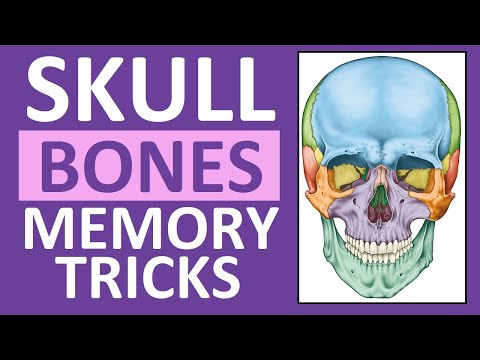
The cranium contains several bones that make up the protective case around your brain. These bones are like a hard shell, keeping your most vital organ safe from injury. For example, the frontal bone forms your forehead while the occipital bone is at the back of your head.
Each bone in this area supports different functions. Your jawbone, or mandible, helps you chew food and talk. Without it, eating would be tough!
Facial Bones: More Than Meets The Eye
There are also fourteen bones making up your face. They provide structure and shape but have more roles too! Take your cheekbones or zygomatic bones; they help define your facial appearance but also house parts of our sinuses.
- Nasal Bones: These support your nose and aid in respiration.
- Lacrimal Bones: Small bones that help with tear drainage.
- Maxilla: This forms your upper jaw—vital for chewing!
The Sinuses: Unseen Helpers
You may be familiar with sinuses when you get a cold or allergy flare-up. But did you know they’re also very important? Sinuses are air-filled spaces within some facial bones. They reduce weight on our skulls and give our voices resonance—kind of like amplifiers!
If something goes wrong here, like an infection (sinusitis), it can cause headaches or pressure—it’s no fun! Healthy sinuses significantly affect how we breathe and feel overall.
The Role of Muscles
Your facial muscles connect to these cranial bones providing movement for expressions like smiles or frowns. Isn’t that fascinating? It’s how we communicate emotions non-verbally!
Protective Functions
The cranium also functions as a barrier against infections entering the brain from cuts on your face or even dental issues. This protective role is essential for maintaining health.
Mental Health Connection
A well-balanced structure makes for good aesthetics which can boost self-esteem, don’t you think? We often associate beauty with confidence—a good reason to appreciate our facial framework!
Caring for Your Face and Cranium
Your facial health impacts everything from breathing to expression to confidence. Proper dental care keeps those jawbones strong; regular check-ups can prevent issues before they become significant problems.
- Nourishment: Eating healthy foods strengthens bone density and promotes healing.
- Avoid Excess Sugar: It leads to dental decay which can impact surrounding structures.
- Sunscreen: Protects skin from damage which affects underlying tissues!
Taking care of yourself isn’t just about diet or exercise; it’s also about respecting this intricate framework we possess! Next time you look in a mirror, remember all that’s happening beneath the surface is vital—for health as much as beauty.
Unearthing the Secrets Behind Our Head’s Protective Structure
Understanding the Cranium: Our Head’s Protective Structure
The cranium, or skull, is an incredible structure. It’s not just there to look pretty; it serves multiple important functions. Think of it as a hard helmet that protects your brain from injuries.
What is the Cranium Made Of?
The skull is made up of 22 bones that are fused together. These bones create a robust shield for your brain. The largest part is called the cranium itself, which houses and protects the brain.
Protection Comes First
One of the main jobs of the cranium is to protect your brain from blows and impacts. Imagine riding a bicycle without a helmet—your head would be quite vulnerable! The skull acts as a barrier against falls or bumps.
Shape and Design Matter
The shape of the skull isn’t random; it’s designed for both strength and function. The rounded shape helps distribute force evenly when there’s an impact, reducing the risk of fractures.
Cavities for Comfort
Did you know there are spaces inside the skull? These are called sinuses, and they help lighten the weight of your head. They also help in making your voice sound clearer when you talk.
The Importance of Sutures
You can’t see them directly, but sutures—those jagged lines where bones meet—play a big role too. They may seem simple, but they allow some flexibility in young kids’ heads as they grow. This helps accommodate their rapidly growing brains!
Connecting with Sensory Organs
The cranium isn’t just for protection; it also connects various sensory organs. Eyes, ears, nose—all these vital parts have entry points in or around the skull. This way, information from our surroundings reaches our brain quickly.
Facial Features Matter
Besides housing our brain, other parts of the skull form our facial features like cheekbones and jawline. These contribute to how we express emotions—you can smile or frown easily because of this structure!
Sustaining Brain Health
The health of our cranium directly affects our overall well-being. Factors like nutrition play a role here too; think about how strong bones need calcium! Just another reason to eat well.
A Healthy Skull Equals A Healthy Brain?
Your cranial health supports cognitive function and mental well-being considerably! Regular check-ups can help catch any potential issues before they become serious problems.
Wrapping It Up!
The cranium is more than just bone; it’s a dynamic protective fortress for your brain while also shaping who you are physically and emotionally. Understanding its functions helps us appreciate this remarkable part of our anatomy even more!
Understanding the cranium is crucial for grasping how our bodies function, especially regarding health. The cranium, which is the part of the skull that houses and protects the brain, has several key roles.
First and foremost, it acts as a shield. Think of it like a helmet. This bony structure protects our brain from injuries. Whether it’s a bump on the head or a fall, having this protective casing is vital.
Next, let’s talk about support. The cranium provides a framework for our face and supports various muscles used in jaw movement and expressions. When we chew or talk, it’s the cranium that helps anchor everything in place.
The connections within the cranium are equally important. Inside it are sutures—like tiny stitches—that hold different parts together while still allowing for growth during childhood. This flexibility is essential for developing brains.
Moreover, cranial nerves emerge from this area too. These nerves control sensation in our face and help with functions like smell, vision, and hearing. Damage to these nerves can lead to significant health issues.
A healthy cranial structure influences overall well-being too. Issues such as craniosynostosis—when sutures close too early—can cause developmental delays or cognitive challenges if not addressed timely.
In reflecting on these aspects, it’s clear that understanding the cranium goes beyond anatomy; it relates closely to health outcomes at various stages of life. Ongoing research into cranial health can pave the way for better treatment options in neurology and rehabilitation fields.