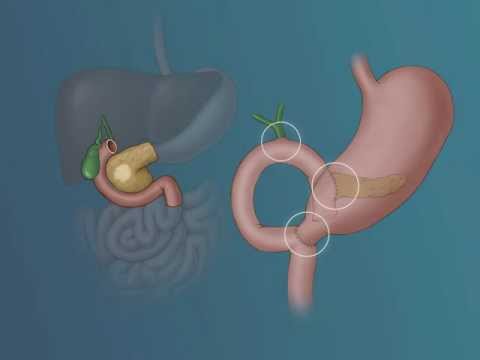
The Whipple procedure, or pancreaticoduodenectomy, is a complex surgical operation used primarily to treat pancreatic cancer. Imagine a chef working meticulously in the kitchen, skillfully navigating through ingredients to create a perfect dish. Just like that chef combines essential elements, this surgery combines intricate techniques to remove parts of the pancreas, duodenum (the first part of the small intestine), gallbladder, and bile duct. It’s not just about removing cancer; it’s about preserving as much function and quality of life as possible.
The outcomes of the Whipple procedure can vary widely. Success rates often depend on factors such as the stage of cancer when diagnosed and the overall health of the patient. Many patients experience significant improvements in symptoms and sometimes even prolonged survival. However, like every surgical intervention, there are risks involved.
It’s essential to approach this subject with curiosity but also caution. While research can provide insights into success rates and potential benefits, each person’s situation is unique. Consulting various specialists and seeking diverse sources of information will offer a clearer picture tailored to individual health needs. Remember: understanding your options thoroughly is key before making any health decisions regarding complex procedures like the Whipple surgery. Informed choices empower you on your healthcare journey.
The information provided in this article is intended solely for general informational and educational purposes. It does not constitute medical advice, diagnosis or professional treatment, and should not be considered a substitute for consultation with a qualified doctor or other licensed healthcare professional. Any health-related decisions should be made in consultation with accredited medical professionals.
While efforts have been made to ensure the information is accurate and up to date, no guarantees are given—either express or implied—regarding its accuracy, completeness, currency or suitability. Use of this information is at your own discretion.
It is strongly recommended to consult official sources such as the NHS (National Health Service) or other recognised medical institutions before acting on any information contained on this website or article. Under no circumstances should professional medical advice be ignored or delayed due to content read here.
This content is of a general and informational nature only. It is not intended to replace individualised guidance from a healthcare professional or to establish any doctor-patient relationship. The publication of this information does not imply any professional responsibility, guarantee or obligation on the part of the author or this site.
Exploring the Success Rates of a Complex Surgical Journey
The Whipple procedure, also known as pancreaticoduodenectomy, is a complex surgery often used to treat diseases of the pancreas. Most commonly, it’s performed for pancreatic cancer. This surgery can feel daunting due to its complexity and potential risks. Understanding the success rates and outcomes is essential for anyone considering it.
Success rates for the Whipple procedure can vary based on several factors. These include the patient’s overall health, age, and the stage of disease at diagnosis. Generally, success is measured in different ways: survival rates, complication rates, and quality of life post-surgery.
Survival Rates: One key aspect to consider is long-term survival after the surgery. Studies show that around 20% to 40% of patients survive five years or more after the operation. Of course, this number can change depending on individual circumstances.
Complication Rates: Like any major surgery, there are risks involved with the Whipple procedure. Common complications may include infections, bleeding, or issues with digestion post-surgery. Reports suggest that complication rates can be between 30% to 50%, but many patients recover well with proper management.
Quality of Life: Beyond survival numbers and complications lies an important consideration: quality of life after surgery. Many patients report significant improvements in symptoms related to their conditions once they recover from surgery.
It’s also vital to note that skilled surgical teams play an important role in outcomes. High-volume centers where surgeons frequently perform this procedure tend to have better results than lower-volume places.
Many people have questions about their future after a Whipple procedure—what daily life will look like and how they will cope with any changes in digestion or nutrition.
Things to discuss before surgery could include:
Ultimately, understanding these success rates can help provide clarity on what lies ahead if undergoing a Whipple procedure.
Bear in mind that every case is unique; speaking openly with healthcare providers about goals and concerns will nurture informed decisions along this surgical journey. Remember that knowledge empowers you during this complex process!
Understanding Outcomes and Recovery After Whipple Surgery
Understanding Whipple Surgery can be quite complex. It’s important to recognize that this surgery is often performed to treat conditions like pancreatic cancer or certain pancreatic disorders.
The procedure involves removing a part of the pancreas, the duodenum, part of the bile duct, and sometimes a portion of the stomach. After this surgery, recovery and outcomes can vary significantly among patients.
Outcomes after Whipple Surgery largely depend on several factors. These include the patient’s overall health, age, and the reason for surgery. While many people do well post-surgery, it’s not without risks and complications.
A common question is about success rates. Research shows that around 20% to 40% of patients survive for five years or more after this procedure. However, these numbers can differ widely based on individual circumstances.
Recovery can take time and usually involves a hospital stay followed by weeks or months of healing at home.
It’s also worth noting that some patients may experience long-term effects like diabetes or malnutrition due to changes in digestion. Eating smaller meals more frequently can help manage these issues.
Misperceptions about Whipple Surgery abound. Some believe it’s a last resort with no hope afterwards, but that’s not entirely true. Many patients go on to live fulfilling lives post-surgery with proper care and lifestyle adjustments.
If you’re facing this situation, engaging in open dialogue with healthcare providers is vital. They can offer insights tailored specifically for your health status.
In summary, understanding outcomes after Whipple Surgery requires careful consideration of individual health factors and ongoing support during recovery. It’s essential to approach this journey with realistic expectations while staying informed about your options along the way.
Exploring Recovery and Wellness Beyond the Surgery
Recovering from the Whipple procedure, which is a major surgery often performed for pancreatic issues, requires careful attention. It’s not just about the operation itself; recovery and wellness are ongoing journeys.
After surgery, your body needs time to heal. This can take weeks or even months. During this period, it’s important to listen to your body and rest when needed. Just like a garden needs nurturing after planting, your body needs care during recovery.
Nutrition plays a crucial role in healing. Many patients find they have changes in appetite or digestion after surgery. It’s helpful to focus on small, nutritious meals rather than forcing large quantities of food at once.
Physical activity is also key in your recovery journey. Gentle movements like walking can help improve circulation and reduce fatigue. Think of it as getting back on a bike after a fall—it may feel challenging at first but becomes easier over time.
Mental health is often overlooked but equally important during recovery. Facing surgery and its aftermath can be stressful and emotional. Engaging in relaxing activities like reading or meditation can provide comfort.
Connecting with others who have gone through similar experiences can also be beneficial. Support groups offer encouragement and shared insights that are invaluable during this time.
As you navigate this journey, remember that everyone’s experience is unique. What works for one person might not work for another, so it’s important to find what feels right for you.
Monitor how you’re feeling both physically and emotionally throughout recovery. Keep an eye out for any signs such as increased pain or unexpected changes in digestion, and discuss these with your healthcare team if necessary.
In summary, recovery from the Whipple procedure goes beyond just physical healing—it involves nurturing both body and mind. Focus on nutrition, gentle activity, and mental well-being as part of your path forward. This holistic approach can greatly enhance your overall wellness as you move beyond surgery into everyday life again.
The Whipple procedure, or pancreaticoduodenectomy, is a complex surgical operation primarily used for pancreatic cancer but also for other conditions affecting the pancreas, bile duct, and duodenum. Its outcomes and success rates can vary significantly based on several factors, including the patient’s overall health, the tumor’s location and size, and the surgeon’s experience.
Success rates for the Whipple procedure generally range from 20% to 40% in long-term survival for cancer patients, depending on various studies. While this may seem low, it’s important to consider that this surgery aims not only to remove tumors but also to alleviate symptoms and improve quality of life.
The risks associated with the procedure include complications like infections or digestive issues. Understanding these risks is crucial for patients. Pre-operative assessments are vital; they help gauge whether a patient is fit for surgery and what potential challenges may arise.
Insights gained from ongoing research emphasize the importance of multidisciplinary approaches in treatment planning. Careful evaluation before surgery can help optimize outcomes significantly.
In summary, while the Whipple procedure is a significant undertaking with varying success rates, it offers hope to many facing serious pancreatic disorders. A thorough discussion with healthcare providers allows patients to weigh their options thoughtfully and make informed decisions regarding their treatment path.