
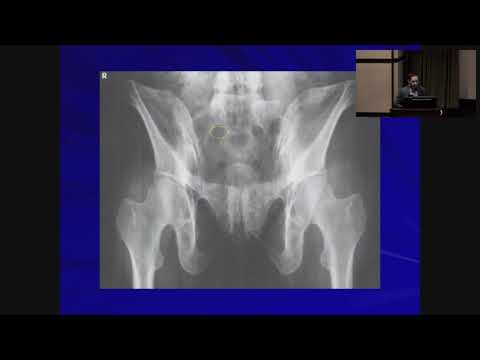
When you think about X-rays, you might picture a snapshot of bones. But did you know that an X-ray of the pelvis can reveal much more? This imaging technique helps doctors examine the pelvis for any signs of injury, infection, or disease. It’s like a treasure hunt where hidden clues about your health are waiting to be uncovered.
During an X-ray of the pelvis, your body is positioned carefully to capture clear images. The process is quick and generally painless, similar to standing still for a photo. While the images are useful for diagnosing various conditions, it’s essential to understand what happens during the procedure and any associated risks.
Key points about your X-ray experience:
The information provided in this article is intended solely for general informational and educational purposes. It does not constitute medical advice, diagnosis or professional treatment, and should not be considered a substitute for consultation with a qualified doctor or other licensed healthcare professional. Any health-related decisions should be made in consultation with accredited medical professionals.
While efforts have been made to ensure the information is accurate and up to date, no guarantees are given—either express or implied—regarding its accuracy, completeness, currency or suitability. Use of this information is at your own discretion.
It is strongly recommended to consult official sources such as the NHS (National Health Service) or other recognised medical institutions before acting on any information contained on this website or article. Under no circumstances should professional medical advice be ignored or delayed due to content read here.
This content is of a general and informational nature only. It is not intended to replace individualised guidance from a healthcare professional or to establish any doctor-patient relationship. The publication of this information does not imply any professional responsibility, guarantee or obligation on the part of the author or this site.
Despite its benefits, it’s important to acknowledge some potential risks. Exposure to radiation, although minimal in diagnostic imaging like X-rays, should not be taken lightly. It’s wise to consider whether the test is truly necessary and discuss alternatives with your healthcare provider.
Always approach health decisions with curiosity and caution. Gathering information from various specialists and reliable sources can empower you. Remember that every medical procedure has its pros and cons; asking questions can help ensure you make informed choices about your health journey. Be proactive in seeking knowledge; it’s one of the best ways to take control of your well-being!
Uncovering the Hidden Dangers Behind Everyday Imaging
Imaging techniques like X-rays are crucial in modern medicine. They help diagnose conditions, guide treatment, and monitor progress. A common type is the pelvic X-ray, often used to examine bones and detect fractures.
However, it’s important to understand that there are some hidden dangers related to these procedures.
First, let’s talk about radiation. Every time you have an X-ray, you’re exposed to a small amount of ionizing radiation. This type of radiation can potentially damage your cells over time. While the risk from a single X-ray is low, repeated exposures can accumulate and may increase the likelihood of long-term health issues.
Key points to remember:
For pregnant individuals, special considerations apply. The developing fetus is more sensitive to radiation. If you’re pregnant or think you might be, inform your healthcare provider before the test.
Many people also worry about overdiagnosis due to imaging tests. Sometimes, X-rays can reveal small findings that aren’t necessarily harmful but may lead to additional tests or treatments that aren’t needed.
Consider these facts:
Communication is key when it comes to imaging procedures. Ask your healthcare provider why a specific test is recommended. Understanding the benefits versus risks helps you make informed choices.
Your health decisions should be a partnership. Always feel empowered to ask questions about any procedure you’re considering. A well-informed patient plays an active role in their healthcare journey.
Lastly, consider alternatives when appropriate. Options like ultrasound or MRI may provide necessary information without exposing you to radiation.
In conclusion, while pelvic X-rays are valuable tools in diagnosing medical conditions, it’s essential to weigh the potential risks carefully. Always prioritize open conversations with your healthcare team regarding any concerns or questions about imaging options available to you.
Uncovering the Hidden Impacts of Diagnostic Imaging
Diagnostic imaging, like X-rays, plays a key role in modern medicine. These techniques help visualize what’s happening inside our bodies. When it comes to an X-ray of the pelvis, understanding both its purpose and potential risks is important.
Pelvic X-rays are often used to assess bones and joints. This includes looking for fractures or signs of arthritis. They can also help diagnose issues related to organs in that area, like the bladder or reproductive organs.
While X-rays are useful, they come with some hidden impacts. One major concern is radiation exposure. The amount of radiation from an X-ray is relatively low compared to other imaging methods, but it still exists. Repeated exposure could accumulate over time.
It’s essential to understand:
Another factor is the stress related to waiting for results. Uncertainty can cause anxiety for many people. It’s perfectly normal to feel anxious during this time.
Sometimes, there might be findings that lead to unnecessary follow-up tests or treatments. This phenomenon is known as “overdiagnosis,” where something harmless is treated as if it’s serious.
Keeping these points in mind:
Informed decisions lead to better health outcomes. Being aware of both the benefits and hidden impacts of diagnostic imaging can empower you during your medical journey.
Remember, every medical procedure has its pros and cons. It’s crucial to have open conversations with healthcare professionals regarding any procedures you may need. The more informed you are, the better choices you’ll make for your health and wellbeing.
Uncovering the Hidden Risks of X-ray Imaging
X-ray imaging is a common tool used in medicine. It helps to view bones and tissues inside the body. Yet, there are some hidden risks associated with X-rays, especially when it comes to pelvic X-rays.
When you undergo an X-ray, your body is exposed to a small dose of radiation. This radiation can be harmful in large amounts. However, the doses from standard X-rays are usually low. It’s important to keep this in mind when considering the benefits and risks.
Here are some key points to think about:
The benefits of getting necessary diagnostic images often outweigh these risks. Still, it’s vital to ask questions and have open discussions with your healthcare provider about any concerns you might have.
Many people wonder how often they really need these tests. Each situation is unique. Your medical history and symptoms will guide this decision. Frequent imaging might not always be needed.
Myths about X-rays are common too. Some believe that any exposure is harmful or that one should avoid all radiological tests at all costs. In reality, the medical community weighs the potential benefits against these risks carefully.
In summary, while pelvic X-rays can provide essential information for diagnosing issues, being aware of their hidden risks allows for informed decisions. Always feel empowered to discuss any hesitations or questions with your healthcare team—they’re there to help you navigate through it all safely!
Understanding an X-ray of the pelvis is crucial for both patients and healthcare providers. This diagnostic tool helps visualize the pelvic bones, joints, and surrounding structures. It plays a vital role in diagnosing fractures, dislocations, or signs of conditions like arthritis.
When preparing for an X-ray, patients should expect to follow specific guidelines. It’s typically a quick process, lasting only a few minutes. You’ll usually need to change into a gown and remove any metal objects that could interfere with the images.
However, it’s important to discuss potential risks associated with X-rays. While they are generally safe, they do involve exposure to radiation. The amount is usually minimal and considered acceptable when weighed against the benefits of accurate diagnosis. Still, it’s wise to inform your healthcare provider if you have had multiple recent imaging studies.
Some misconceptions persist about the dangers of X-rays; many people fear that even a single exposure could lead to significant health issues. In reality, modern X-ray technology minimizes risks significantly.
Awareness is key. Always ask questions if you’re uncertain about any aspect of the procedure or its implications for your health. This dialogue fosters informed decision-making and encourages responsible health practices.
In summary, while X-rays are essential tools in medical diagnostics with associated risks like any procedure involving radiation, their contribution to understanding pelvic health cannot be overstated. Approach these conversations with an open mind and seek clarity whenever needed; it’s your health journey after all.

