
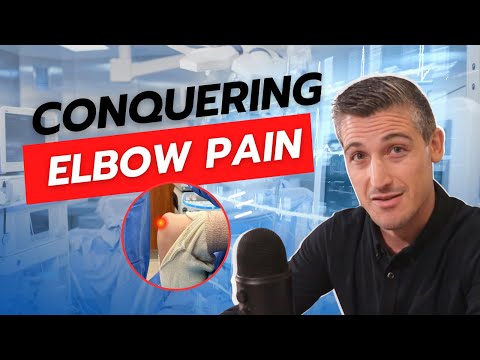
Have you ever noticed a swelling at the back of your elbow and wondered what it could be? This often happens due to a condition called olecranon bursitis. It’s not just a fancy term; it’s a common issue that can affect anyone, from athletes to those who may just rest their elbows on hard surfaces for too long.
Olecranon bursitis occurs when the bursa, a small fluid-filled sac that acts like a cushion between bones and soft tissues, becomes inflamed. Imagine the bursa as a small pillow that helps reduce friction. When it’s irritated, that pillow swells up, leading to discomfort and sometimes pain.
Understanding this condition can help you take better care of your elbows and overall joint health. As we explore the causes, symptoms, and treatment options available for olecranon bursitis, keep in mind that everyone’s experience is unique.
However, it’s essential to approach health information with caution. Always seek advice from qualified healthcare professionals and consult multiple sources before making decisions about your health. Different specialists may provide insights based on their expertise. Stay curious but also critical—this will empower you on your journey towards well-being!
The information provided in this article is intended solely for general informational and educational purposes. It does not constitute medical advice, diagnosis or professional treatment, and should not be considered a substitute for consultation with a qualified doctor or other licensed healthcare professional. Any health-related decisions should be made in consultation with accredited medical professionals.
While efforts have been made to ensure the information is accurate and up to date, no guarantees are given—either express or implied—regarding its accuracy, completeness, currency or suitability. Use of this information is at your own discretion.
It is strongly recommended to consult official sources such as the NHS (National Health Service) or other recognised medical institutions before acting on any information contained on this website or article. Under no circumstances should professional medical advice be ignored or delayed due to content read here.
This content is of a general and informational nature only. It is not intended to replace individualised guidance from a healthcare professional or to establish any doctor-patient relationship. The publication of this information does not imply any professional responsibility, guarantee or obligation on the part of the author or this site.
Understanding the Causes and Symptoms of Elbow Discomfort
Elbow discomfort can be frustrating and impact daily activities. One common reason for this pain is olecranon bursitis, which involves inflammation of a small fluid-filled sac at the elbow.
But first, understand where the elbow is. The elbow connects your upper arm to your forearm, helping you bend and straighten your arm. Bursae are tiny pads that reduce friction between bones and soft tissues.
So, what causes olecranon bursitis? Here are a few common culprits:
Symptoms of olecranon bursitis typically include:
It’s important not to ignore these signs. Chronic inflammation can lead to further complications if untreated.
Many people think bursitis only affects athletes or those who lift heavy objects. However, it’s more widespread than that! Even simple activities like resting on hard surfaces can contribute.
If you’re experiencing symptoms, consider adjusting your habits. Try using cushions when leaning on surfaces and take breaks during repetitive tasks.
Remember, every body is different. Consult with a healthcare professional if you’re uncertain about symptoms or how to manage them effectively. Understanding what’s happening with your body is key to making informed health choices!
Mastering the Art of Identifying Olecranon Bursitis in Clinical Practice
Olecranon bursitis is a condition causing swelling in the elbow. The olecranon bursa is a small, fluid-filled sac located at the tip of your elbow. Its main job is to reduce friction between bones and soft tissues.
When this bursa becomes inflamed, it can lead to visible swelling. This is often caused by injury, repetitive movements, or even infections. It’s like having a water balloon that’s been filled too much—it puffs up and gets uncomfortable.
To identify olecranon bursitis, pay attention to a few key signs:
One common misconception is that all elbow swelling means surgery is needed. Most cases can be treated with rest and ice. Using compression can also help reduce swelling.
In some situations, identification may involve imaging tests like X-rays or ultrasound. These tools help rule out other issues like fractures or arthritis.
Understanding olecranon bursitis means knowing how lifestyle plays a role too. Activities involving frequent elbow movement—like plumbing or painting—can increase your risk.
Prevention includes knowing when to take breaks during repetitive tasks. Ergonomic tools can also make a difference by reducing strain on your elbows.
If symptoms persist despite conservative treatment, consulting with a healthcare provider may be necessary. They will guide you through additional options and ensure proper recovery.
Overall, mastering identification of olecranon bursitis relies on recognizing specific signs and understanding contributing factors in daily life. It’s about being aware of what your body tells you!
Spotting the Warning Signs You Shouldn’t Ignore
Olecranon bursitis, often referred to as “student’s elbow,” is a condition affecting the elbow joint. It occurs when the bursa, a small fluid-filled sac that cushions your bones and soft tissues, becomes inflamed.
Understanding the warning signs can help you identify when to seek attention. Here are some symptoms of olecranon bursitis you shouldn’t ignore:
Now let’s consider what each of these symptoms might mean.
The swelling is like having too much water in a balloon; it stretches out and changes shape. A swollen bursa signifies irritation or injury.
Pain is another signal that something isn’t right. Unlike the usual aches from overuse, if pain disrupts your daily activities or sleep, it’s time to pay attention.
Heat and redness are body signals—similar to how a fever indicates infection. When an area is warm and red, it’s often a sign that your immune system is working hard to fight off invaders.
Ignoring these signs can lead to worse complications. Chronic bursitis may develop into more severe conditions if left untreated.
If you’re noticing these symptoms, it’s wise to assess how they affect your life. Think about your daily routine and any activities that seem harder than usual due to discomfort.
Always consult with someone knowledgeable about what you’re experiencing. This could be a trusted friend or family member who encourages you to seek help if needed.
Maintaining awareness of our bodies is key. Just like you’d check oil levels in a car before driving far, keeping track of changes in your health helps ensure you’re running smoothly too.
In summary, don’t overlook warning signs like swelling, pain, heat, and redness around your elbow. They could indicate olecranon bursitis or another problem needing attention. Your body communicates—listening closely can lead you toward informed choices for better health.
Understanding olecranon bursitis is essential for recognizing one of the common causes of elbow swelling. The olecranon bursa is a small, fluid-filled sac located at the tip of the elbow. Its primary role is to cushion the bone during movement and reduce friction.
When this bursa becomes inflamed, typically due to repetitive trauma, infection, or underlying conditions like arthritis, it can swell significantly. This condition often manifests as a noticeable lump on the back of the elbow and may be accompanied by pain or limited range of motion.
Diagnosing olecranon bursitis involves a careful assessment of symptoms and history, often complemented by imaging studies if necessary. Treatment usually focuses on reducing inflammation and may include rest, ice application, compression, or anti-inflammatory medications. In some cases, aspiration of excess fluid may be required.
Educating individuals about this condition can lead to early intervention and more effective management strategies. Understanding that not all swollen elbows indicate serious issues helps alleviate unnecessary anxiety while encouraging proactive health choices. Ultimately, knowledge empowered by empathy fosters better outcomes for those affected by olecranon bursitis.


